
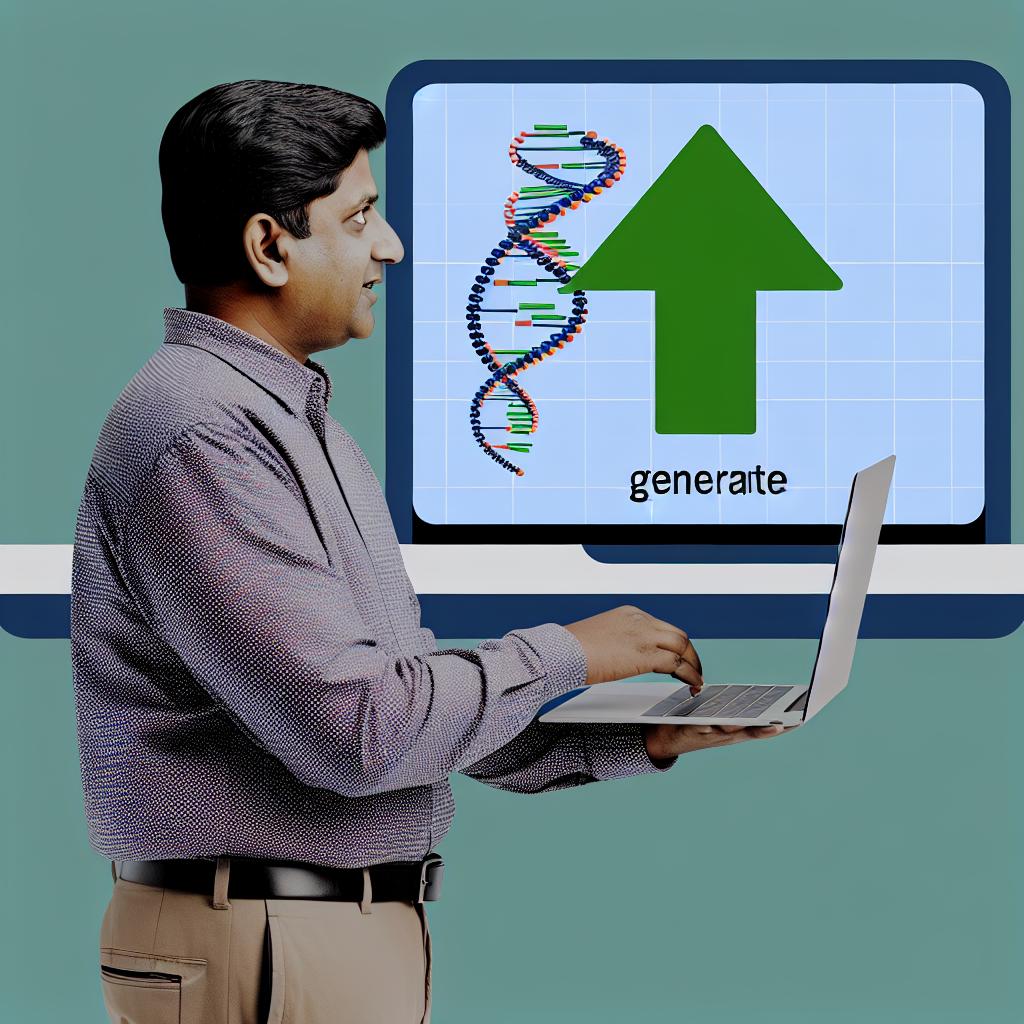

Introduction to Genomics Software and Its Role in Personalized Medicine
The Evolution of Genomics Software
Genomics software has rapidly transformed healthcare in recent years.
Leading companies such as GeneVista and HelixWave develop innovative tools for genetic analysis.
These tools decode human DNA quickly and accurately.
As a result, clinicians gain deeper insights into patient health at the molecular level.
This evolution supports more precise and personalized medical approaches.
Enhancing Personalized Medicine with Genomics Tools
Personalized medicine tailors treatment plans to individual genetic profiles.
For example, PrecisionBio Health uses genomics software to customize cancer therapies.
Such customization improves drug efficacy and reduces adverse effects.
Moreover, software algorithms analyze genetic variants linked to diseases.
Consequently, doctors can predict disease risks and intervene earlier.
Key Features of Modern Genomics Software
Genomics platforms combine large data processing with user-friendly interfaces.
They offer features like variant calling, genome annotation, and pathway analysis.
Advanced software integrates clinical data with genomic findings seamlessly.
Furthermore, cloud-based solutions enable collaborative research across institutions.
This interoperability accelerates discoveries and treatment developments.
Influence of Genomics Software on Patient Outcomes and Healthcare
Genomics software empowers physicians to make informed treatment decisions.
Patients benefit from therapies tailored to their unique genetic makeup.
Additionally, precision medicine reduces trial-and-error prescribing.
This reduction minimizes side effects and shortens recovery times.
Ultimately, genomics-driven care improves overall patient prognosis and quality of life.
Key Technologies and Algorithms in Genomics Software for Tailored Treatments
Data Acquisition and Processing Technologies
High-throughput sequencing technologies generate vast genomic datasets efficiently.
Illumina and Oxford Nanopore are prominent platforms delivering detailed DNA sequences.
Next, bioinformatics pipelines preprocess and clean raw genomic data for analysis.
Companies like Helix Biotech develop software to handle complex sequencing workflows.
Moreover, secure cloud storage solutions enable easy access and sharing of genomic information.
Machine Learning Algorithms for Genomic Interpretation
Machine learning algorithms identify patterns within massive genomic datasets.
Supervised learning models link genetic variants to disease outcomes effectively.
Unsupervised clustering groups similar genomic profiles to discover novel subtypes.
Deep neural networks enhance accuracy in predicting treatment responses.
For instance, Genomic Insight Labs applies these algorithms to customize cancer therapies.
Variant Calling and Annotation Techniques
Variant calling algorithms pinpoint genetic mutations responsible for diseases.
Tools like GATK and FreeBayes efficiently detect single nucleotide variants and indels.
Annotation software such as ANNOVAR assigns biological meaning to detected variants.
Furthermore, ClinVar databases provide clinical significance to genomic alterations.
These combined methods allow precise identification of actionable genetic markers.
Pharmacogenomics Integration
Pharmacogenomics software links genetic profiles with drug metabolism data.
This integration guides personalized medication selection and dosage adjustment.
Algorithms predict adverse drug reactions based on unique genetic variants.
Providers like MedGene Analytics specialize in developing such pharmacogenomic platforms.
Consequently, patients receive safer and more effective treatment plans.
Visualization and Decision Support Engines
Interactive visualization tools display complex genetic information intuitively.
These platforms incorporate decision support systems aiding clinicians in therapy choices.
Graph-based visualizations highlight gene interactions related to patient conditions.
Additionally, user-friendly dashboards streamline interpretation of genomic results.
PrecisionCare Technologies offers integrated solutions combining visualization with AI-based recommendations.
Data Acquisition and Integration from Genomic Sequencing Platforms
Sources of Genomic Data
Genomic sequencing platforms generate vast amounts of data daily.
Illumina, Pacific Biosciences, and Oxford Nanopore Technologies lead the industry.
Each platform offers unique sequencing methods and data formats.
Consequently, software must support multiple data types for integration.
Furthermore, researchers obtain data from clinical and research sequencing labs.
Methods of Data Acquisition
Data acquisition begins with extracting raw sequencing output files.
FASTQ and BAM files form the primary inputs in most workflows.
Technicians use automated pipelines to transfer data securely.
Cloud storage solutions like GenomicCloud simplify data accessibility and sharing.
Additionally, institutions employ APIs to streamline data ingestion.
Challenges in Data Integration
Integrating data from divergent platforms encounters format compatibility issues.
Sequencing errors and variable read lengths add complexity.
Also, incomplete metadata can hinder reliable downstream analysis.
Aside from raw data, phenotype and clinical information require harmonization.
Moreover, data privacy regulations mandate strict handling protocols.
Strategies for Effective Integration
Standardizing data formats improves interoperability across platforms.
Tools like SAMtools and GATK assist in data cleaning and alignment.
Bioinformatics experts develop pipelines to automate integration steps.
To ensure quality, cross-validation with reference datasets is essential.
Cloud-based platforms facilitate scalable integration and processing.
Importance of Accurate Data Integration
Accurate integration enables comprehensive variant calling and annotation.
It supports clinicians in formulating tailored treatment plans.
Real-time data access accelerates decision-making in clinical settings.
Furthermore, integrated datasets drive innovative research discoveries.
Ultimately, precise data handling enhances patient outcomes and supports precision medicine.
Find Out More: Biometric Authentication in Health Apps for Secure Access
Analyzing Genetic Variants to Identify Actionable Targets for Treatment
Understanding Genetic Variants
Genetic variants represent differences in DNA sequences among individuals.
They can affect how patients respond to treatments.
Therefore, analyzing these variations helps tailor personalized therapies.
Moreover, identifying relevant variants provides insights into disease mechanisms.
The Role of Genomics Software
Genomics software enables rapid and accurate analysis of large genetic datasets.
It integrates sequencing data with clinical information to identify actionable targets.
Additionally, the software applies algorithms to prioritize variants linked to treatment responses.
For example, tools like GeneVista and HelixPath specialize in variant interpretation.
Steps to Identify Actionable Targets
First, sequencing data is collected from patient samples.
Then, bioinformatics pipelines process the data to detect variants.
Next, databases are queried to classify variants by clinical significance.
Consequently, doctors can pinpoint targets amenable to existing therapies.
Benefits of Variant Analysis in Treatment Planning
Improves drug selection based on individual genetic profiles.
Reduces adverse drug reactions through targeted therapy.
Identifies new opportunities for clinical trials and experimental treatments.
Enhances prognosis accuracy by understanding molecular drivers.
Challenges and Considerations
Complex variant interpretation requires sophisticated computational approaches.
Additionally, data privacy and ethical concerns must be carefully addressed.
Interdisciplinary collaboration between geneticists and clinicians is essential.
Continuous updates of knowledgebases ensure the identification of emerging targets.
Uncover the Details: AI-Powered Drug Discovery Software Accelerating Research
Developing Predictive Models to Customize Patient-Specific Therapy Plans
Role of Genomics Data in Predictive Modeling
Genomics data provides detailed insights into each patient's unique genetic profile.
These insights enable clinicians to identify disease risk factors more accurately.
Moreover, genomics data guides the prediction of how patients will respond to treatments.
Consequently, software solutions integrate this data to develop tailored therapeutic strategies.
Building Accurate and Reliable Predictive Models
Data scientists utilize machine learning algorithms to analyze complex genomic datasets.
They collaborate closely with clinicians to ensure models reflect clinical realities.
Additionally, models undergo rigorous validation to confirm their predictive accuracy.
This process enhances confidence in using predictions for real-world treatment decisions.
Incorporating Clinical and Environmental Factors
Predictive models consider not only genomes but also patient medical histories.
They also integrate environmental influences that might affect therapy outcomes.
By combining these factors, models offer a more holistic view of patient health.
Therefore, therapy plans become truly personalized and effective across diverse populations.
Workflow of Developing Patient-Specific Therapy Plans
The process begins with collecting a patient's genomic and clinical information.
Next, software platforms process this data using advanced analytical methods.
Then, predictive algorithms generate treatment recommendations based on identified patterns.
Finally, clinicians review these recommendations before customizing therapy for the patient.
Benefits of Customized Therapy Plans
-
Improved treatment efficacy through targeted interventions.
-
Reduced adverse drug reactions by avoiding ineffective medications.
-
Enhanced patient adherence due to personalized care approaches.
-
Optimized resource utilization within healthcare systems.
Collaborations Driving Innovation in Predictive Genomics
Companies like HelixGen Analytics partner with leading hospitals to refine predictive models.
Academic institutions contribute cutting-edge research to improve model algorithms.
Healthcare providers implement these tools to improve clinical decision-making.
Together, these collaborations accelerate advances in personalized medicine.
You Might Also Like: Augmented Reality for Remote Surgical Assistance
Challenges in Data Privacy, Security, and Ethical Considerations in Genomics Software
Data Privacy Concerns in Genomic Information
Genomic data contains highly sensitive personal information.
Protecting patient privacy remains a critical challenge.
Unauthorized access could lead to misuse of genetic information.
Companies like GenomicHealth Inc. invest heavily in secure data handling.
Individuals may fear discrimination based on their genetic profile.
Robust privacy policies must govern data collection and usage.
Security Risks and Solutions in Genomics Software
Cybersecurity threats increasingly target healthcare and genomics databases.
Hackers attempt to breach systems for financial gain or data manipulation.
Encryption protocols play a vital role in securing data in transit and storage.
Innovators like BioSecure Solutions develop advanced firewall and authentication systems.
Regular security audits help identify vulnerabilities.
Genomics providers must adhere to regulations such as HIPAA to ensure compliance.
Ethical Considerations in Genomic Data Usage
Using genomic information raises important ethical questions.
Patients must give informed consent before data collection.
Harvard researcher Dr. Elena Morales emphasizes transparency in data usage.
Ethical guidelines should prevent genetic discrimination in employment and insurance.
Balancing innovation with respect for individual rights is imperative.
Stakeholders must engage in ongoing discussions about responsible data sharing.
Delve into the Subject: Machine Learning in Pharmacology for Personalized Medicine

Case Studies Showcasing Successful Implementation of Genomics Software in Clinical Settings
Improving Cancer Treatment Outcomes with Precision Oncology
At Cedar Valley Medical Center, genomics software revolutionized cancer treatment plans.
The clinical team integrated genomic data to tailor chemotherapy regimens for patients.
Consequently, patients experienced fewer side effects and better response rates.
Moreover, the software identified mutations that traditional testing missed.
This identification enabled oncologists to prescribe targeted therapies effectively.
Overall, Cedar Valley reported a 30% increase in patient survival after adopting the technology.
Advancing Rare Disease Diagnosis through Genomic Analysis
Greenwood Children’s Hospital employed genomics software to diagnose rare genetic disorders.
Doctors utilized whole-genome sequencing data to pinpoint causative mutations.
As a result, the diagnostic time decreased from months to just weeks.
Parents received earlier interventions based on accurate genetic findings.
This advance improved long-term health outcomes for affected children.
Additionally, clinicians collaborated via the software’s shared platform for expert opinions.
Personalizing Cardiovascular Treatment Using Genetic Insights
At Meridian Heart Institute, genomics software guided personalized cardiovascular therapies.
The system analyzed patient genetics to predict drug metabolism and efficacy.
Thus, cardiologists avoided prescribing medications with adverse reactions.
Consequently, patient adherence and treatment success substantially improved.
Furthermore, the software tracked genetic markers linked to heart disease risks.
This tracking allowed for proactive lifestyle recommendations and monitoring.
Enhancing Pharmacogenomics in Mental Health Clinics
Summit Behavioral Health integrated genomics software into psychiatric medication decisions.
The platform helped psychiatrists understand patient-specific drug responses.
Therefore, medication choices minimized side effects and optimized therapeutic effects.
Patients reported faster symptom relief and greater treatment satisfaction.
Importantly, the software reduced trial-and-error prescribing processes.
This advancement accelerated recovery and improved overall care quality.
Key Factors Enabling Successful Adoption of Genomics Software
Leadership engagement played a critical role in motivating clinical teams.
Comprehensive training ensured staff could effectively utilize genomic tools.
Furthermore, integrating software with existing electronic health records streamlined workflows.
Close collaboration between bioinformaticians and clinicians enhanced result interpretation.
Lastly, ongoing evaluation and feedback facilitated continuous improvement in clinical use.
Future Directions in Clinical Genomics Software Deployment
Hospitals are exploring artificial intelligence to enhance data analysis capabilities.
Additionally, cloud-based solutions improve data accessibility and scalability.
Interoperability standards are expanding to foster cross-institutional data sharing.
Thus, personalized medicine becomes more comprehensive and accessible.
Moreover, patient engagement tools empower individuals to participate in their care.
Future Trends and Advancements in AI-driven Genomics Software for Precision Healthcare
Integration of Multi-Omics Data
AI-driven genomics software is evolving to integrate multi-omics data seamlessly.
This integration includes genomics, transcriptomics, proteomics, and metabolomics datasets.
Moreover, it enhances the accuracy of tailored treatment plans by providing a holistic view.
For instance, Genova Therapeutics has pioneered platforms combining multiple omics for personalized therapies.
Consequently, clinicians gain deeper insights into complex biological interactions.
Improved Machine Learning Algorithms
Advanced machine learning models now interpret vast genomic datasets more efficiently.
Deep learning techniques uncover patterns that traditional methods often miss.
Additionally, models developed by DeepGenome Analytics demonstrate superior predictive capabilities.
These improvements accelerate the identification of actionable genetic variants.
Subsequently, treatment protocols become more precise and effective.
Real-Time Genomic Data Analysis
Innovations enable real-time processing of genomic data at the point of care.
Edge computing advances allow AI algorithms to run locally on medical devices.
Applied Genomics Solutions recently released software supporting instant genomic interpretation during consultations.
This immediacy reduces delays between testing and treatment decisions.
Therefore, patients receive faster, tailored healthcare interventions.
Enhanced Natural Language Processing for Clinical Integration
Natural language processing (NLP) bridges genomics data with electronic health records.
It extracts relevant patient information to contextualize genomic findings.
For example, MedLex Innovations developed NLP tools that correlate genomic and clinical data effortlessly.
This connection streamlines physician workflows and enhances decision-making accuracy.
Ultimately, it improves communication across multidisciplinary healthcare teams.
Expansion of Patient-Centric Platforms
AI-driven genomics software increasingly incorporates patient-generated data.
Wearable devices and mobile health apps contribute continuous health metrics.
BioSense Technologies offers platforms integrating these inputs with genomic profiles for personalized monitoring.
Patients become active participants in their care through real-time feedback and recommendations.
Consequently, precision healthcare evolves into a more collaborative model.
Ethical AI and Data Privacy Enhancements
Future advancements prioritize ethical AI usage and robust data privacy safeguards.
Companies like CareGuard Genomics implement blockchain to secure genomic information.
These technologies ensure compliance with evolving regulations and build patient trust.
Furthermore, transparent AI models foster accountability in clinical decision support.
This focus is essential for responsible deployment of precision medicine tools.
Collaborative Efforts and Open-Source Innovations
Open-source AI genomics projects accelerate innovation by sharing algorithms and datasets.
The Global Genomic AI Consortium promotes collaboration among researchers and developers worldwide.
Such efforts democratize access to cutting-edge tools for personalized healthcare.
Additionally, shared resources reduce duplication and improve software robustness.
Therefore, collaboration drives faster progress in AI-powered precision medicine.
Integration of Genomics Software with Electronic Health Records and Healthcare Systems
Enhancing Clinical Decision-Making through Data Integration
Genomics software integrates seamlessly with electronic health records (EHR) platforms.
This integration allows clinicians to access genetic information within patient records effortlessly.
Consequently, healthcare providers make more informed decisions based on comprehensive data.
For example, oncologists at Meridian Health connect genomic insights directly to treatment protocols.
Moreover, pharmacists use integrated data to personalize medication doses precisely.
Therefore, data integration minimizes errors and improves patient safety significantly.
Interoperability Challenges and Solutions
Interoperability remains a critical challenge in merging genomics software with healthcare systems.
Different EHR providers use varied data formats and standards, complicating data sharing.
However, companies like GeneSys Technologies develop APIs to bridge these gaps efficiently.
Additionally, adopting standardized protocols such as HL7 FHIR promotes smoother exchanges.
Health systems implement these standards to ensure consistent and secure genomic data flow.
As a result, interoperability enables real-time updates and coordinated care delivery.
Privacy and Security Considerations
Maintaining patient privacy during genomic data integration is paramount.
Healthcare organizations implement encryption and access controls for sensitive information.
Genomics platforms comply with HIPAA and GDPR to safeguard patient confidentiality effectively.
Furthermore, role-based access restricts genetic data to authorized personnel only.
These measures build patient trust and support ethical data handling practices.
Advancements in Personalized Treatment Plans
Integrating genomics with EHR accelerates the development of tailored treatment plans.
Doctors receive actionable genetic insights alongside clinical history in unified interfaces.
Consequently, patients with rare genetic disorders benefit from precise interventions.
Providers at Horizon Medical Center report improved outcomes due to integrated decision support.
Ultimately, combining genomic data with healthcare systems transforms personalized medicine delivery.
Regulatory and Compliance Aspects Influencing Genomics Software Development and Deployment
Importance of Regulatory Frameworks in Genomics Software
Regulatory frameworks ensure genomics software meets safety and efficacy standards.
They protect patients by setting clear guidelines for software development.
Moreover, they foster trust among clinicians and patients using tailored treatment plans.
Medical software companies like Helix Biogenics strictly follow these regulations.
Key Regulations Affecting Genomics Software
The FDA regulates genomics software as a medical device when it influences treatment decisions.
Similarly, the European Union enforces the In Vitro Diagnostic Regulation (IVDR).
Both focus on software validation, risk management, and clinical evidence.
Additionally, data privacy laws such as HIPAA in the U.S. impact software handling patient information.
Data Privacy and Security Requirements
Data privacy is paramount in genomics software development.
Companies must implement robust encryption and access controls for sensitive genomic data.
Furthermore, developers ensure compliance with GDPR for European patients’ data.
Regular security audits help maintain high standards and prevent data breaches.
Quality Management Systems in Software Development
Developers implement Quality Management Systems (QMS) to comply with regulatory standards.
QMS frameworks help document processes and manage change control effectively.
For instance, GenomicSoft Solutions uses ISO 13485 to guide their development cycles.
This systematic approach improves traceability and accountability throughout the software lifecycle.
Clinical Validation and Evidence Generation
Regulations require clinical validation demonstrating software accuracy and reliability.
Companies conduct rigorous studies to generate meaningful clinical evidence.
These trials often involve collaboration with hospitals such as Riverside Medical Center.
Valid data supports software approval and subsequent market adoption.
Challenges in Compliance and Deployment
Adapting to evolving regulations remains a significant challenge for genomics software vendors.
Moreover, balancing innovation speed with compliance requirements can delay product launches.
Geographic differences in regulations require global businesses like NovaGene to tailor solutions carefully.
Nonetheless, proactive regulatory strategy minimizes risks and enhances competitive advantage.
Role of Regulatory Consultants and Legal Advisors
Many companies engage regulatory consultants to navigate complex rules effectively.
Experts such as Livia Marcus help interpret guidelines and prepare documentation.
Legal advisors support contract negotiation and intellectual property protection.
This multidisciplinary approach ensures both compliance and strategic positioning.
Additional Resources
Clinical Genomics: A Key Component of Modern Healthcare …
Before You Go…
Hey, thank you for reading this blog post to the end. I hope it was helpful. Let me tell you a little bit about Nicholas Idoko Technologies.
We help businesses and companies build an online presence by developing web, mobile, desktop, and blockchain applications.
We also help aspiring software developers and programmers learn the skills they need to have a successful career.
Take your first step to becoming a programming expert by joining our Learn To Code academy today!
Be sure to contact us if you need more information or have any questions! We are readily available.
We Design & Develop Websites, Android & iOS Apps
Looking to transform your digital presence? We specialize in creating stunning websites and powerful mobile apps for Android and iOS. Let us bring your vision to life with innovative, tailored solutions!
Get Started Today