


Introduction to Neurotechnology and Brain-Computer Interfaces in Education
What is Neurotechnology?
Neurotechnology refers to tools that interface directly with the nervous system.
It aims to measure, stimulate, or interact with brain activity.
These technologies have gained significant interest in various fields.
In education, neurotechnology promises to transform how students learn.
Moreover, it offers personalized and adaptive learning experiences.
Understanding Brain-Computer Interfaces (BCIs)
Brain-computer interfaces connect the brain to external devices.
They translate neural signals into commands without muscular movement.
BCIs enable communication and control by interpreting brain activity.
Innovators like NeuroGenix Systems and Synapse Interactive are advancing BCI applications.
Many BCIs use non-invasive methods like EEG to detect neural signals.
Applications of BCIs in Education
BCIs can monitor students' attention and engagement in real time.
They help educators tailor instruction to individual cognitive states.
Furthermore, BCIs assist in developing new teaching strategies.
Students benefit through enhanced focus and personalized feedback.
Companies such as NeuroLearn Labs have piloted BCI-powered learning platforms.
Advancing Learning with Neurotechnology Integration
Neurotechnology can unlock deeper insights into learning processes.
It supports adaptive curricula based on brain activity patterns.
This technology could aid students with learning disabilities effectively.
Collaborations between educators and neuroscientists are expanding rapidly.
Ultimately, BCIs provide a path towards smarter, brain-aware education systems.
Historical Evolution and Current State of BCIs for Learning Enhancement
Early Developments in Brain-Computer Interfaces
Brain-computer interfaces (BCIs) originated in the 1970s with basic neural signal decoding.
Researchers like Dr. Adrian Keller explored direct brain control for assistive technologies.
Early BCIs primarily targeted medical applications, helping paralyzed patients communicate.
However, their potential for enhancing learning soon attracted interest from neuroscientists.
Initial BCI systems were bulky and invasive, limiting their widespread use in education.
Nevertheless, these pioneering efforts laid a foundation for non-invasive brain technologies.
Technological Advancements Enabling Educational Uses
Advancements in EEG technology made brainwave monitoring safer and more portable.
Companies like NeuralPath Technologies developed headsets specifically designed for cognitive monitoring.
These devices enabled real-time tracking of attention and mental workload during learning tasks.
Besides hardware, innovative software algorithms improved signal processing and response accuracy.
Consequently, BCIs became more accessible for classrooms and remote learning environments.
Moreover, adaptive learning platforms started incorporating BCI data to personalize education.
Current Applications of BCIs in Learning Enhancement
Today, BCIs assist students in improving focus and mitigating distractions during study sessions.
EdTech firms like CognifyLabs integrate BCI feedback to optimize lesson pacing and difficulty.
Teachers use neurofeedback tools to identify areas where students struggle cognitively.
Additionally, BCIs support learners with special needs by adapting content to their unique brain patterns.
Research by Dr. Elena Carvajal demonstrates enhanced memory retention using BCI-driven techniques.
Furthermore, immersive virtual reality experiences combine with BCIs to deepen engagement.
Challenges and Future Advancements in Educational BCIs
Despite progress, BCIs for education face challenges with data privacy and device affordability.
Researchers emphasize the need for ethical frameworks regulating BCI use in schools.
Ongoing studies aim to improve signal reliability and reduce interference from environmental noise.
Future developments may include seamless BCI integration with AI tutors and learning management systems.
Ultimately, BCIs promise to revolutionize personalized education and lifelong learning opportunities.
Types of Brain-Computer Interfaces Relevant to Educational Applications
Non-Invasive Brain-Computer Interfaces
Non-invasive BCIs record brain activity without penetrating the skull.
They commonly use electroencephalography, or EEG, to capture neural signals.
Companies like NeuroLearn Technologies develop EEG headsets tailored for classrooms.
These devices monitor attention levels and cognitive load during learning tasks.
Moreover, they provide real-time feedback to both students and educators.
Non-invasive BCIs are affordable and easy to deploy in school environments.
Therefore, they enhance personalized learning without discomfort or risk.
Invasive Brain-Computer Interfaces
Invasive BCIs involve surgically implanted electrodes in the brain.
These systems offer high accuracy and detailed neural data.
NeuroSync Labs pioneers minimally invasive implants for clinical and educational research.
Although highly effective, invasive BCIs face practical and ethical challenges in schools.
They mostly suit specialized educational settings for students with severe disabilities.
Consequently, their use remains limited but promising for future applications.
Semi-Invasive Brain-Computer Interfaces
Semi-invasive BCIs place electrodes inside the skull but outside brain tissue.
This approach balances signal quality and safety better than fully invasive methods.
Educational trials by Cognita Neural Solutions explore semi-invasive setups for advanced learning support.
These devices detect brain states associated with memory retention and fatigue.
Although less common, they bridge the gap between invasive and non-invasive systems.
Next-generation semi-invasive BCIs could enable adaptive learning environments.
Passive Brain-Computer Interfaces
Passive BCIs monitor brain activity without requiring intentional commands.
Emotiv Systems designs headsets that assess emotional and attentional states passively.
These tools help educators identify student engagement and stress during lessons.
Additionally, passive BCIs support adaptive learning by adjusting content dynamically.
They improve classroom interaction without disrupting the learning flow.
Thus, passive interfaces offer seamless integration into everyday education.
Active Brain-Computer Interfaces
Active BCIs translate deliberate brain signals into control commands.
The BrainWave Consortium develops active systems for hands-free device operation in classrooms.
Students can navigate learning software using mental commands exclusively.
Active BCIs foster inclusivity for learners with motor impairments.
However, they require training and cognitive effort from users.
Educational programs integrate active BCIs to enhance interaction and motivation.
Hybrid Brain-Computer Interfaces
Hybrid BCIs combine multiple signal sources to improve accuracy and reliability.
NeuroFusion Labs integrates EEG with eye tracking in their latest educational interfaces.
This combination enriches data on attention and intention simultaneously.
Hybrid systems adapt learning experiences based on multifaceted cognitive insights.
They support complex tasks such as problem-solving and creative thinking enhancement.
Overall, hybrid BCIs represent a cutting-edge frontier in neurotechnology for education.
Discover More: Ethical AI in Education: Building Responsible Software for Learning Environments
Benefits of BCIs for Personalized and Adaptive Learning Experiences
Customization of Learning Paths
Brain-computer interfaces allow educators to tailor learning paths based on individual brain activity.
Students receive content that matches their cognitive strengths and weaknesses.
Moreover, BCIs help detect when a learner struggles and adjust difficulty levels instantly.
This dynamic adaptation enhances engagement and reduces frustration during learning sessions.
Real-Time Feedback and Monitoring
BCIs provide continuous real-time feedback about a student’s mental focus and emotional state.
As a result, teachers and learning platforms can respond immediately to attention lapses.
Additionally, students gain awareness of their brain states, encouraging self-regulation and motivation.
Real-time monitoring also helps identify effective study methods tailored to each individual.
Enhanced Cognitive Skill Development
These interfaces support targeted exercises that foster memory, concentration, and problem-solving skills.
Consequently, learners can develop cognitive abilities more efficiently through brain-guided interventions.
Furthermore, BCI-driven programs adapt to fluctuating mental states to maximize skill acquisition.
This personalized approach increases overall learning retention and academic achievement.
Supporting Diverse Learning Needs
BCIs help create inclusive environments by accommodating varied cognitive profiles.
Students with learning disabilities or attention challenges receive specialized support.
Moreover, adaptive systems can adjust pacing and content delivery to fit unique needs.
This fosters equity in education and empowers all learners to reach their potential.
Integration with Educational Technology Platforms
Leading companies like NeuroVista Analytics integrate BCIs seamlessly into digital learning platforms.
Personalized data from BCIs complements traditional assessment metrics effectively.
New analytics tools enable educators to visualize brain activity trends for each student.
Ultimately, this synergy advances individualized pedagogy beyond conventional methods.
You Might Also Like: Smart Campus Systems: IoT Solutions Transforming School Management
Challenges and Ethical Considerations in Implementing BCIs in Classrooms
Technical and Practical Challenges
Implementing brain-computer interfaces (BCIs) in classrooms requires advanced technical expertise.
Schools must invest in reliable hardware that can withstand daily use by students.
Moreover, software must be user-friendly for educators who lack technical training.
Signal interference and data accuracy issues can reduce the effectiveness of BCIs.
BCI devices often require calibration, which takes additional time and resources.
Furthermore, integrating BCIs with existing educational technologies creates compatibility challenges.
Teachers need adequate training to use BCIs effectively during instruction.
Therefore, schools must allocate sufficient funding for ongoing maintenance and support.
Privacy and Data Security Concerns
BCIs collect sensitive neural data that must be protected rigorously.
Unauthorized access to this data could lead to personal information breaches.
Consequently, robust encryption protocols are necessary to safeguard student privacy.
Educational institutions must establish strict data governance policies for BCI use.
Additionally, transparency about how neural data will be stored and used is essential.
Parents and students must provide informed consent before BCI implementation.
Without clear regulations, misuse of neurodata could cause psychological and social harm.
Data anonymization techniques can help reduce risks but require careful application.
Ethical Implications of Brain Monitoring
Continuous brain monitoring raises concerns about autonomy and personal freedom.
Students might feel pressured to perform better under constant neural observation.
Some argue that BCIs could create inequalities between monitored and unmonitored students.
Moreover, cognitive data could be used to manipulate or unfairly evaluate learners.
Therefore, ethical frameworks must guide the responsible use of BCI technologies.
Educators should balance benefits with respect for student dignity and agency.
Implementing safe boundaries prevents exploitation or psychological stress.
Open dialogue among educators, parents, and ethicists can clarify acceptable BCI applications.
Social and Psychological Impact on Students
Introducing BCIs might alter classroom dynamics and social interactions significantly.
Some students may feel stigmatized or anxious due to their brain activity being monitored.
Others could develop overreliance on technology for learning motivation and focus.
Conversely, BCIs might empower neurodiverse students by personalizing instruction.
Teachers must observe social effects carefully to minimize negative consequences.
Peer acceptance and emotional wellbeing are crucial considerations in BCI deployment.
Supportive counseling programs can help students adjust to new learning methods.
Educators should foster an inclusive environment that respects diverse responses to BCIs.
Legal and Regulatory Challenges
The legal landscape for educational BCIs remains unclear and rapidly evolving.
Schools must ensure compliance with national and international data protection laws.
Policies like the Family Educational Rights and Privacy Act (FERPA) influence BCI data use.
Regulatory agencies may require certifications and audits for BCI devices in education.
Additionally, liability issues arise if BCIs cause technical failures or cognitive harm.
Stakeholders must collaborate to develop clear guidelines and best practices.
Legal frameworks should protect students while enabling innovative educational tools.
Without comprehensive regulation, adoption of BCIs faces significant uncertainty and risk.
See Related Content: Augmented Reality Labs: Bridging Hands-On Science Experiments and Virtual Tools
Case Studies of Successful Integration of BCIs in Educational Settings
NeuroLearn Academy’s Adaptive Learning Program
NeuroLearn Academy implemented brain-computer interfaces to personalize student learning.
The system monitors brain activity to adjust difficulty in real time.
Consequently, students experience tailored lessons that match their cognitive state.
Teachers report improved engagement and faster comprehension among learners.
Furthermore, the program reduced dropout rates by identifying and addressing learning obstacles early.
NeuroLearn partnered with the startup SynapTech to develop this innovative technology.
BrightMinds Charter School’s Focus Enhancement Initiative
BrightMinds Charter School introduced BCIs to help students improve concentration.
The devices provide immediate feedback on focus levels during class activities.
As a result, students learn to self-regulate attention and minimize distractions.
The school recorded a significant improvement in test scores over one academic year.
Educators also noted enhanced classroom behavior and participation.
This initiative was developed in collaboration with the research company NeuralPath.
FutureTech University’s Cognitive Training Workshops
FutureTech University incorporated BCIs in cognitive training workshops for undergraduates.
The workshops use real-time brain data to optimize memory and problem-solving skills.
Participants showed remarkable gains in both academic performance and stress management.
In addition, students appreciated the hands-on experience with cutting-edge neurotechnology.
University faculty emphasized the tool’s effectiveness in fostering active and self-aware learning.
FutureTech partnered with NeuroVista Labs to design these workshop protocols.
Stimulus Prep School’s Inclusive Education Approach
Stimulus Prep School adapted BCI technology to support students with learning disabilities.
The equipment helps capture cognitive responses that traditional tests might miss.
Therefore, teachers can customize lesson plans more accurately based on brain signals.
The school reported increased participation and reduced frustration among students.
This tailored support improved both academic outcomes and emotional well-being.
The program was developed alongside Mindscope Technologies, specializing in assistive neurotech.
Essential Factors for Effective BCI Integration in Education
Successful integration depends on collaboration between educators and neurotechnology experts.
Comprehensive training ensures teachers effectively use BCI data in instruction.
Additionally, ongoing technical support addresses challenges quickly and efficiently.
Ensuring student privacy and ethical data management builds trust among all stakeholders.
Moreover, adapting BCI applications to diverse learning environments maximizes impact.
These factors together create a sustainable framework for advanced educational experiences.
You Might Also Like: Cloud-Powered Data Security Solutions for Protecting Student Privacy
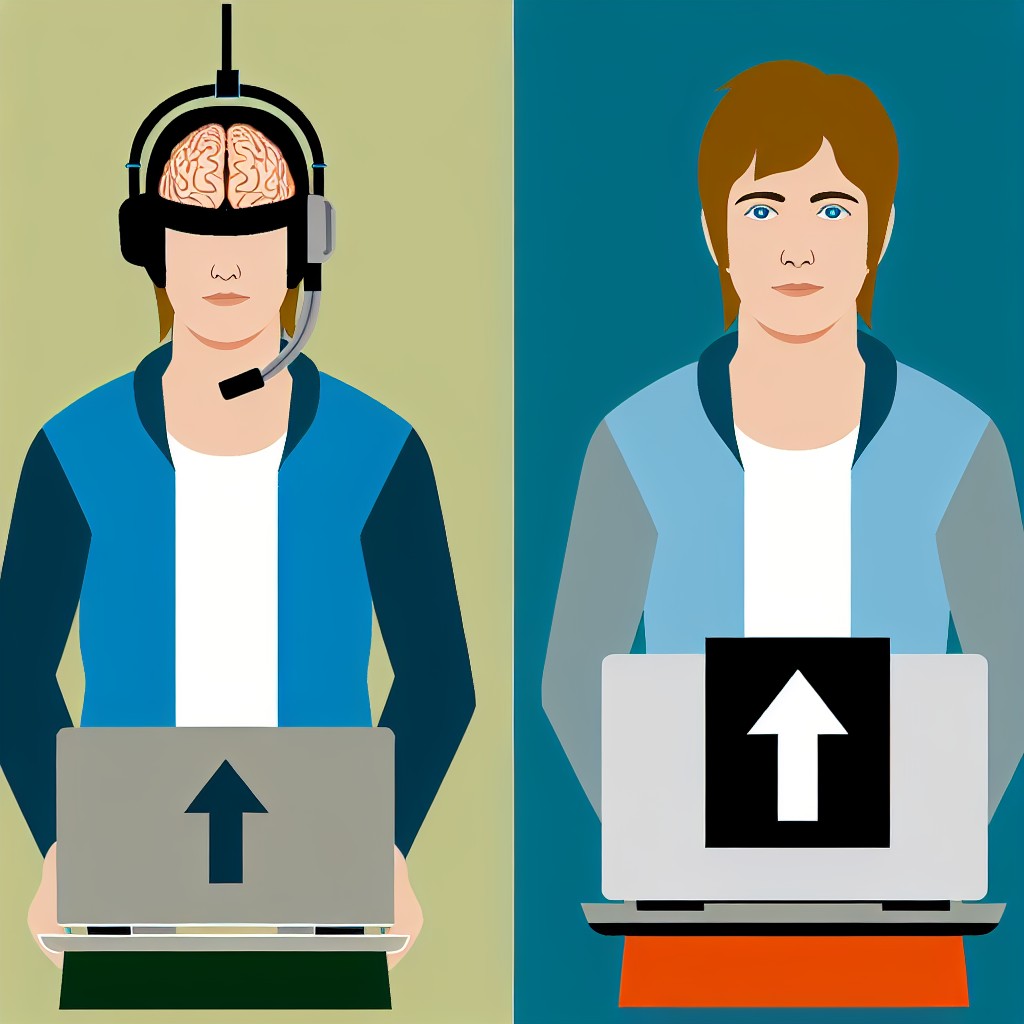
Future Trends in AI-Driven Neurotechnology and Its Impact on Education
Emerging Innovations in Brain-Computer Interfaces
AI-powered brain-computer interfaces interpret neural signals to customize lesson plans.
Companies like NeuraCore Dynamics lead advancements in adaptive learning platforms.
These BCIs analyze brain activity and adapt lessons in real time.
Students receive personalized support that matches their cognitive state.
Developers improve signal accuracy by using deep learning algorithms continuously.
The technology becomes more responsive and less intrusive over time.
Personalized Learning through Real-Time Feedback
AI-driven neurotechnology provides dynamic feedback based on learners’ brain activity.
Cerebra Learning Solutions uses neural data to enhance student focus and retention.
Students gain immediate insights into their learning patterns without delays.
Educators adjust teaching methods tailored to each student’s unique needs.
This approach fosters higher engagement and accelerates knowledge acquisition.
Integration with Virtual and Augmented Reality
Combining BCIs with VR and AR creates immersive educational environments.
NeuroVista Labs develops integrations to simulate real-world scenarios effectively.
Students control interfaces with their thoughts and interact naturally with content.
These technologies help develop complex problem-solving and creative skills.
Educators increasingly adopt these tools to bridge theoretical and practical learning.
Data Privacy and Ethical Considerations
BCIs collect sensitive neural data, so privacy remains a critical concern.
Companies like MindGuard Analytics implement strict encryption and anonymization protocols.
Educational institutions must establish clear guidelines for ethical data usage.
Transparency builds trust between learners and technology providers.
Ongoing dialogue is essential to address ethical challenges in neurotechnology applications.
Future Opportunities for Inclusive Education
AI-driven neurotechnology holds promise for expanding educational accessibility.
The technology assists students with disabilities by adapting lessons to their needs.
NeuroAccess Inc. develops BCIs that translate brain signals into communication aids.
This technology enables more inclusive classrooms and equal learning opportunities.
The future of education becomes more equitable through these innovations.
Technical and Infrastructure Requirements for Widespread BCI Adoption
Advanced Hardware Components
Brain-computer interfaces require specialized sensors to detect neural activity accurately.
These sensors must be lightweight and comfortable for extended use by students.
Moreover, hardware should support wireless connectivity to ensure ease of integration.
Companies like NeuralSync Technologies and CortexWave Systems lead in developing such cutting-edge devices.
Additionally, durable materials improve device longevity in classroom environments.
Robust Software and Algorithms
Effective BCI systems depend on sophisticated software for signal processing and interpretation.
Machine learning algorithms play a pivotal role in translating brain signals into actionable data.
Furthermore, real-time data analysis enhances the responsiveness of educational applications.
Software platforms must integrate seamlessly with existing learning management systems.
Collaborations between firms such as Synaptech Solutions and MindWave Analytics accelerate software advancements.
Reliable Network Infrastructure
High-speed wireless networks are essential to handle the data throughput from BCIs.
Schools need to upgrade Wi-Fi capabilities to support simultaneous BCI connections.
Cloud computing resources facilitate large-scale data storage and processing requirements.
Consequently, partnerships with providers like EduNet Communications ensure network stability.
Network security measures must protect sensitive neurodata from unauthorized access.
Training and Support Systems
Educators require comprehensive training to operate BCI equipment effectively.
Technical support teams must be available to resolve hardware and software issues promptly.
Professional development programs encourage adoption and ease transition challenges.
Moreover, user-friendly interfaces reduce the learning curve for teachers and students alike.
Continued collaboration with educational specialists, such as those at LearningTech Advisors, supports smooth deployment.
Regulatory and Ethical Infrastructure
Clear policies governing data privacy and consent are vital for ethical BCI use in schools.
Regulations must address long-term storage and usage of neural data.
Institutions should establish oversight committees to monitor compliance with ethical standards.
Additionally, transparency in data handling builds trust among students and parents.
Organizations like the Educational Neuroscience Ethics Board provide guidelines for responsible practices.
Potential Risks and Mitigation Strategies for Neurotechnology in Education
Privacy and Data Security Concerns
Neurotechnology collects highly sensitive data related to brain activity.
Unauthorized access to this data can compromise student privacy.
Misuse of brain data may lead to discrimination or profiling.
Robust data encryption must protect all neurofeedback information.
Educational institutions should implement strict access controls.
Companies like NeuroVista emphasize anonymizing brain data to reduce risks.
Regular audits and compliance checks ensure adherence to privacy regulations.
Psychological and Emotional Risks
Using brain-computer interfaces may cause stress or anxiety in some students.
Students might feel pressured to perform better due to constant monitoring.
This pressure can affect mental health negatively.
Educators should provide mental health support alongside neurotechnology.
Training by specialists like Dr. Elisa Morales can help students adapt.
Open communication channels allow students to express concerns safely.
Technical Limitations and Reliability Issues
Brain-computer interfaces may produce inaccurate or inconsistent readings.
Technical malfunctions can disrupt the learning process unexpectedly.
Companies such as CerebraTech invest heavily in quality assurance.
Educational systems must have fallback plans in case devices fail.
Teachers should receive training to handle technical difficulties smoothly.
Continuous software updates improve system stability and accuracy over time.
Ethical Implications and Consent
There are ethical questions around consent when implementing neurotechnology in schools.
Young students may not fully understand what data is collected or how it is used.
Obtaining informed consent from both students and guardians is crucial.
The Oakland School District requires clear consent protocols before deployment.
Transparency about potential benefits and risks builds trust among stakeholders.
Experts like Professor Liam O’Connor advocate for ethical guidelines in this emerging field.
Addressing Accessibility and Equity
Unequal access to neurotechnology could widen educational disparities.
Not all schools can afford the latest brain-computer interface tools.
Public-private partnerships can subsidize technology deployment to mitigate this.
Open-source platforms democratize access to neuroeducational resources.
Organizations like BrainBridge Foundation focus on inclusive technology initiatives.
Ensuring equal opportunities improves learning outcomes for all students.
- Implement strong data privacy and encryption standards.
- Provide mental health support and open communication channels.
- Invest in reliable technology with backup systems.
- Obtain informed consent and maintain transparency.
- Promote equitable access through funding and partnerships.
Transforming Learning with Brain-Computer Interfaces
Enhancing Engagement and Personalization
Brain-computer interfaces enable direct communication between learners and educational technology.
This connection allows NeuroSync Solutions to customize lessons in real time.
Consequently, students like Elena Vasquez receive tailored feedback suited to their cognitive state.
Moreover, BCIs foster increased engagement by adapting to attention levels dynamically.
As a result, learners maintain focus longer and absorb information more effectively.
Facilitating Inclusive and Accessible Education
BCIs break barriers for students with disabilities or learning differences.
For example, MindBridge Technologies develops interfaces that support non-verbal communication.
Therefore, BCI systems open new avenues for inclusive participation and collaboration.
Additionally, adaptive controls empower a wider range of learners to engage with content effortlessly.
Hence, education becomes accessible to individuals often underserved by traditional methods.
Driving Innovation in Educational Environments
Institutions such as the Boston Cognitive Learning Center invest heavily in BCI research.
These cutting-edge efforts result in immersive, brain-responsive learning spaces.
Furthermore, teachers like Samuel Clark leverage BCIs to monitor cognitive load during lessons.
This data-driven approach optimizes pacing and content delivery effectively.
Consequently, future classrooms evolve into highly responsive, technology-enhanced environments.
Ethical and Collaborative Advances Shaping Education’s Future
As BCI technology matures, collaboration across industries intensifies rapidly.
Experts like Dr. Aisha Patel emphasize the importance of ethical implementation.
Thus, responsible development safeguards learner privacy and mental well-being.
Ultimately, brain-computer interfaces will redefine how knowledge is shared and acquired.
Together, innovators and educators will create revolutionary learning experiences worldwide.
Additional Resources
BCI Commercial and Government Use: Gaming, Education …
Brain-computer interfaces in neurorecovery and neurorehabilitation …
Before You Go…
Hey, thank you for reading this blog post to the end. I hope it was helpful. Let me tell you a little bit about Nicholas Idoko Technologies.
We help businesses and companies build an online presence by developing web, mobile, desktop, and blockchain applications.
We also help aspiring software developers and programmers learn the skills they need to have a successful career.
Take your first step to becoming a programming expert by joining our Learn To Code academy today!
Be sure to contact us if you need more information or have any questions! We are readily available.
We Design & Develop Websites, Android & iOS Apps
Looking to transform your digital presence? We specialize in creating stunning websites and powerful mobile apps for Android and iOS. Let us bring your vision to life with innovative, tailored solutions!
Get Started Today