


Introduction to Biometric Authentication
What Biometric Authentication Means
Biometric authentication uses unique physical traits to verify identity.
Examples include fingerprints.
Facial recognition is another example.
Voice patterns also serve as biometric identifiers.
This method replaces traditional passwords with more secure options.
It leverages advanced technology to identify users quickly and accurately.
Relevance in Health Apps
Health apps store sensitive medical and personal information.
Therefore, strong security measures protect against unauthorized access.
Biometric authentication enhances security by linking access to individuals.
Moreover, it improves user convenience by simplifying the login process.
Many health platforms adopt biometrics to comply with data protection laws.
Companies like SecureHealth Solutions and VitalPath Technologies integrate these systems.
Advantages of Biometric Authentication in Healthcare
-
Reduces risk of stolen or forgotten passwords.
-
Provides quick access during emergencies.
-
Ensures only authorized users reach private data.
-
Supports multi-factor authentication for added protection.
Emerging Trends in Biometric Tools for Health Apps
Developers increasingly combine biometrics with AI for smarter verification.
Wearables also incorporate biometric sensors to monitor health in real time.
Future apps will likely offer seamless and continuous authentication methods.
Types of Biometric Authentication Methods Used in Health Applications
Fingerprint Recognition
Fingerprint recognition is one of the most common biometric methods in health apps.
It identifies users by scanning unique patterns on their fingertips.
This method provides quick and convenient access to sensitive medical data.
Additionally, companies like MedSecure Solutions use fingerprint authentication in their mobile apps.
It effectively reduces unauthorized access and ensures patient data privacy.
Facial Recognition
Facial recognition technology analyzes distinctive facial features to verify identity.
Many health applications now implement this method for secure login.
Moreover, startups such as ClaraHealth employ facial scanning to streamline user access.
This technique enhances security by preventing fraudulent entry from imposters.
It also offers a hands-free authentication process for users with mobility challenges.
Voice Recognition
Voice recognition analyzes vocal patterns to authenticate users.
Health apps like VocalWell integrate this method for added security layers.
It captures unique voice characteristics including tone and pitch.
Additionally, voice authentication supports accessibility for visually impaired patients.
However, background noise can sometimes affect recognition accuracy.
Iris and Retina Scanning
Iris and retina scanning focus on patterns in the eye for biometric validation.
This approach offers extremely high accuracy due to the uniqueness of eye features.
Elite health systems, including Horizon Medical Tech, utilize eye scanning for secure app access.
Users undergo quick scanning to verify identity without physical contact.
Nonetheless, specialized hardware requirements may limit widespread adoption.
Behavioral Biometrics
Behavioral biometrics track user habits such as typing rhythm and touchscreen interaction.
Health platforms like VitaCare employ these patterns as continuous authentication measures.
This method detects unusual behavior that may indicate unauthorized access.
It works seamlessly in the background without interrupting the user experience.
Consequently, it strengthens security while maintaining convenience for patients.
Multimodal Biometric Authentication
Multimodal systems combine multiple biometric methods for enhanced security.
For example, BioHealth integrates fingerprint and facial recognition to verify users.
This combination reduces false acceptance and improves authentication reliability.
Health apps benefit from diversified data points to protect sensitive information.
Therefore, multimodal authentication represents a robust solution against cyber threats.
Benefits of Using Biometric Authentication for Secure Access in Health Apps
Enhanced Security Measures
Biometric authentication significantly improves security in health apps.
It uses unique physical traits that are difficult to mimic or steal.
Consequently, unauthorized access to sensitive health data decreases.
Moreover, fingerprints, facial recognition, and iris scans ensure robust user verification.
Therefore, apps like MedSecure and VitalCore secure patient information effectively.
Improved User Experience
Biometric authentication offers users fast and convenient access to health apps.
Users no longer need to remember complex passwords.
Instead, they verify their identities with simple gestures or scans.
This smooth process reduces login time significantly.
For example, clinicians at Riverside Medical Center praise the system’s efficiency.
Compliance with Privacy Regulations
Many regions enforce strict regulations on medical data protection.
Biometric authentication helps health apps comply with laws like HIPAA and GDPR.
It ensures that only verified individuals access confidential health records.
Thus, companies such as Summit Health Solutions maintain legal standards easily.
Reduction of Fraud and Identity Theft
Health apps face high risks of identity fraud due to sensitive information.
Biometric methods drastically reduce risks by tying access to unique biological features.
This complexity prevents common hacking and phishing attacks.
Consequently, patients’ trust in digital health services increases.
Integration with Multi-Factor Authentication
Biometric data complements other security layers in multi-factor authentication.
Combining biometrics with passwords or tokens strengthens overall protection.
It ensures that even compromised credentials cannot grant access alone.
Health institutions like ClearPath Medical implement such systems for added security.
Cost Efficiency for Health Organizations
While initial setup of biometric systems involves investment, long-term savings occur.
It reduces costs related to password resets and account breaches.
Additionally, it minimizes administrative tasks associated with managing user access.
Therefore, providers such as HorizonCare optimize resources sustainably.
Supporting Remote Healthcare Services
Biometric authentication enables secure remote access to patient data.
This feature supports telemedicine and home healthcare efficiently.
Patients and healthcare professionals benefit from safe and immediate app entry anywhere.
For instance, NovaHealth uses biometrics to improve their telehealth platform safety.
You Might Also Like: AI-Powered Drug Discovery Software Accelerating Research
Challenges and Limitations of Biometric Security in Healthcare Environments
Technical and Operational Challenges
Biometric systems in healthcare face several technical challenges that affect performance.
Inconsistent sensor quality can lead to authentication errors frequently.
Environmental factors like lighting and moisture impact biometric accuracy.
System integration with existing healthcare IT infrastructure remains complex.
Healthcare providers often struggle to align biometric security with legacy software.
This integration difficulty slows down adoption rates in many clinics.
Privacy and Security Concerns
Patient privacy concerns remain central when deploying biometric authentication.
Biometric data is sensitive and irreversible if compromised in a breach.
Hackers targeting biometric databases can cause lasting security damage.
Improper data handling can violate strict healthcare regulations like HIPAA.
Data encryption and secure storage must be prioritized by system developers.
Insider threats pose a significant risk to biometric data confidentiality.
User Acceptance and Accessibility Issues
Many patients express hesitation in using biometric authentication due to privacy fears.
Older adults or users with disabilities may face difficulty using certain biometric methods.
Fingerprint sensors may fail with worn or damaged skin.
Alternatives such as facial recognition sometimes struggle with diverse demographic groups.
Healthcare providers must offer multiple authentication options.
Training and clear communication improve patient trust and system usability overall.
Regulatory and Ethical Considerations
Healthcare organizations must comply with evolving regulations around biometric data use.
Laws vary by region, complicating multinational health app deployments significantly.
Ethical concerns arise regarding informed consent and data ownership.
Patients should fully understand how their biometric information will be collected and stored.
Transparent policies help build trust between providers and app users alike.
Costs and Implementation Barriers
Implementing biometric security requires significant upfront investment for devices and software.
Small clinics and practices may struggle with these financial burdens.
Ongoing maintenance and updates add further expenses over time.
Specialists like biometric security consultants increase implementation complexity.
Healthcare institutions must carefully assess cost-benefit before full-scale deployment.
See Related Content: Augmented Reality for Remote Surgical Assistance
Regulatory Framework Governing Biometric Data in Health Apps
Health apps that use biometric authentication must comply with stringent regulations.
For instance, the Health Insurance Portability and Accountability Act (HIPAA) governs patient data in the United States.
It mandates that biometric data be treated as protected health information (PHI).
Similarly, the General Data Protection Regulation (GDPR) in Europe imposes strict controls on biometric data usage.
Both laws focus on securing sensitive information and protecting user privacy.
Additionally, regions like California have enacted laws such as the California Consumer Privacy Act (CCPA) that cover biometric data.
Therefore, developers must ensure compliance with relevant local and international regulations.
Non-compliance can lead to severe penalties and loss of user trust.
Privacy Considerations for Biometric Data
Risks of Collecting and Storing Biometric Data
Biometric data includes fingerprints, facial recognition, and voice patterns.
This information is unique and permanent for each individual.
Consequently, its misuse can cause irreversible privacy breaches.
Data breaches involving biometric details are particularly harmful because compromised data cannot be changed.
Hence, developers must apply strong safeguards to protect this sensitive data.
Best Practices for Protecting User Privacy
First, health apps should limit biometric data collection to only what is necessary.
Furthermore, they must store biometric information in encrypted form.
Applying multi-factor authentication enhances security around biometric systems.
Moreover, transparent privacy policies help users understand how their data is handled.
Regular security audits can identify vulnerabilities before they are exploited.
Obtaining Informed User Consent
Obtaining explicit consent ensures users are aware of data collection practices.
Consent forms should clearly explain the purpose and scope of biometric data usage.
Additionally, users must have easy options to withdraw consent at any time.
This practice respects user autonomy and builds trust with the app provider.
Industry Standards and Recommendations
Organizations like the National Institute of Standards and Technology (NIST) publish guidelines for biometric security.
These standards assist developers in implementing robust authentication mechanisms.
For example, NIST recommends templates be stored securely and never in raw form.
Following such recommendations reduces risks associated with biometric data misuse.
Collaboration among industry stakeholders promotes consistent and secure biometric practices.
Responsibility of Companies Using Biometric Authentication
Companies like Meridian Health Systems and Solace Biotech lead the integration of biometrics in health apps.
They invest in state-of-the-art encryption and compliance monitoring tools.
Furthermore, they train staff on data privacy and secure handling procedures.
These efforts ensure both regulatory adherence and user confidence.
Ultimately, protecting biometric data is critical for sustaining the adoption of secure health apps.
You Might Also Like: Machine Learning in Pharmacology for Personalized Medicine
Integration of Biometric Authentication with Existing Health App Architectures
Adapting Biometric Systems to Health App Frameworks
Integrating biometric authentication starts with understanding the existing app architecture.
Developers analyze current security protocols and data flow within the app.
Then, they identify suitable points for embedding biometric verification processes.
For instance, authentication modules often connect with user login and session management.
Moreover, developers ensure biometric features comply with prevailing security standards.
This step guarantees seamless operation alongside legacy authentication methods.
Choosing Appropriate Biometric Modalities
App architects assess different biometric technologies like fingerprint or facial recognition.
They consider device compatibility and user convenience when selecting modalities.
Furthermore, latency and accuracy play crucial roles in decision-making.
Health apps aiming to protect sensitive medical data require reliable verification.
Therefore, multi-factor authentication combining biometrics and PINs is common.
Implementing Secure Biometric Data Handling
Secure handling of biometric data remains essential during integration.
Developers encrypt biometric templates locally on the device.
They avoid transmitting raw biometric data over networks to maintain privacy.
In addition, apps often leverage hardware-backed security elements, such as secure enclaves.
This approach prevents unauthorized access and tampering with sensitive information.
Ensuring Compatibility with Backend Services
Backend systems must support biometrics for effective user validation.
Integrators create APIs to connect front-end biometric modules to authentication servers.
These APIs facilitate token exchange and session verification efficiently.
Compatibility with existing user databases ensures smooth user experience.
Additionally, backend servers implement strict controls and audit trails for biometric access.
Testing and Deployment Considerations
Rigorous testing verifies biometric functionality within health app ecosystems.
Tests cover performance across different devices and operating system versions.
Moreover, usability studies confirm biometric methods suit the user base.
After successful validation, developers roll out biometric features incrementally.
This strategy minimizes risk and allows prompt response to issues.
Collaboration with Industry Experts and Vendors
Successful integration often involves collaboration with biometric technology providers.
These partnerships help optimize biometric algorithms for health app scenarios.
Vendors supply development kits and technical support for smoother integration.
Furthermore, legal experts guide compliance with healthcare data regulations.
This teamwork ensures that biometric authentication enhances security without sacrificing usability.
Learn More: 5G-Powered Remote Health Monitoring in Rural Areas
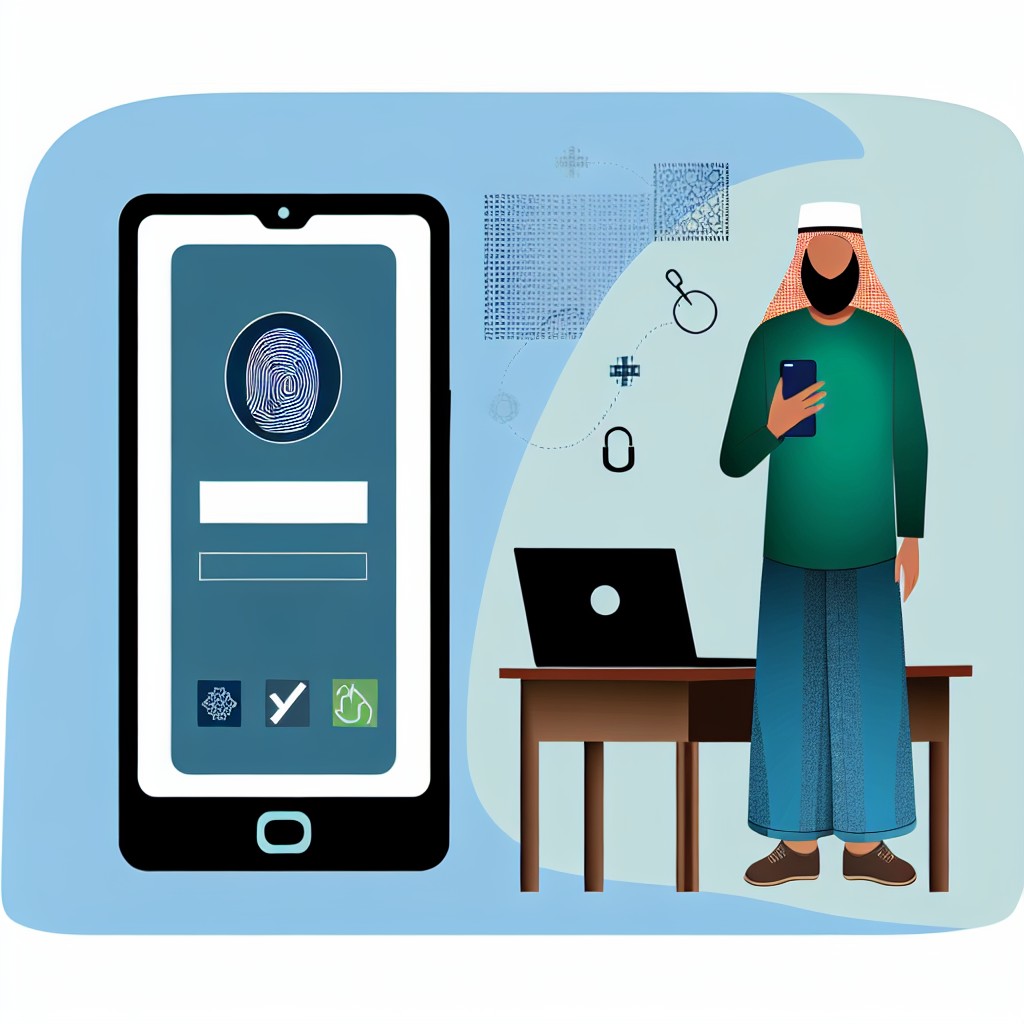
Case Studies Showcasing Successful Implementation of Biometrics in Health Apps
SecureHeart’s Fingerprint Authentication Enhances Patient Data Safety
SecureHeart integrated fingerprint authentication into its mobile health app.
The company focused on providing quick and secure access to medical records.
As a result, patient login times reduced significantly while security improved.
Moreover, users reported feeling more confident about protecting their sensitive data.
The app recorded a 40% drop in unauthorized access attempts after implementation.
MediTrack Uses Facial Recognition to Streamline User Access
MediTrack developed a facial recognition feature for their chronic condition management app.
This biometric tool allows users to unlock the app with a simple glance.
Consequently, patients with mobility challenges find it easier to manage their health.
The system uses advanced algorithms to ensure both accuracy and privacy.
Since deployment, the app saw increased user retention and satisfaction scores.
WellnessSync Incorporates Iris Scanning for Hospital Staff
WellnessSync implemented iris scanning for healthcare professionals accessing patient data.
This method ensures that only authorized medical personnel gain system access.
Consequently, the hospital experienced a significant reduction in internal data breaches.
Dr. Elena Martinez praised the system for its user-friendly nature and strong security.
Additionally, compliance with health data regulations improved notably after integration.
HealthGuard Combines Voice Recognition with Biometrics for Multi-Factor Security
HealthGuard introduced voice recognition alongside fingerprint biometrics in their app.
This multi-factor authentication strategy bolstered protection against cyber threats.
Patients appreciated the flexibility of using different biometric options.
The company reported a surge in new registrations due to enhanced trust in security.
Further, caregivers found the access process intuitive and speedy.
BioPulse’s Touchless Authentication Benefits Elderly Users
BioPulse launched a touchless authentication system based on heartbeat patterns.
This innovation targets elderly users who may struggle with touch-based security measures.
Users can now access health monitoring features without physical contact.
Consequently, the app increased daily active usage among seniors by over 30%.
Healthcare providers noted improved adherence to medication schedules thanks to this access.
Future Trends and Advancements in Biometric Technologies for Health Security
Emerging Biometric Modalities
Health apps increasingly adopt innovative biometric modalities for stronger security.
For example, heartbeat pattern recognition offers unique and continuous authentication.
Furthermore, vein pattern scanning provides highly secure and hard-to-replicate identification.
Companies like MedSecure Technologies lead in integrating these novel biometrics.
Consequently, users experience seamless yet robust access to their health data.
Advancements in Artificial Intelligence Integration
AI enhances the accuracy and speed of biometric authentication in health apps.
Additionally, machine learning algorithms detect anomalies and prevent fraudulent access.
Biometrics powered by AI adapt to a user’s changing physical traits over time.
Innovators such as NovaHealth Solutions develop AI-driven biometric security features.
Therefore, health data becomes more resilient against sophisticated cyberattacks.
Improved Privacy and Data Protection Measures
Future biometric systems emphasize enhanced privacy-preserving technologies.
Techniques like homomorphic encryption allow secure processing of biometric data.
Moreover, decentralized storage reduces risks of centralized data breaches.
Health app developers like VitalGuard implement end-to-end encryption protocols.
This approach fosters user trust while maintaining compliance with regulations like HIPAA.
Multimodal Biometric Authentication
Combining multiple biometric factors increases security without compromising convenience.
For instance, facial recognition paired with voice authentication offers layered protection.
Such multimodal solutions reduce false acceptance and rejection rates effectively.
ForteLife, a digital health provider, pioneers multimodal biometric frameworks.
As a result, patients and providers benefit from safer and smoother app interactions.
Biometric Authentication in Telehealth and Remote Monitoring
The rise of telehealth drives demand for secure remote biometric authentication methods.
Wearable devices equipped with biometrics enable continuous patient identity verification.
Companies like HorizonCare integrate these features to safeguard remote consultations.
This advancement ensures that only authorized users access sensitive health information.
Consequently, biometric security supports the expanding landscape of digital healthcare.
User Experience and Accessibility Concerns in Biometric Authentication for Health Apps
Balancing Security and Ease of Use
Biometric authentication enhances security for health apps by verifying user identity quickly.
However, it must maintain a smooth and simple user experience to encourage adoption.
For instance, scanning fingerprints or facial recognition should take only a few seconds.
Otherwise, users may grow frustrated and abandon the app entirely.
Therefore, developers like Meridian HealthTech optimize biometric processes for speed and accuracy.
Moreover, biometric systems must handle different lighting and environmental conditions reliably.
Challenges Faced by Diverse Users
Some users may encounter difficulties using biometric sensors due to physical limitations.
For example, users with manual disabilities might struggle with fingerprint scans.
Similarly, facial recognition can fail for those with facial coverings or unique features.
Older adults may find biometric setup confusing or intimidating at first.
To address this, ClearPath Wellness offers alternative authentication options alongside biometrics.
Also, apps should provide clear guidance and support during the enrollment process.
Ensuring Accessibility for All
Designing biometric authentication with accessibility in mind improves inclusivity.
Developers must comply with standards such as WCAG to support users with disabilities.
For instance, voice-assisted biometric prompts help visually impaired individuals.
Plus, adjustable settings let users customize authentication preferences easily.
Health apps like VitalPulse incorporate these features to reach a wider audience.
Additionally, continuous feedback mechanisms help identify and fix accessibility issues.
Privacy Concerns and Building User Trust
Users often worry about how their biometric data is stored and used.
Transparency about data security raises user confidence in the app.
Strong encryption and local storage of biometric templates prevent unauthorized access.
Furthermore, apps should clearly communicate privacy policies in understandable language.
Companies such as Solace Health prioritize user consent and data protection measures.
Trust also grows when users can easily opt out or delete biometric data at any time.
Comparative Analysis of Biometric Authentication Versus Traditional Authentication Methods in Healthcare
Overview of Authentication Methods in Health Apps
Healthcare apps use various authentication methods to protect sensitive data.
Traditional authentication typically involves passwords and PINs.
Biometric authentication relies on unique physiological traits like fingerprints and facial recognition.
Both methods aim to secure user access effectively and prevent unauthorized entry.
Security Advantages of Biometric Authentication
Biometric authentication offers higher security by using individual physical characteristics.
It reduces the risks of password theft and phishing attacks significantly.
Moreover, biometric data is much harder to replicate or share than passwords.
Consequently, healthcare providers like MedSecure Solutions prioritize biometrics for patient data access.
Challenges with Traditional Authentication in Healthcare
Passwords and PINs often suffer from weak or reused credentials.
This makes healthcare data vulnerable to cyberattacks and breaches.
Patients frequently forget passwords, causing repeated reset requests.
Therefore, organizations like HealthLink Technologies face higher support costs and security concerns.
User Convenience and Experience
Biometric authentication enhances user convenience by enabling quick and easy access.
Users like Dr. Ethan Morrison appreciate faster login processes during emergencies.
In contrast, traditional methods consume more time and increase user frustration.
Additionally, biometrics eliminate the need to remember complex passwords or PINs.
Implementation Considerations for Healthcare Providers
Deploying biometric systems requires investment in compatible hardware and software.
Some older devices may not support advanced biometric features fully.
However, companies like CareSync Innovations successfully integrate biometrics with existing infrastructures.
They ensure data privacy compliance while improving authentication accuracy.
Potential Privacy Concerns with Biometric Authentication
Storing biometric data raises legitimate privacy and ethical questions.
Unauthorized access to this data could lead to serious misuse or identity theft.
Health organizations must implement strong encryption and secure data storage.
Furthermore, clear communication about data usage reassures patients like Maria Alvarez.
Key Differences Between Biometric and Traditional Authentication
- Biometric authentication provides stronger security than passwords or PINs.
- User experience improves with faster and simpler biometric logins.
- Traditional methods remain susceptible to human errors and cyberattacks.
- Implementing biometrics involves initial costs but offers long-term benefits.
- Data privacy and legal compliance are crucial for biometric deployment.
Additional Resources
Multi-Factor Authentication for Healthcare | Award-Winning MFA
A review of multi-factor authentication in the Internet of Healthcare …
Before You Go…
Hey, thank you for reading this blog post to the end. I hope it was helpful. Let me tell you a little bit about Nicholas Idoko Technologies.
We help businesses and companies build an online presence by developing web, mobile, desktop, and blockchain applications.
We also help aspiring software developers and programmers learn the skills they need to have a successful career.
Take your first step to becoming a programming expert by joining our Learn To Code academy today!
Be sure to contact us if you need more information or have any questions! We are readily available.
We Design & Develop Websites, Android & iOS Apps
Looking to transform your digital presence? We specialize in creating stunning websites and powerful mobile apps for Android and iOS. Let us bring your vision to life with innovative, tailored solutions!
Get Started Today