
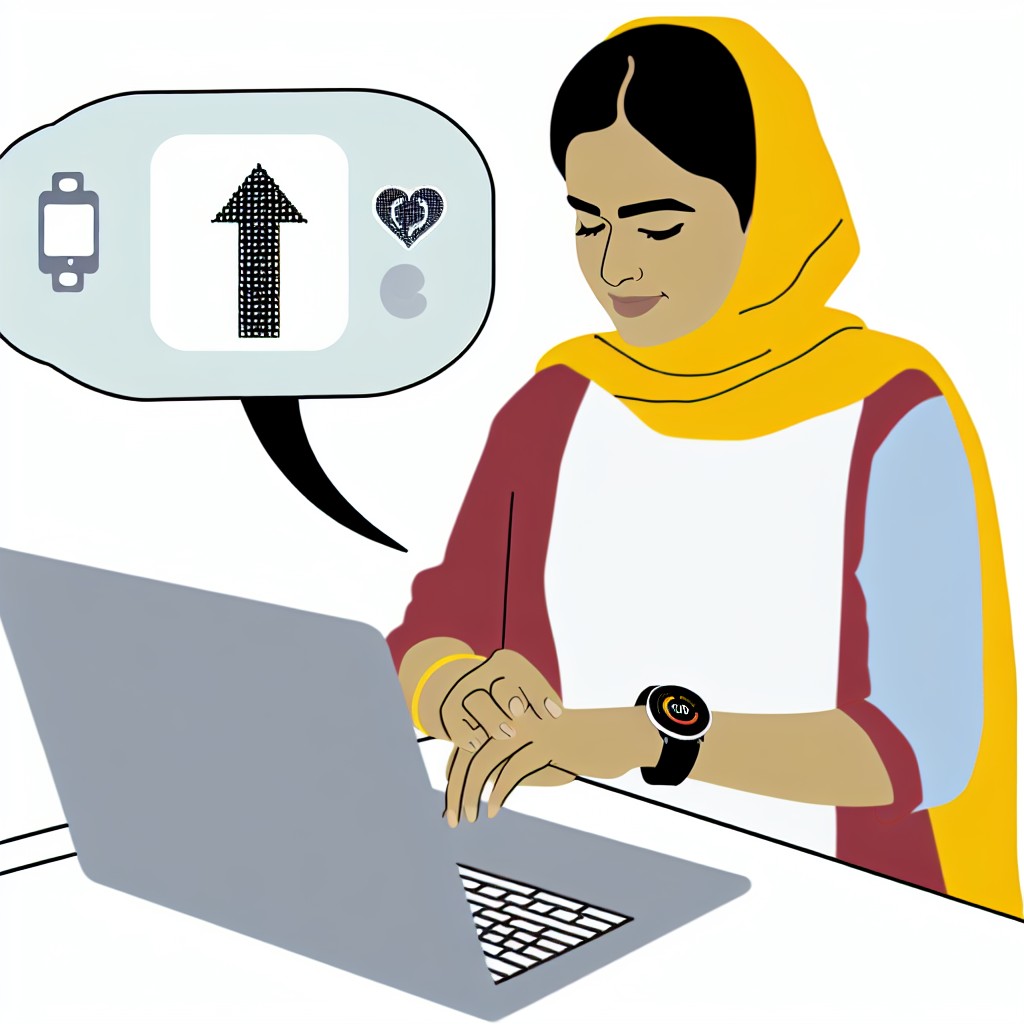

Introduction to Biohacking
The Concept of Biohacking
Biohacking involves making deliberate changes to improve the body and mind.
It blends biology with technology to optimize personal health.
Individuals experiment with techniques to enhance physical and cognitive abilities.
These techniques range from diet adjustments to advanced wearable devices.
Consequently, biohacking empowers people to take control of their own biology.
Growing Popularity in the Tech Era
Technology has expanded biohacking possibilities exponentially.
Wearable devices, like FitPulse and NeuroSync, provide real-time body data.
Mobile apps track sleep, nutrition, and mental clarity with ease.
Innovators such as Dr. Lucas Grantham promote biohacking through workshops.
Moreover, companies like Synapse Health develop personalized bio-optimization tools.
As a result, more individuals adopt biohacking to boost daily performance.
Reasons Why Biohacking Appeals to Modern Individuals
People seek efficient ways to enhance well-being amidst busy lifestyles.
Biohacking offers measurable results in mental alertness and physical stamina.
The desire for self-improvement drives engagement in biohacking communities.
Furthermore, social media platforms share success stories and innovative methods.
Also, the accessibility of affordable bio-tools attracts wider audiences.
Consequently, biohacking continues to evolve as a mainstream wellness practice.
Overview of Common Biohacking Techniques and DIY Biology
Wearable Technology for Health Monitoring
Wearable devices have become essential tools in biohacking.
They track vital signs such as heart rate and sleep quality.
Popular devices include smartwatches from LuminaTech and PulseSense.
Moreover, continuous glucose monitors help users manage diet effectively.
These gadgets provide real-time data, empowering individuals to optimize health.
Nutrition and Supplement Optimization
Biohackers often experiment with personalized nutrition plans.
They incorporate supplements to enhance cognitive and physical performance.
For instance, nootropics like NeuroVex improve focus and memory.
Additionally, companies like OptimaWell offer DNA-based nutrition advice.
This approach helps tailor dietary choices to individual genetic profiles.
Sleep Enhancement Techniques
Improving sleep is a common goal in biohacking routines.
Techniques include using blue light blocking glasses such as those by NightGuard.
Sleep trackers from RestSense analyze sleep cycles thoroughly.
Furthermore, white noise machines can promote deeper rest.
These methods collectively aim to boost restorative sleep quality.
DIY Biology and Open-Source Projects
DIY biology allows enthusiasts to perform experiments outside traditional labs.
Communities like BioCrafter Labs support home-based genetic research.
They share protocols for safe gene editing and microbiome analysis.
Open-source hardware platforms like GeneCore simplify complex procedures.
This democratizes science, making biohacking accessible to many.
Mind and Body Enhancement Technologies
Biohackers use devices like transcranial direct current stimulation (tDCS).
StarNeuro Inc. produces tDCS headsets to enhance brain function safely.
Similarly, vibration platforms from VitalPulse improve muscle strength.
Additionally, guided meditation apps supported by CalmWave aid mental clarity.
Such technologies complement physical and cognitive biohacking efforts.
Community and Collaboration in Biohacking
Biohacking thrives through collaboration and shared knowledge.
Events hosted by organizations like SynBioCon foster innovation and safety.
Online forums also connect biohackers worldwide.
These networks accelerate learning and development of new techniques.
Consequently, biohacking grows as a community-driven movement.
Role of Wearable Technology in Monitoring and Optimizing Health
Advancements in Wearable Health Devices
Wearable technology continuously evolves to track various health metrics accurately.
Devices like the FitWell Pulse by LuminaTech help users monitor heart rate and stress levels.
Furthermore, wearable sensors can detect sleep patterns and physical activity automatically.
Companies such as NovaHealth integrate AI to provide personalized wellness recommendations.
These devices empower individuals to take control over their health data daily.
Benefits of Real-Time Health Monitoring
Real-time monitoring enables early detection of potential health issues.
Additionally, users receive instant feedback to adjust activities or diet for better results.
Wearables motivate individuals to maintain or improve their physical fitness consistently.
For instance, Clara Jenkins improved her endurance by following activity alerts from her MedTrack device.
Moreover, caregivers and doctors can remotely track patient progress through synced apps.
Optimizing Health Through Data-Driven Insights
Wearables collect large amounts of data that reveal valuable health trends over time.
Analyzing this data helps identify lifestyle changes that lead to improved well-being.
Health coach Rafael Mendes uses wearable reports to tailor fitness plans for his clients effectively.
Also, integrating wearable data with nutrition apps creates a comprehensive health management system.
Users experience better sleep quality, weight management, and stress reduction as a result.
Privacy Challenges and Emerging Trends in Wearable Health Technology
Privacy concerns and data security remain critical challenges for wearable adoption.
Innovators like Elysian Labs work to enhance encryption and user consent protocols rigorously.
Future wearables may include non-invasive glucose monitoring and advanced biomarker detection.
Enhanced battery life and device comfort will also drive increased daily usage.
Wearable technology stands to transform personalized health optimization profoundly.
See Related Content: Smart Nutrition: How AI-Powered Apps Optimize Your Diet Choices
Impact of Nutrition Tracking Apps and Personalized Supplements
Empowering Health Through Technology
Nutrition tracking apps enable users to monitor their daily food intake accurately.
They provide detailed insights into calories, macros, and micronutrients consumed.
Consequently, users gain a clearer understanding of their nutritional habits.
Furthermore, these apps help identify nutrient deficiencies and excesses efficiently.
Users can set personalized goals that align with their health objectives.
For instance, apps like NutriTrack by VitaLogic use AI to suggest optimized meal plans.
Many apps also sync with wearable devices for comprehensive health monitoring.
Therefore, individuals can track exercise, sleep, and nutrition in one platform.
Advancements in Personalized Supplements
Personalized supplements tailor nutrient delivery to individual needs.
Companies such as BioSculpt Labs analyze DNA and lifestyle data to personalize formulas.
This approach offers more precise nutrient support than generic supplements.
Moreover, it reduces the risk of over- or under-supplementation significantly.
Users receive recommendations based on real-time biometric feedback.
As a result, the supplements adapt to changes in health and activity levels.
Personalized vitamins boost energy, immunity, and cognitive function effectively.
Additionally, they often come with convenient subscription models for regular delivery.
Synergistic Benefits of Nutrition Apps and Personalized Supplements
When used together, tracking apps and personalized supplements create synergy.
Apps identify nutrition gaps and health trends that supplements can address.
For example, if magnesium intake is low, the app alerts the user promptly.
In response, the personalized supplement formula adjusts to include more magnesium.
This dynamic feedback loop optimizes nutritional balance continuously.
Consequently, users experience improved wellness and sustained health benefits.
Moreover, the integration encourages accountability and consistent self-care habits.
Ultimately, technology empowers people to take control of their nutritional wellbeing.
Explore Further: Digital Legacy: Managing Your Online Life for Future Generations
Use of Neurotechnology to Enhance Cognitive Function and Mental Health
Advancements in Neurotechnology
Neurotechnology has rapidly advanced to improve brain function effectively.
Innovators like NeuroCore Technologies develop devices that stimulate neural activity.
These tools help users enhance memory, focus, and overall cognition daily.
Moreover, neurotech companies invest heavily in research to understand brain mechanisms.
As a result, new solutions emerge that target specific mental health challenges directly.
Boosting Cognitive Performance
Individuals now access brain-computer interfaces to strengthen mental capacity.
Such devices improve attention spans and accelerate learning processes consistently.
Besides hardware, software platforms personalize cognitive training exercises effectively.
Users benefit from adaptive programs that challenge their brains thoughtfully and progressively.
Consequently, neurotechnology enhances problem-solving skills and creative thinking remarkably.
Supporting Mental Health Through Technology
Neurotechnology also plays a vital role in managing anxiety and depression.
Companies like MindWave Innovations design neurofeedback systems for emotional regulation.
These systems teach users how to control stress responses through brainwave modulation.
Additionally, virtual reality combined with neurotech creates immersive therapies for trauma recovery.
Patients experience improved mood and resilience thanks to these innovative treatments.
Ethical and Practical Considerations for Neurotechnology Use
Experts emphasize careful use of neurotechnology to avoid overdependence or privacy risks.
Regulatory bodies work to establish guidelines ensuring safe and ethical applications.
Furthermore, practitioners like Dr. Alicia Thompson advocate for transparent communication with users.
They promote informed consent and ongoing monitoring to maximize benefits while minimizing harm.
Thus, responsible development remains crucial as neurotechnology integrates into daily life.
Uncover the Details: Augmented Reality in Daily Shopping: Enhancing the Retail Experience
Integration of AI and Machine Learning in Personalized Biohacking Strategies
Harnessing AI for Individualized Health Insights
Artificial intelligence transforms the way individuals approach biohacking.
It analyzes vast amounts of personal health data quickly and accurately.
For example, researchers at NexaHealth use AI to interpret sleep and nutrition patterns.
This process provides tailored recommendations that adapt to each user’s lifestyle.
Consequently, biohackers receive personalized plans rather than generic advice.
Machine Learning Enhances Continuous Improvement
Machine learning algorithms evolve by learning from ongoing user data.
Startups like VitalCore Labs develop adaptive systems that track biometrics over time.
They identify subtle trends and adjust biohacking tactics accordingly.
Therefore, this technology supports sustainable long-term health gains.
Moreover, it enables proactive interventions before health issues arise.
Applications of AI-Driven Biohacking Tools
Several AI-powered tools have become indispensable for modern biohackers.
Wearable devices from LuminaTech monitor heart rate variability in real time.
Meanwhile, personalized nutrition apps by VerdaLife suggest optimal diets based on metabolism.
Additionally, cognitive enhancement platforms like NeuroPulse offer brain training exercises curated by AI.
These innovations allow individuals to customize and optimize their routines efficiently.
Ethical Considerations and Privacy Protection
Despite AI’s promise, privacy remains a critical concern in biohacking.
Companies like Synaptic BioGuard implement rigorous data security measures.
Such protocols ensure sensitive health information remains confidential and safe.
Furthermore, ethical AI use guidelines help maintain transparency and user trust.
Ultimately, responsible AI integration safeguards both wellbeing and personal data.
Emerging Trends in AI-Powered Biohacking
Experts anticipate AI will further revolutionize personalized wellness.
Advancements may include predictive analytics that foresee health challenges early.
Organizations like HelioStrand are pioneering hybrid AI-human coaching platforms.
These will enable more dynamic and interactive biohacking experiences.
As a result, individuals can achieve higher performance and enhanced quality of life.
Explore Further: Eco-Tech Habits: Using Technology to Build a Greener Lifestyle
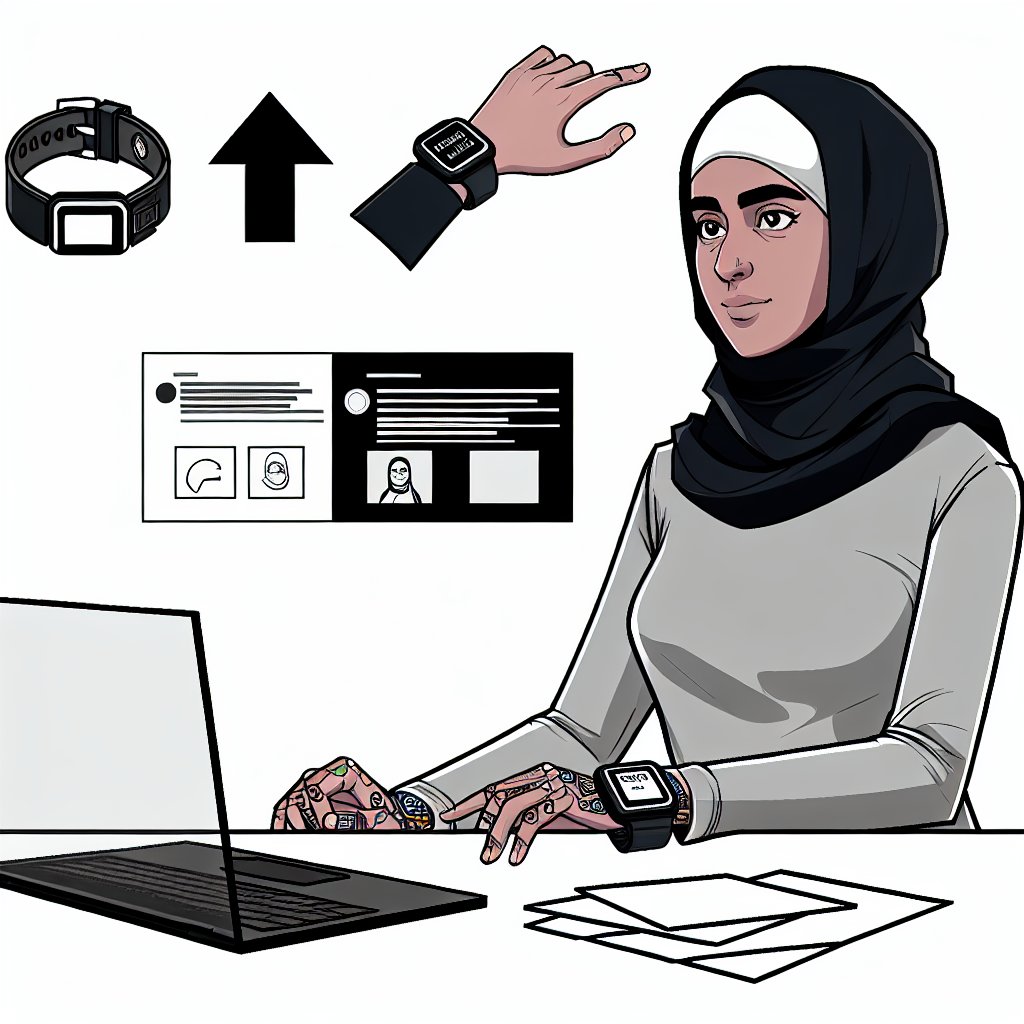
Ethical Considerations and Potential Risks Associated with Biohacking
Ethical Implications of Biohacking
Biohacking raises significant ethical questions that demand attention.
Individuals must consider the impact of self-modification on personal identity.
Privacy concerns emerge when sensitive biological data is shared or stored.
Companies like NeuraGen face scrutiny over transparency of their data policies.
Unequal access to biohacking technologies could widen social inequalities.
Ethical frameworks need development to guide responsible innovation.
Biohackers should evaluate consequences of unregulated experimentation.
Health and Safety Risks
Biohacking involves physical and biological interventions that may pose health risks.
Untrained individuals performing DIY gene editing risk unintended side effects.
Implanting hardware without medical supervision can lead to infections.
Some biohackers experienced complications after embedding RFID chips.
Long-term effects of many enhancements remain unknown.
Consulting healthcare professionals before attempting biohacks is crucial.
Legal and Regulatory Challenges
Regulatory bodies struggle to keep pace with rapid biohacking developments.
Laws governing human enhancement vary widely across jurisdictions.
Biohackers might unknowingly violate regulations during experiments.
Companies such as SynBio Innovations lobby for clearer policies around synthetic biology uses.
Inconsistent oversight complicates enforcement efforts globally.
Biohackers should stay informed about local laws and potential liabilities.
Responsible Practices to Mitigate Risks
Establishing community-led safety guidelines can promote responsible biohacking.
Organizations like the Biohack Alliance offer resources for ethical experimentation.
Key practices include thorough research, risk assessment, and informed consent.
Maintaining open communication with medical professionals enhances safety.
Using properly tested equipment reduces the chance of technical failures.
Encouraging transparency fosters trust between biohackers and society.
Future Trends
Advancements in Wearable Technology
The next generation of wearable devices will provide more accurate biometric data.
Companies like NeuroVibe are developing sensors that track brain activity in real time.
Consequently, users can optimize mental performance and manage stress effectively.
Moreover, these devices will integrate seamlessly with smartphones and smart home systems.
This integration will enable holistic health monitoring throughout the day.
Personalized Nutrition through AI
Artificial intelligence will revolutionize how individuals approach diet and nutrition.
Startups such as NutraSense use AI to analyze blood sugar and recommend personalized foods.
In addition, AI-driven platforms will adapt suggestions based on ongoing health metrics.
Therefore, users will achieve better metabolic health and sustained energy levels.
Furthermore, this technology will reduce trial and error in dietary experiments.
Genetic Editing and Epigenetics
Emerging tools will allow non-invasive genetic testing and modification at home.
BioLabs Innovations is pioneering kits for epigenetic analysis tailored to individual needs.
These advancements will empower users to make lifestyle changes that optimize gene expression.
Subsequently, people may prevent certain diseases by anticipating genetic risks early.
Ethical guidelines will play a crucial role in responsible adoption of these technologies.
Brain-Computer Interfaces Becoming Mainstream
Brain-computer interfaces (BCIs) will move beyond clinical settings into daily life.
NeuraLink Systems is working to commercialize BCIs for enhancing focus and memory.
Users will control devices hands-free, improving productivity and accessibility.
Additionally, BCIs could facilitate new forms of communication and creativity.
However, privacy and data security must be prioritized as this technology evolves.
Emerging Biometric Feedback Tools
New biometric feedback devices will measure stress, hydration, and hormonal changes instantly.
For example, Lumina BioTech offers sensors embedded in clothing for continuous monitoring.
These tools provide actionable insights, helping users adjust behavior throughout their day.
Consequently, individuals can maintain optimal performance in physical and mental tasks.
Integration with AI assistants will enhance personalized recommendations in real time.
Community-Driven Biohacking Platforms
Online biohacking communities will foster collaboration and information sharing globally.
Platforms like VitalSage encourage users to share experiment results and wellness strategies.
These networks accelerate discovery and spread effective biohacking techniques rapidly.
Moreover, collaborative data can improve the development of new tools and apps.
Community support will also increase motivation and adherence to health goals.
Practical Tips for Safely Incorporating Biohacking into Everyday Life
Start with Research and Education
Begin by learning about biohacking methods from trustworthy sources.
Medical professionals like Dr. Clara Jensen offer workshops on safe biohacking.
Additionally, books and podcasts by experts such as Leonard Kim provide valuable insights.
Always verify information and avoid unproven or risky techniques.
Choose Simple and Reliable Techniques
Focus on low-risk biohacking practices like improving sleep and nutrition.
For instance, using wearables from NeuraTrack can monitor sleep quality.
Apps like NutriGuide help tailor your diet for better performance.
Moreover, meditation tools such as CalmWave encourage mental clarity.
Consult Healthcare Professionals Regularly
Talk with your doctor before starting any new biohacking routine.
Dr. Miguel Santos advises personalized plans to prevent health complications.
Regular check-ups ensure your body reacts well to changes.
Therefore, maintain open communication with your healthcare providers.
Set Realistic Goals and Track Progress
Define clear objectives for what you want to achieve through biohacking.
Use journals or digital platforms like LifeLog to record results.
Regularly review your progress and adjust techniques accordingly.
This approach helps maintain motivation and identifies effective strategies.
Prioritize Safety and Ethical Practices
Avoid invasive procedures unless supervised by qualified professionals.
Companies like VitaScan emphasize ethical biohacking tools with safety certifications.
Additionally, respect privacy by securing personal health data properly.
Remember, responsible biohacking protects both your body and wellbeing.
Case Studies of Successful Biohackers Leveraging Technology for Improvement
Enhancing Cognitive Performance with Neurofeedback Technology
Alexandra Reese uses neurofeedback devices to optimize her brain activity.
She tracks her mental states in real time using wearable EEG headsets.
Consequently, she adjusts her focus and relaxation techniques more effectively.
This approach helps her improve concentration during demanding work hours.
As a result, Alexandra reports increased productivity and reduced mental fatigue.
Using Continuous Glucose Monitoring for Optimal Nutrition
Marcus Bennett integrates continuous glucose monitors into his daily routine.
This device enables him to observe his blood sugar responses to different foods.
Therefore, he customizes his diet based on precise metabolic data.
His glucose management leads to sustained energy levels throughout the day.
Moreover, Marcus credits this technology for significant improvements in his fitness.
Sleep Optimization Through Advanced Monitoring Devices
Sophia Lin employs smart sleep trackers to analyze her night rest patterns.
These gadgets provide detailed insights into her sleep stages and interruptions.
Accordingly, she adapts bedtime habits and environmental factors for better rest.
Over time, Sophia experiences deeper sleep and heightened daytime alertness.
This consistent improvement enhances her overall well-being and mood.
Biohacking Physical Endurance with Wearable Fitness Technology
Daniel Ortiz leverages multi-sensor wearables to monitor heart rate and recovery.
This data guides his training intensity and rest periods precisely.
Thus, he reduces the risk of overtraining and injury effectively.
His enhanced endurance contributes to better athletic performance consistently.
Additionally, Daniel combines these insights with nutritional adjustments for maximum impact.
Integrating Genetic Testing to Personalize Health Strategies
Elena Karpova utilizes genetic testing services to understand her biological predispositions.
She uncovers insights related to metabolism, sleep, and nutrient needs.
Therefore, she tailors supplements and lifestyle changes according to her DNA.
This personalized approach prevents common health pitfalls for her demographic.
As a result, Elena achieves a balanced and sustainable wellness regimen.
Additional Resources
“Biohacking” and toxic masculinity? : r/MensLib
The rise of the biocyborg: synthetic biology, artificial chimerism and …
Before You Go…
Hey, thank you for reading this blog post to the end. I hope it was helpful. Let me tell you a little bit about Nicholas Idoko Technologies.
We help businesses and companies build an online presence by developing web, mobile, desktop, and blockchain applications.
We also help aspiring software developers and programmers learn the skills they need to have a successful career.
Take your first step to becoming a programming expert by joining our Learn To Code academy today!
Be sure to contact us if you need more information or have any questions! We are readily available.
We Design & Develop Websites, Android & iOS Apps
Looking to transform your digital presence? We specialize in creating stunning websites and powerful mobile apps for Android and iOS. Let us bring your vision to life with innovative, tailored solutions!
Get Started Today