
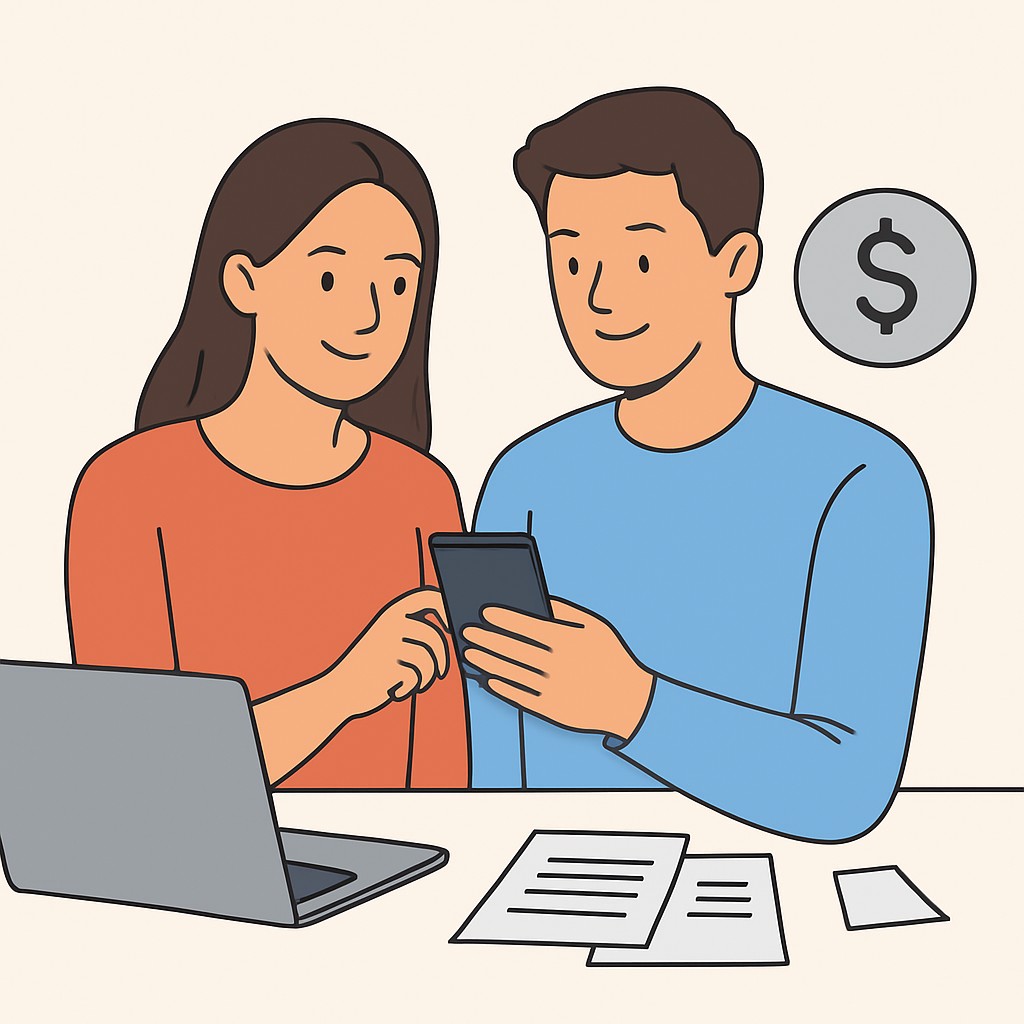

Common Daily Challenges In Bill Payments
Many Nigerians face stressful bill payments every day.
However, bill payment apps reduce these pressures quickly.
Long Queues And Wasted Time
People often spend hours at payment centers.
For example, Sade Akinyemi waits long periods before paying electricity bills.
Meanwhile, traffic adds more delay to her routine.
Bill payment apps remove these long physical queues.
As a result, users pay bills from home or work.
Unstable Payment Channels
Some payment points fail during busy periods.
Also, cashiers sometimes experience network disruptions.
This creates frustration for customers like Chinedu Okafor.
Bill payment apps offer more reliable digital options.
Therefore, users complete payments without repeated trips.
High Transport Costs
Many people spend extra money reaching payment offices.
In addition, repeated visits increase daily expenses.
For families in Lagos and Ibadan, this feels costly.
Bill payment apps reduce transport spending immediately.
Thus, users save money while handling important payments.
Missed Deadlines And Service Disruptions
Busy schedules often cause late bill payments.
Consequently, people risk electricity disconnection or service suspension.
For instance, Adaeze Nwosu once missed a cable renewal.
Bill payment apps send reminders before deadlines.
So, users avoid unnecessary service interruptions.
Stress From Managing Multiple Bills
Households usually pay electricity, internet, cable, and water bills.
Moreover, each provider may require separate steps.
This confuses users like Kunle Balogun during hectic weeks.
Bill payment apps bring multiple services together.
Therefore, users handle several payments in one place.
Limited Access To Payment Centers
Some communities have few nearby payment locations.
Meanwhile, rural residents often travel far for simple transactions.
This challenge affects people in places like Makurdi and Gusau.
Bill payment apps bridge that distance easily.
As a result, users pay without leaving their communities.
Fear Of Errors And Failed Payments
Manual payments can create mistakes in account numbers.
Also, people sometimes receive unclear receipts.
This worries users like Tolu Adebanjo during urgent payments.
Bill payment apps display clear payment details.
Furthermore, they confirm transactions instantly.
- They save time during busy workdays.
- They reduce travel-related expenses.
- They help users avoid late fees.
- They simplify payments for multiple services.
These daily challenges affect comfort, time, and household planning.
However, digital bill payment tools offer practical relief.
Improved Accessibility for Everyday Payments
Bill payment apps make essential services easier to reach for many Nigerians.
They remove the need to visit crowded physical offices.
As a result, users save time and reduce stress.
Access from Different Locations
People can pay bills from home, work, or during travel.
This flexibility helps users in busy cities like Lagos and Port Harcourt.
It also supports residents in smaller towns with fewer service centers.
For example, Chinedu in Enugu can settle electricity charges without leaving his shop.
Support for Busy Schedules
Many users work long hours and cannot wait in payment queues.
Bill payment apps let them complete transactions quickly.
Therefore, they can focus on family, work, and other priorities.
Nneka, a nurse in Abuja, can pay her internet bill after her shift.
Simple Interfaces for Many Users
Most apps use clear menus and easy steps.
This design helps first-time users complete payments confidently.
In addition, helpful prompts reduce errors during transactions.
Even users with limited digital experience can learn fast.
Greater Convenience Through Faster Transactions
Bill payment apps reduce the effort needed to complete routine payments.
They also shorten the time between login and confirmation.
Consequently, users handle more tasks in less time.
Quick Payment Processes
Users usually enter a few details and confirm payment immediately.
This speed helps during urgent situations.
For instance, Aisha in Kano can top up her data before an online meeting.
Similarly, Emeka can pay his TV subscription before a football match starts.
Fewer Physical Tasks
Users no longer need cash withdrawals for every bill.
They also avoid transport costs to payment centers.
Moreover, they reduce contact with long queues and manual paperwork.
This convenience matters greatly during rainy weather and heavy traffic.
Multiple Bills in One Place
Many apps allow users to pay electricity, water, data, and television bills together.
This arrangement simplifies monthly planning.
It also helps users track expenses more easily.
Therefore, families can manage household needs with less confusion.
Practical Benefits for Daily Life
Bill payment apps improve everyday routines in clear and useful ways.
They help users avoid delays, missed payments, and unnecessary movement.
In addition, they create a smoother payment experience overall.
- Users pay bills anytime, including weekends and late nights.
- They complete transactions without traveling across town.
- They manage several services from a single app.
- They receive instant alerts after successful payments.
- They reduce pressure from crowded payment points.
Better Control Over Household Planning
Families can schedule payments around salary dates.
This habit helps them avoid service interruptions.
Furthermore, they can set reminders for recurring bills.
Blessing in Ibadan, for example, keeps her power and internet active this way.
Useful for Students and Young Professionals
Students often need fast access to data and electricity.
Bill payment apps help them stay connected for studies and work.
Young professionals also value the independence these tools provide.
Thus, they can handle expenses without depending on others.
Why Convenience Matters in Nigeria
Nigeria’s daily life often involves traffic, distance, and busy schedules.
Bill payment apps respond to these challenges with practical solutions.
They make payments faster, simpler, and more accessible.
As a result, users gain more control over their time and responsibilities.
How Bill Payment Apps Reduce Long Queues
Bill payment apps help Nigerians avoid long queues at payment centers.
They let users pay from home, office, or while commuting.
As a result, people save time and reduce stress.
Faster Payments From Any Location
Users can open an app and complete payments in minutes.
They do not need to travel to crowded offices.
Meanwhile, they can handle electricity, TV, and internet bills quickly.
This convenience improves daily routines for workers and families.
Less Time Spent Waiting in Crowded Spaces
Many people waste hours standing in line at bill offices.
However, apps remove that waiting completely.
Customers avoid heat, noise, and frustration at service points.
Therefore, they use their time for more useful activities.
Simple Digital Steps Replace Physical Visits
Bill payment apps guide users through clear payment steps.
They show bill amounts, account details, and payment confirmation.
Then, users finish transactions without speaking to a cashier.
This process reduces errors and speeds up service delivery.
Everyday Benefits for Busy Nigerians
Bill payment apps support people with tight schedules.
They help employees, traders, and parents manage payments easily.
Consequently, users stay focused on important responsibilities.
Better Use of Working Hours
Many Nigerians cannot leave work during business hours.
Bill payment apps solve that problem effectively.
For example, Ngozi Okafor pays her electricity bill during lunch break.
She avoids office queues and returns to work on time.
Support for Small Business Owners
Business owners often lose revenue when they stand in long lines.
Apps help them pay bills without closing their shops.
Moreover, they can complete transactions after sales hours.
This flexibility protects income and improves productivity.
Why Digital Payments Feel More Reliable
Bill payment apps also reduce uncertainty during payment processing.
They provide instant receipts and transaction records.
Therefore, users trust the process more easily.
Clear Records and Confirmation
Customers receive proof of payment immediately.
They can save records for future reference.
In addition, they avoid repeated visits to resolve payment disputes.
This transparency builds confidence in digital bill payments.
Fewer Delays During Peak Periods
Queues grow longer during weekends and month-end periods.
However, bill payment apps handle heavy demand better.
Users can pay at any time without crowd pressure.
As a result, service access becomes smoother and faster.
Practical Effects on Daily Life
Bill payment apps make routine tasks easier across Nigeria.
They reduce physical stress and improve schedule control.
Furthermore, they support a more efficient lifestyle.
- They cut travel time to payment centers.
- This reduces crowd-related stress and fatigue.
- Users can pay at convenient hours.
- Apps help users manage multiple bills in one place.
Helpful for Families and Elderly Users
Families can split payment duties more easily with apps.
Older users also benefit from fewer trips outside.
Moreover, younger relatives can assist them remotely.
This support makes bill payment more accessible for many households.
Improved Customer Experience for Service Providers
Service providers also benefit from shorter physical queues.
They serve more customers without overcrowding their offices.
Additionally, they spend less time on manual processing.
This efficiency helps them improve overall customer satisfaction.
Learn More: Why Serious Nigerian Brands Avoid Generic Platforms
Security Features That Build Trust
Bill payment apps in Nigeria must protect users from fraud.
Therefore, strong security features create confidence during every transaction.
Users trust apps that guard their money and personal details.
Encryption for Safer Transactions
Encryption scrambles sensitive data during transmission.
As a result, hackers find it harder to intercept information.
Apps like PayZen Africa and QuickTeller use this protection carefully.
Moreover, encryption helps users feel safer when paying bills.
Two-Factor Authentication
Two-factor authentication adds another login step.
Usually, users enter a password and a one-time code.
Consequently, thieves cannot access accounts easily.
This feature reassures Chinedu, a Lagos trader, after each login.
Biometric Verification
Biometric verification uses fingerprints or facial recognition.
Therefore, only the real user can approve payments quickly.
Many Nigerians prefer this method because it feels simple.
It also reduces the risk of password theft.
Fraud Detection Systems
Fraud detection systems monitor unusual payment behavior.
For example, they may block suspicious airtime purchases.
Then, the app alerts the user immediately.
This quick response protects users like Amina Okafor from losses.
Transaction Alerts and Notifications
Instant alerts help users track every payment.
They receive messages through SMS or email.
Therefore, they notice unauthorized activity faster.
These updates also give users clear payment records.
Secure PIN and Password Controls
Strong PINs and passwords limit unauthorized access.
However, apps also encourage users to change them regularly.
They may reject weak combinations during setup.
As a result, accounts remain harder to breach.
Data Privacy Protection
Good apps collect only necessary user information.
In addition, they explain how they store that data.
This transparency matters to users and businesses alike.
For instance, Rukayat Bello trusts apps that respect privacy.
Secure Payment Gateways
Secure payment gateways process transactions safely.
They connect banks, wallets, and billers through protected channels.
Therefore, users can pay electricity and internet bills with confidence.
Reliable gateways also reduce payment failures and delays.
Account Recovery and Lock Features
Recovery tools help users regain access after lockouts.
Meanwhile, temporary account locks stop repeated failed logins.
This feature protects users from brute-force attacks.
It also shows that the app values account safety.
User Education and Safety Tips
Security grows stronger when users understand safe habits.
So, apps often share tips against phishing and fake links.
They also warn users about public Wi-Fi risks.
Ultimately, informed users make bill payment apps more trustworthy.
You Might Also Like: Why Facility Management Tools Are Needed In Nigeria
Financial Inclusion Through Bill Payment Apps
Bill payment apps help Nigerians access essential services faster.
Also, these apps reduce the stress of traveling for simple transactions.
As a result, more people join the formal financial system.
Making Daily Payments Easier
Many users pay electricity, water, and television bills from home.
This convenience saves time for traders, farmers, and office workers.
Moreover, it lowers transport costs for busy families.
For example, Ngozi Eze in Enugu now pays bills after work.
She no longer queues at payment centers across the city.
Reaching Rural Communities
Bill payment apps now support people in remote Nigerian communities.
They work through mobile phones and agent networks.
Therefore, villagers can pay without visiting distant towns.
Chinedu Okafor in Kogi State uses an app through a local agent.
He pays his electricity bill without losing market hours.
Supporting Urban Convenience
Urban residents also benefit from faster and safer digital payments.
They avoid crowded offices and long waiting periods.
In addition, they track spending more easily through transaction records.
Companies like PayWise Nigeria and QuickTap have improved this experience.
However, reliable internet still shapes the quality of service.
Helping People Build Financial Habits
These apps encourage users to save payment details and plan expenses.
Therefore, families manage monthly budgets with greater confidence.
They also receive reminders that reduce late payments.
This habit strengthens trust in digital financial tools.
Furthermore, it helps users move toward wider banking services.
Increasing Trust in Digital Services
People often fear fraud when they start using financial apps.
However, secure platforms reduce that worry with alerts and verification.
Clear receipts also help users confirm successful transactions quickly.
As trust grows, more Nigerians adopt digital payment methods.
That growth expands financial inclusion across different income groups.
Overcoming Rural Barriers
Some rural areas still face poor network coverage and limited smartphones.
Even so, agents and lightweight apps continue to bridge the gap.
Community leaders like Amina Bello in Nasarawa promote these services locally.
They show residents how digital payments can simplify daily life.
Consequently, more households gain access to modern financial tools.
- They reduce travel time for essential payments
- Also, they support budgeting and record keeping
- Additionally, they expand access for rural and urban users
- They encourage trust in digital finance
Bill payment apps connect more Nigerians to financial services.
They create practical solutions for daily needs in cities and villages.
Therefore, these tools remain important for inclusive growth.
Explore Further: Why Logistics Platforms Are Essential In Nigeria Today
Cost-effectiveness of Using Bill Payment Apps Compared to Traditional Methods
Lower Direct Payment Costs
Bill payment apps often reduce transaction fees.
They also help users avoid repeated transport expenses.
As a result, households keep more money for daily needs.
For example, Adaeze in Enugu saves on taxi fares every month.
Reduced Time and Opportunity Costs
Traditional payments can waste several productive hours.
However, bill payment apps complete tasks within minutes.
This speed helps workers focus on business and family duties.
Meanwhile, traders like Ibrahim in Kano avoid closing stalls early.
Fewer Hidden Expenses
Traditional methods often include unplanned costs.
People may pay parking fees, queue charges, or service delays.
In contrast, apps display charges clearly before payment.
Therefore, users make smarter financial decisions.
Better Budget Control
Bill payment apps help users track every transaction.
They also send receipts and reminders automatically.
Consequently, families manage monthly bills with greater accuracy.
For instance, Chinedu in Port Harcourt plans electricity and data expenses easily.
Lower Travel Burden
People often travel long distances for traditional bill payments.
This creates extra fuel and transport costs.
However, apps remove the need to visit physical offices.
Thus, users save money and reduce stress.
Practical Savings for Different Users
Students, workers, and small business owners all benefit financially.
They avoid unnecessary spending and repeated payment trips.
Moreover, many apps offer discounts and cashback rewards.
As a result, users like Blessing and Tunde gain added value.
Why Savings Matter in Nigerian Households
Rising living costs make every naira important.
Therefore, affordable payment methods improve household stability.
Bill payment apps support this need through convenience and savings.
In turn, families can direct more money toward food, rent, and school fees.
- They reduce transport expenses.
- They limit hidden payment charges.
- They save time for income-generating activities.
- They improve monthly budgeting habits.
You Might Also Like: How Media Buying Platforms Help Brands In Nigeria
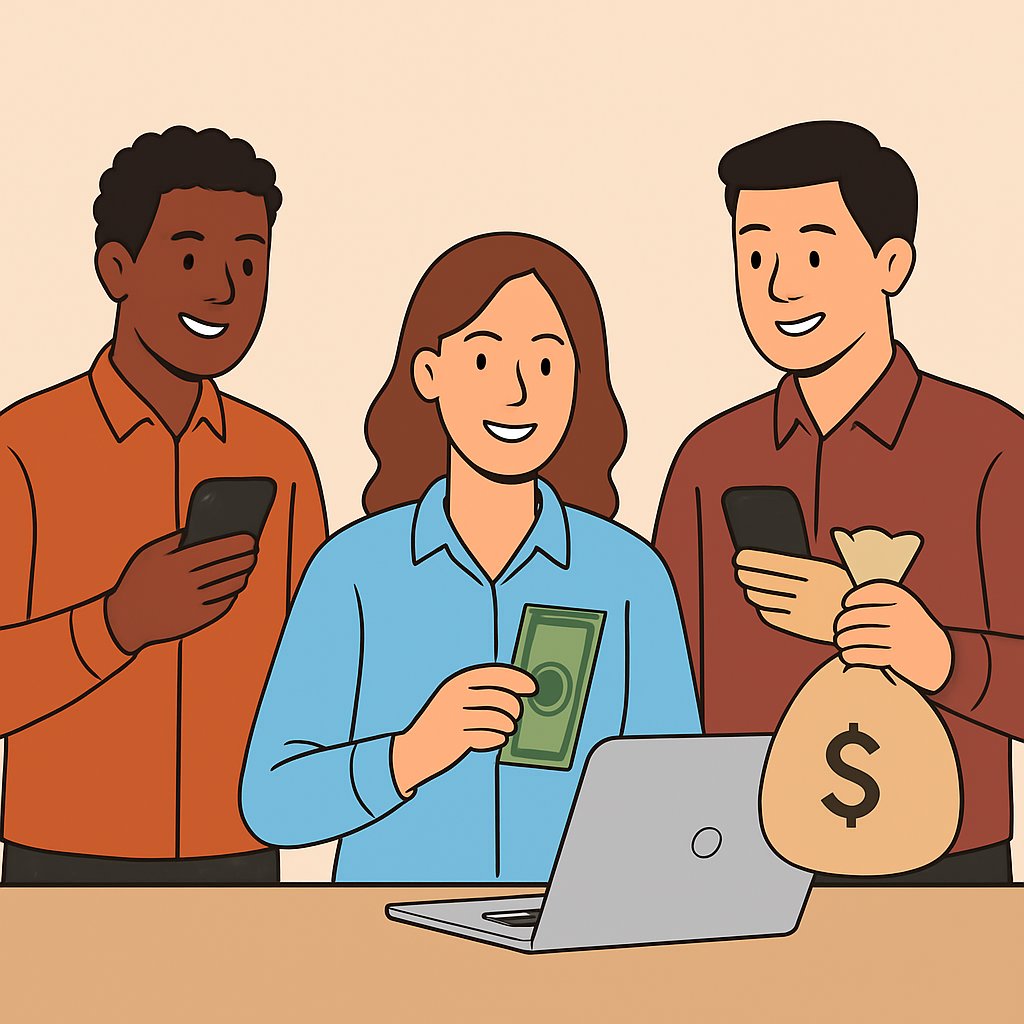
Integration of Multiple Utility Services Within a Single App
Bill payment apps simplify daily life for many Nigerians.
They gather multiple utility services into one convenient place.
As a result, users save time and avoid stress.
One Dashboard for Everyday Payments
Users can access electricity, water, internet, and cable payments from one screen.
This setup removes the need for several separate apps.
Moreover, it reduces confusion during busy days.
Chinedu Okafor now pays his bills before work in minutes.
Meanwhile, his wife, Aisha Bello, manages household payments with the same app.
Faster Access to Essential Services
A single app speeds up payment routines for households and businesses.
Users no longer switch between different platforms.
Instead, they complete transactions quickly and move on.
Therefore, they spend less time waiting and more time on priorities.
Common Utilities Available in One Place
Many apps support a wide range of daily services.
- Electricity token purchases
- Cable television renewals
- Internet and data subscriptions
- Water bill payments
- Waste management fees
Additionally, some apps support rent and school fee payments.
This flexibility makes them useful for many families.
Simple Navigation for Busy Users
Developers design these apps with clear menus and icons.
Therefore, users find services without technical difficulty.
In addition, search tools help users locate specific providers quickly.
For example, Mercy Nwosu can renew her internet plan in seconds.
Likewise, Tunde Igbinoba can top up electricity without calling support.
Reliable Payment Records and Tracking
Apps usually store payment history for easy reference.
Users can confirm past transactions anytime.
Also, digital records help when disputes arise.
This feature supports better budgeting and accountability.
Furthermore, it helps families track monthly utility expenses.
Better Control Over Household Budgets
Multiple service integration helps users manage money more effectively.
They can compare bills before paying them.
As a result, they make smarter spending decisions.
Some apps also send reminders before due dates.
Therefore, users avoid late fees and service interruptions.
Reduced Dependence on Physical Payment Points
Many Nigerians face long queues at payment offices.
However, integrated apps reduce that burden significantly.
Users can pay from home, work, or on the road.
This convenience benefits traders, parents, and remote workers alike.
Moreover, it supports users in areas with limited service centers.
Improved Experience for Small Businesses
Small business owners also gain from integrated bill payment apps.
They can handle office internet, power, and waste payments quickly.
Consequently, they focus more on customers and growth.
Kunle Adeyemi, who runs a printing shop in Ibadan, prefers one app.
It helps him keep operations steady without unnecessary delays.
Secure and Convenient Service Handling
Trusted apps use secure payment systems for user protection.
They also offer confirmation messages after every transaction.
Therefore, users feel more confident about their payments.
In addition, support teams help resolve issues quickly.
This combination builds trust and encourages regular use.
Time-Saving Benefits Of Bill Payment Apps
Faster Payments For Busy Schedules
Bill payment apps reduce the time people spend handling routine bills.
Apps let users pay electricity, internet, and TV subscriptions quickly.
As a result, users avoid long queues and crowded service centres.
This speed helps workers like Chinedu and Amina stay focused on daily tasks.
Less Travel, More Useful Time
Many Nigerians waste hours moving from one payment point to another.
However, bill payment apps remove that travel burden.
Users can complete payments from home, work, or on the road.
Therefore, people save fuel, transport costs, and valuable energy.
Simple Reminder Features
Bill payment apps often send alerts before due dates.
These reminders help users pay on time without extra stress.
Consequently, people avoid rushed trips and last-minute panic.
This system helps professionals like Damilola manage packed schedules better.
How Bill Payment Apps Improve Productivity
Better Focus On Important Work
When people spend less time on bills, they gain more time for work.
They can then focus on business, studies, or family responsibilities.
Moreover, improved focus supports better daily performance.
For example, Ngozi can serve more clients instead of standing in payment lines.
Helping Small Businesses Run Smoothly
Small business owners use bill payment apps to keep operations moving.
They pay utility bills quickly and avoid service interruptions.
In addition, owners reduce delays that can disturb customers.
That reliability helps shops, salons, and agencies maintain steady productivity.
Reducing Stress And Mental Distraction
Late bill payments often create stress and mental distraction.
Apps reduce that pressure through quick and organised transactions.
As a result, users think more clearly throughout the day.
This calm mindset supports smarter decisions and better output.
Practical Ways Nigerians Use These Apps
Household Management
Families use bill payment apps to manage regular home expenses.
They pay for power, water, and internet without leaving the house.
Therefore, parents save time for children and other household duties.
This convenience benefits homes in Lagos, Enugu, and Port Harcourt alike.
Supporting Students And Young Workers
Students and young workers rely on bill payment apps for convenience.
They handle subscriptions and utility payments between classes or office hours.
Furthermore, they avoid missing deadlines because of busy routines.
That flexibility helps them balance learning, earning, and personal growth.
Why Convenience Matters In Daily Life
More Control Over The Day
Bill payment apps give users greater control over their time.
People can choose when to pay instead of following bank opening hours.
Additionally, users can complete several payments within minutes.
This control creates room for better planning and smoother days.
Reliable Support For Modern Living
Modern life demands speed, and bill payment apps answer that need well.
They support people who juggle work, family, and personal goals.
Moreover, apps reduce avoidable delays in everyday responsibilities.
That efficiency makes life easier for users like Tunde and Hauwa.
Challenges Faced in Adopting Bill Payment Apps
Many Nigerians still hesitate to trust bill payment apps.
However, these concerns often come from past bad experiences.
Poor Network Connectivity
Unstable internet makes transactions slow and frustrating.
Sometimes, users like Chika Nwosu lose confidence after failed payments.
In addition, weak network access affects rural communities more severely.
Therefore, app developers must optimize apps for low-bandwidth conditions.
Fear of Failed or Delayed Transactions
Users worry when money leaves their accounts without immediate confirmation.
For example, Tunde Adebayo may panic after a delayed electricity payment alert.
Also, repeated transaction failures discourage future app use.
Clear payment tracking can reduce this fear significantly.
Limited Trust in Digital Services
Many people still doubt the safety of online financial platforms.
Unfortunately, scams and fraud stories strengthen this suspicion.
As a result, users prefer cash-based methods whenever possible.
Strong security messaging can help rebuild trust gradually.
Low Digital Literacy
Some users struggle to navigate app menus and payment steps.
Meanwhile, older adults often need extra guidance during setup.
For instance, Mrs. Ifeoma Okafor may avoid apps she finds confusing.
Simple designs and local-language support can solve this problem.
Device and Storage Limitations
Many users own phones with limited storage or weak performance.
Consequently, large apps may crash or refuse to install.
This challenge affects students and traders across busy cities.
Lightweight app versions can improve access for more people.
Concerns About Hidden Charges
Some apps add unexpected fees during bill payments.
Therefore, users feel cheated when totals rise without warning.
Transparent pricing builds confidence and encourages repeat use.
Clear fee displays should appear before final confirmation.
Strategies to Overcome Adoption Barriers
Bill payment platforms can grow faster with practical improvements.
Moreover, businesses must address user concerns with care and consistency.
Improve User Education
Companies should teach users how apps work through simple tutorials.
For example, Lagos-based startup KudiPay can use short video guides.
Additionally, community workshops can help people learn faster.
When users understand the process, they adopt apps more confidently.
Strengthen Security Measures
Developers must protect accounts with strong verification tools.
Two-factor authentication can reduce unauthorized access risks.
Furthermore, regular security updates protect users from emerging threats.
Visible safety features reassure customers during every transaction.
Offer Reliable Customer Support
Quick support helps users recover from payment problems.
For instance, a responsive team at PaySwift can calm worried customers.
Live chat, phone lines, and WhatsApp support improve accessibility.
Prompt assistance turns frustration into loyalty.
Design Simple Interfaces
Clean layouts help users complete payments without confusion.
However, cluttered screens often slow down first-time users.
Simple buttons and clear labels improve navigation immediately.
In addition, local language options make apps friendlier.
Partner With Trusted Institutions
Banks, cooperatives, and telecom companies can boost credibility.
For example, partnerships with Access Bank or MTN can attract hesitant users.
Trusted brands make digital payments feel safer.
Consequently, more people will try the service.
Provide Incentives for First Use
Discounts and cashback offers can encourage trial adoption.
Meanwhile, referral rewards can spread awareness quickly.
These incentives reduce hesitation and create positive first impressions.
After that, users often return for convenience.
Support Offline and Low-Data Features
Apps should consume minimal data during basic transactions.
Additionally, offline reminders can help users complete payments later.
This approach supports users in areas with weak internet access.
As a result, more Nigerians can use bill payment apps daily.
Future Prospects and Innovations in Bill Payment Solutions for Nigeria
Smarter Automation and Personalization
Bill payment apps will soon predict user needs more accurately.
Apps will track spending habits and suggest timely payments.
Consequently, users should avoid late fees and service interruptions.
Companies like PayPorte Pay and KoraPay already explore smarter payment experiences.
Future versions will feel more personal and more intuitive.
They will send reminders timed to salary cycles and usage.
Broader Service Integration
Future apps will combine more services inside one platform.
Users will pay electricity, internet, transport, and school fees easily.
In addition, they will handle taxes and government levies faster.
This wider integration will reduce app switching and save time.
For example, a Lagos trader may pay power and warehouse bills together.
Therefore, daily financial management will become simpler and faster.
Stronger Local Payment Infrastructure
Bill payment solutions will improve as Nigeria strengthens digital infrastructure.
They will connect better with banks, mobile money, and fintech networks.
Moreover, faster settlements will reduce transaction delays and failed payments.
Providers like Flutterwave and Remita will likely shape this progress.
They can support smoother transfers across different payment channels.
Consequently, more users will trust digital bill services for daily use.
Artificial Intelligence and Fraud Detection
Artificial intelligence will help apps detect suspicious activity early.
The system will flag unusual payments and protect user accounts.
Meanwhile, machine learning will improve support responses and issue resolution.
Apps can also guide users with smart budgeting suggestions.
For instance, Amina in Kaduna could receive alerts before overspending.
Therefore, users will gain both convenience and stronger security.
Voice and Conversational Payments
Voice commands will make bill payments easier for more Nigerians.
Users will speak to apps instead of typing long instructions.
Likewise, chatbots will answer questions and complete payment steps quickly.
This feature will help older adults and first-time digital users.
For example, a user could say, “Pay my PHCN bill now.”
Then the app will process the request with minimal effort.
Offline Access and Low-Data Options
Many future apps will work better in low-network areas.
They will support lightweight interfaces and low-data transactions.
In addition, they may offer USSD and SMS backup options.
This approach will serve users in rural communities and crowded markets.
It will also reduce frustration during network outages.
So, more Nigerians will access bill services without relying on strong internet.
Financial Inclusion and Small Business Support
Bill payment innovation will support informal workers and small businesses.
Market women, artisans, and freelancers need flexible payment tools.
Therefore, apps will likely offer split payments and budget tracking.
They may also include invoice tools for microbusinesses.
For example, Chinedu, a printer in Enugu, could track monthly utility costs.
As a result, financial planning will become more practical for everyday entrepreneurs.
Regulation, Trust, and Consumer Protection
Future growth will depend on stronger regulation and consumer protection.
Users need clear refund policies and reliable dispute resolution.
Furthermore, regulators must keep platforms transparent and accountable.
This will build trust among cautious users across the country.
Companies such as Paga and Opay may lead with better compliance systems.
Ultimately, trust will shape how quickly Nigerians adopt new payment tools.
- Smarter reminders will reduce missed payments.
- Integrated services will simplify daily financial tasks.
- AI tools will improve fraud protection and support.
- Offline features will expand access in underserved areas.
- Better regulation will strengthen user confidence.
Green and Sustainable Digital Services
Future bill payment platforms may also support sustainability goals.
They will reduce paper use and physical travel to payment centers.
Moreover, digital receipts will help users store records easily.
This shift will lower congestion and save transport costs.
Consequently, bill payments will become cleaner and more efficient.
In the long run, digital habits will support both convenience and environmental care.
Additional Resources
5 Bill Payment Challenges in Nigeria and How to Overcome Them
Beyond the Complaints: How OPay Really Shows Up for Millions of Nigerians Every Day
Before You Go…
Hey, thank you for reading this blog post to the end. I hope it was helpful. Let me tell you a little bit about Nicholas Idoko Technologies.
We help businesses and companies build an online presence by developing web, mobile, desktop, and blockchain applications.
We also help aspiring software developers and programmers learn the skills they need to have a successful career.
Take your first step to becoming a programming expert by joining our Learn To Code academy today!
Be sure to contact us if you need more information or have any questions! We are readily available.
We Design & Develop Websites, Android & iOS Apps
Looking to transform your digital presence? We specialize in creating stunning websites and powerful mobile apps for Android and iOS. Let us bring your vision to life with innovative, tailored solutions!
Get Started Today