


Overview of Nigeria’s Current Digital and Financial Landscape
Mobile devices drive most everyday digital interactions.
Banks, mobile money services, and cash coexist in everyday transactions.
Network coverage gaps limit service reach in some regions.
Digital Access and Connectivity
Moreover, internet use continues to expand across demographics.
However, connectivity quality varies between urban and rural areas.
Additionally, power reliability affects consistent digital access.
Financial Inclusion and Payment Behavior
Consequently, people use multiple channels for payments and transfers.
Furthermore, many consumers seek faster digital payment options.
Also, trust and convenience guide payment method choices.
- Bank transfers offer direct account-to-account movement.
- Mobile money provides wallet-based transactions.
- Cash remains widely used for informal payments.
- Agent networks enable physical cash-in and cash-out services.
Infrastructure and Operational Challenges
Moreover, intermittent power disruptions impact digital service reliability.
Additionally, logistical hurdles affect physical cash handling and collections.
Therefore, scalability requires resilient technical and operational systems.
Regulatory and Trust Considerations
Authorities oversee financial services to maintain system stability.
Furthermore, providers must address security and consumer protection concerns.
Also, clear policies affect market entry and product rollout.
Implications for Bill Payments Applications
A dedicated bill payments app can simplify routine payments.
Moreover, such apps can centralize different billers in one place.
However, adoption depends on perceived value and ease of use.
Therefore, apps must prioritize security, reliability, and user experience.
Additionally, partnerships with payment networks can expand reach and trust.
Growth of Smartphone and Internet Penetration
Users increasingly rely on apps for daily tasks and services.
Therefore, app-based interactions now shape many consumer experiences.
In addition, people expect quick and convenient transaction flows on mobiles.
Device Adoption Trends
Smartphone ownership has expanded across diverse population segments.
Additionally, more affordable devices have lowered barriers to mobile access.
Consequently, everyday mobile usage increased in both urban and rural areas.
Internet Access Patterns
Mobile internet now serves as a primary access channel for many people.
Moreover, network coverage has extended into previously underserved locations.
Furthermore, improvements in data accessibility support regular online activity.
Mobile Usage Behavior
- Convenience in performing payments from anywhere.
- Speed in completing transactions and confirmations.
- Security and trust when handling financial information.
Opportunities for Mobile Bill Payments
This digital growth creates opportunities for mobile-first payment solutions.
Consequently, bill payments apps can reach wider user segments efficiently.
Moreover, app delivery models support real-time updates and user engagement.
This growth complements broader digital and financial developments.
Challenges Faced by Nigerians in Traditional Bill Payment Methods
Nigerians face multiple obstacles when using traditional bill payment methods.
Physical, financial, technical, trust, accessibility, and operational factors all contribute.
The following sections describe these challenges with specific examples.
Physical and Time Barriers
Many people travel long distances to reach payment points.
Consequently, they spend significant time waiting in queues.
Also, agencies often operate only during limited hours.
Therefore, working individuals find it difficult to pay during those times.
Build The Software Your Business Needs To Grow
The next stage of your business will need better systems, smarter automation, and stronger digital tools. We help businesses turn ideas into websites, apps, and software platforms built for growth, revenue, and long-term scale.
Build For GrowthFinancial and Cost Barriers
Cash handling remains common at many payment counters.
As a result, users incur transport and opportunity costs.
Additionally, some channels charge extra fees for service processing.
Technical and Systemic Issues
Multiple billing systems cause confusion during payments.
Payment errors can lead to delayed confirmations for users.
Furthermore, system outages disrupt payment processing unpredictably.
Customer Experience and Trust Issues
Many customers receive unclear payment receipts and records.
Consequently, reconciliation becomes time consuming for payers.
Also, limited customer support complicates dispute resolution.
Moreover, some users worry about secure handling of their payments.
Accessibility and Inclusion Challenges
Physical disabilities and mobility issues restrict access to payment centers.
Similarly, people with limited literacy encounter difficulty navigating processes.
Therefore, certain groups experience barriers to timely bill settlement.
Operational Fragmentation
Different providers use varied payment channels and procedures.
As a result, users must manage multiple accounts or receipts.
Furthermore, agents sometimes apply inconsistent service standards.
Find Out More: How Custom Design Helps Nigerian Brands Stand Out
How a Bill Payments App Offers Convenience and Accessibility
Digital bill payment apps simplify routine financial interactions.
They provide unified access to multiple services in one place.
Users benefit from faster workflows and clearer payment records.
Streamlined Daily Payments
People can finish several bills during one session.
As a result, they spend less time on routine tasks.
The app keeps payment history organized for later checks.
Improved Accessibility for More Users
The app supports users who prefer digital payment channels.
It can reduce the need to travel to physical payment points.
Furthermore, a simple interface can help users with varying skills.
Features That Enhance Convenience
The app lists bills and provides payment options together.
It stores payment receipts for quick access later.
Automated reminders help users avoid missed due dates.
Flexible Access Channels
Users can access the service from various devices they have available.
Therefore, people may pay bills whenever they find spare time.
Also, the app supports quick payments during short breaks.
Security and Trust Signals
The app protects payment information using standard security practices.
Consequently, users may feel more confident completing transactions digitally.
These measures aim to safeguard credentials and payment data from misuse.
Supporting Inclusion
The app design can accommodate varied user preferences and abilities.
Moreover, customer support options can assist users unfamiliar with the app.
Clear guidance helps people learn features and complete payments confidently.
See Related Content: Signs Your Nigerian Brand Needs A Custom Digital Build
Security Features Crucial for Bill Payments Apps in Nigeria
Security builds confidence in digital bill payments across the country.
Build The Software Your Business Needs To Grow
The next stage of your business will need better systems, smarter automation, and stronger digital tools. We help businesses turn ideas into websites, apps, and software platforms built for growth, revenue, and long-term scale.
Build For GrowthEncryption protects sensitive information from interception.
Real-time transaction monitoring helps detect suspicious activity quickly.
Authentication and Access Control
Authentication forms the first line of defense.
Apps should implement multi-factor authentication options.
Biometric methods can enhance security while improving usability.
Encryption and Data Protection
Apps must encrypt data both in transit and at rest.
Tokenization reduces exposure of actual payment credentials.
Encryption protects stored and transmitted user information from interception.
Transaction Monitoring and Fraud Prevention
Fraud detection systems should flag anomalies for review.
Automated alerts can prompt rapid investigation and response.
Device and Session Security
Apps should enforce secure session management to prevent hijacking.
App updates must patch vulnerabilities promptly.
Device binding and trusted device checks can add security layers.
Operational Security and Compliance
Developers should perform regular security audits and penetration testing.
Clear incident response plans enable timely handling of breaches.
Apps should comply with applicable legal and regulatory requirements.
User Education and Transparency
User trust depends on transparency about security practices.
Apps should communicate safeguards and steps for reporting issues.
Simple guides can help users avoid scams and phishing attempts.
Security Implementation Checklist
Implement multi-factor authentication and optional biometric verification.
Encrypt data in transit and at rest using strong algorithms.
Use tokenization to minimize exposure of payment credentials.
- Implement multi-factor authentication and optional biometric verification.
- Encrypt data in transit and at rest using strong algorithms.
- Use tokenization to minimize exposure of payment credentials.
- Deploy real-time monitoring and automated anomaly detection.
- Schedule regular security audits and vulnerability assessments.
- Maintain an incident response plan and clear communication channels.
- Educate users about common threats and safe payment practices.
- Secure APIs and third-party integrations through strict access controls.
Building Confidence Through Security
Robust features should form the backbone of any payments app.
Transparent practices help users understand the protections in place.
Learn More: How Dating Apps Solve Real Problems For Nigerians
Integration of Multiple Billers and Service Providers
Integration connects many billers and service providers on a single platform.
This centralization reduces friction for users and providers.
It enables unified management of payments and records.
User Experience Benefits
A single platform reduces switching between payment channels.
All payable items appear in a consolidated interface for users.
- The dashboard can show consolidated balances and due dates.
- Users can search and filter bills by provider or category.
- The app can enable scheduled payments and reminders.
- Push notifications can inform users about status changes and confirmations.
The app can organize bills by due date, amount, or provider.
Users save time and reduce payment errors.
Operational Benefits for Providers
Providers can reach customers through a unified distribution channel.
The platform can streamline reconciliation and settlement processes.
Providers may benefit from standardized billing formats and APIs.
Technical Considerations for Integration
The platform should support multiple connection methods for providers.
Moreover, the system must handle varying data formats and update frequencies.
Robust mapping and transformation logic becomes necessary.
Scalability must accommodate growing numbers of providers and transactions.
Onboarding and Provider Management
A clear onboarding workflow helps add new billers efficiently.
Build The Software Your Business Needs To Grow
The next stage of your business will need better systems, smarter automation, and stronger digital tools. We help businesses turn ideas into websites, apps, and software platforms built for growth, revenue, and long-term scale.
Build For GrowthThe platform can include tools for testing and certification.
Simplified management interfaces help maintain provider information and offerings.
Unified Billing, Receipts, and Records
The app can present consolidated receipts for multiple payments.
Unified records help users track expenses over time.
The platform supports easier budgeting and record keeping.
Customer Support and Dispute Resolution
Integrated systems enable centralized support for payment issues.
They also handle billing issues through shared workflows.
Shared logs assist in faster dispute investigation and resolution.
Flexibility and Future Expansion
A modular integration approach allows adding new services without major overhauls.
The platform can adapt to evolving service provider needs.
This flexibility supports long term platform relevance.
See Related Content: What To Know Before Starting E-commerce In Nigeria
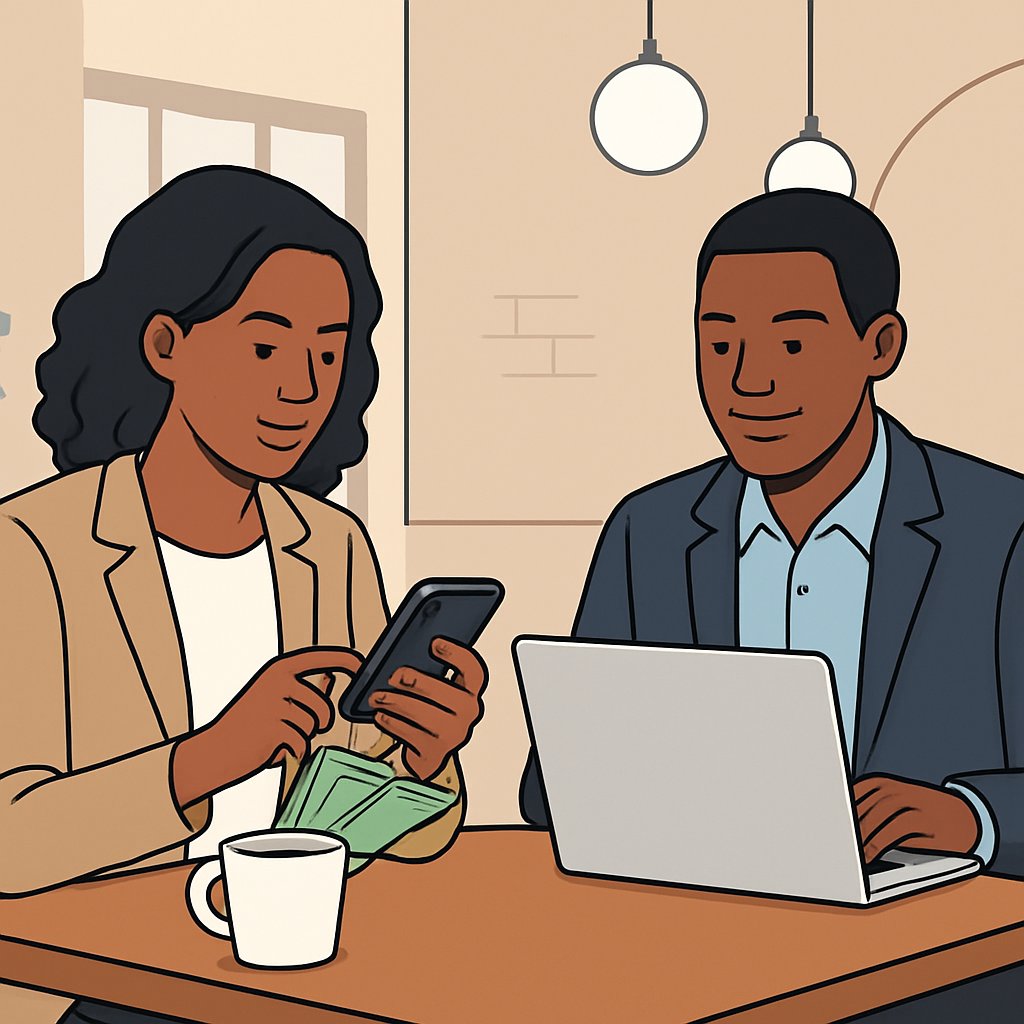
Cost-effectiveness and Time-saving Benefits
This section covers cost and time benefits of bill payments apps.
It highlights direct and indirect cost reductions.
Additionally, the section describes features that speed recurring tasks.
Lower Direct Costs
Apps often lower transaction-related expenses compared to traditional methods.
Users then spend less on travel and physical service fees.
Lower fees increase affordability for routine payments.
Reduced Indirect Costs
Automation reduces manual errors and the need for corrective actions.
This reduction limits time spent on error correction tasks.
Consequently, users save time that would otherwise go to reconciliation.
Time-saving Features
Apps include features that streamline recurring tasks.
They automate scheduled payments on chosen dates.
Users can create reusable templates to avoid repetitive entry.
- Schedule payments to occur automatically on chosen dates.
- Create reusable templates to avoid repetitive data entry.
- Process multiple billers in one session to reduce transaction time.
- Receive immediate confirmations and digital receipts after each transaction.
- Search past payments quickly to support personal accounting needs.
Practical User Benefits
Users free up time for work, family, or other priorities.
Small time savings accumulate into meaningful benefits over time.
Those gains allow users to focus on higher value tasks.
Value for Different User Types
Individuals and businesses both gain from lower costs and faster transactions.
The savings help casual and frequent users manage expenses better.
Repeated use increases returns on time invested learning the app.
Role of Bill Payments Apps in Promoting Financial Inclusion
Bill payments apps help create verifiable digital transaction records.
These records allow users to prove consistent financial activity.
Service providers can assess user financial needs using records.
Expanding Access to Formal Financial Identity
Transaction histories serve as evidence for formal financial identity.
They enable users to demonstrate payment patterns to institutions.
Consequently, institutions may evaluate needs from those verified records.
Enabling Micro-Savings and Credit Pathways
Apps can enable small, regular savings through recurring payment features.
These small savings help users form consistent financial habits.
Lenders can use transaction histories to offer small credit options.
Supporting Small Businesses and Informal Sellers
Apps can streamline bill collections for small businesses and informal sellers.
Build The Software Your Business Needs To Grow
The next stage of your business will need better systems, smarter automation, and stronger digital tools. We help businesses turn ideas into websites, apps, and software platforms built for growth, revenue, and long-term scale.
Build For GrowthStreamlined collections give businesses better predictability in cash flows.
Digital records also improve bookkeeping and planning for enterprises.
Facilitating Transfers and Public Payments
Apps can act as channels for transfers and public payments when enabled.
They reach recipients who lack formal banking access.
Consequently, public disbursements can become more accessible to many.
Designing for Low-Literacy Users and Trust Building
Design with clear language and simple layouts to reach more users.
Additionally, provide customer support and education to build user trust.
Also maintain human touchpoints for users who prefer in-person help.
Informing Policy and Service Design
Aggregated usage data can inform policy and service design decisions.
Stakeholders can tailor programs to underserved population needs using insights.
Therefore, data-driven adjustments help align services with demand patterns.
Inclusive Product Features
Inclusive features reduce barriers for low-income and diverse users.
Designers should offer low-fee and flexible payment choices.
Agents and multilingual interfaces extend access and provide local support.
- Low-fee options can reduce cost barriers for low-income users.
- Flexible payment schedules can match irregular income patterns.
- Multilingual interfaces can support users who prefer local languages.
- Agent-assisted options can provide cash access and in-person support.
Potential for Cashless Transactions and Reducing Fraud
Digital bill payment platforms enable cashless transactions.
Electronic transactions create clear, auditable payment trails.
Trust grows when users experience reliable cashless interactions.
Enabling Cashless Transactions
Moreover, they let users pay directly from mobile devices.
Additionally, platforms provide instant confirmations after payments complete.
These confirmations reduce the need for physical receipts and cash handling.
Reducing Fraud Through Traceability
Therefore, unauthorized changes become easier to detect and investigate.
Moreover, timestamped records support transparent dispute resolution between parties.
Audit logs maintain a history of actions for accountability.
Operational Measures That Support Fraud Reduction
Platforms can centralize transaction records for quicker reconciliation.
Furthermore, real-time monitoring can flag suspicious payment patterns for review.
Also, role-based access limits internal misuse of payment systems.
- Automated alerts notify stakeholders of unusual activity.
- Secure audit trails support regulatory compliance and business controls.
Supporting Widespread Adoption
Consequently, adoption increases across diverse user groups and providers.
Moreover, reduced need for cash handling lowers exposure to physical theft and loss.
Previously covered security features complement these cashless benefits.
Future Prospects and Scalability of Bill Payments Apps in Nigeria’s Economy
Bill payments platforms can broaden their roles across diverse consumer segments.
Moreover, they may support new service categories beyond traditional bill types.
Consequently, such platforms can attract varied user cohorts and business clients.
Market Expansion Opportunities
Platforms can target underserved rural and peri urban small businesses.
Also, they can add merchant services that simplify vendor reconciliations.
Therefore, partnerships with local enterprises may expand geographic reach and trust.
Technical Scalability Considerations
Developers should design systems to handle growing transactions and user growth.
Also, adopt modular architectures to enable flexible capacity expansion when needed.
Therefore, monitor latency and throughput metrics to guide efficient scaling decisions.
Operational and Infrastructure Needs
Cloud and edge infrastructure can provide elastic capacity for peak demand.
Meanwhile, maintain consistent uptime and fast transaction processing to preserve user trust.
Build The Software Your Business Needs To Grow
The next stage of your business will need better systems, smarter automation, and stronger digital tools. We help businesses turn ideas into websites, apps, and software platforms built for growth, revenue, and long-term scale.
Build For GrowthAdditionally, implement automated monitoring and incident response to improve operational maturity.
Economic and Employment Effects
Platform expansion may create new technology and operations roles across the ecosystem.
Moreover, they can enable ancillary service providers and marketplace activities to thrive.
Consequently, ecosystem growth can support a broader set of digital jobs.
Policy and Regulatory Adaptation
Regulators should adapt policies to reflect evolving digital payment models.
Meanwhile, predictable rules can encourage responsible innovation and new market entry.
Therefore, ongoing dialogue between stakeholders will help shape balanced regulatory approaches.
Sustainable Growth Strategies
Platforms should diversify revenue streams beyond pure transaction fees.
Also, form partnerships with local businesses to expand service reach cost effectively.
Moreover, invest in talent development to sustain long term operational capacity.
- Diversify revenue streams to reduce reliance on transactions.
- Partner with local businesses to expand distribution and services.
- Invest in employee development and training for long term capacity.
- Collect continuous user feedback to guide iterative product improvements.
Additional Resources
Google search results for Why A Bill Payments App Makes Sense In Nigeria Today Insights
Bing search results for Why A Bill Payments App Makes Sense In Nigeria Today Insights
Before You Go…
Hey, thank you for reading this blog post to the end. I hope it was helpful. Let me tell you a little bit about Nicholas Idoko Technologies.
We help ambitious businesses build the digital systems they need to grow, compete, and scale — including web platforms, mobile apps, desktop software, and blockchain solutions designed around real business goals.
We also help aspiring software developers and programmers learn the skills they need to have a successful career.
Take your first step to becoming a programming expert by joining our Learn To Code academy today!
Be sure to contact us if you need more information or have any questions! We are readily available.