


Macro-economic Drivers Shaping Crypto P2P Adoption
Macro-economic drivers influence peer to peer crypto adoption.
They reduce confidence in traditional fiat savings.
Consequently, people seek alternative channels for value preservation.
Inflation and Its Impact on Savings
Inflation erodes the real value of cash holdings over time.
Consequently, people look for alternative stores of value.
Moreover, limited trust in fiat savings motivates the search for new options.
Naira Volatility and Currency Risk
Exchange rate swings create uncertainty for everyday transactions.
Therefore, currency volatility increases the appeal of cross-border instruments.
Additionally, people may prefer assets that retain value across borders.
Demand to Hedge Savings with Crypto P2P
Many individuals seek simple ways to protect savings from inflation and volatility.
Consequently, peer to peer crypto channels can offer direct access to alternative assets.
Furthermore, P2P interactions can provide local currency liquidity without centralized intermediaries.
How P2P Mechanisms Align with Local Needs
P2P models often emphasize accessibility and local payment flexibility.
Moreover, peer networks can adapt to informal financial practices.
- Enable faster exchanges with local counterparties.
- Lower barriers to entry for users without formal accounts.
- Promote financial inclusion through peer trust networks.
- Offer flexible pricing that reflects local market conditions.
These features support local access and peer based liquidity.
Remittances and Diaspora Flows
This section explores how peer-to-peer crypto supports remittances.
The focus is faster and cheaper cross-border transfers.
Moreover, the content highlights practical advantages and design features.
Advantages of Peer-to-Peer Crypto for Cross-Border Transfers
Peer-to-peer models remove intermediaries and reduce friction.
They can lower fees by avoiding multiple correspondent layers.
They also speed transfers when liquidity is available.
- Transfers can complete in hours or minutes depending on liquidity.
- They can lower fees by avoiding multiple correspondent layers.
- Users can transact outside traditional banking hours and corridors.
- Platforms often operate twenty four seven, improving access.
- Parties can agree on settlement currency and timing directly.
How Peer-to-Peer Transfers Work
A simple transfer follows a few generic steps.
First, a sender converts local money into crypto via a local channel.
Next the sender finds a willing counterparty to receive the crypto.
- Sender converts local money into crypto using a local channel.
- Sender finds a counterparty willing to receive the crypto.
- Counterparty releases local currency to the recipient off chain.
- Crypto moves between peers on a blockchain or ledger.
- Finally, both parties confirm settlement and update records.
Practical Advantages for Senders and Recipients
Remitters and recipients gain concrete conveniences from P2P flows.
Senders can pick faster corridors and choose flexible timing.
Recipients gain access to local payout options and convenience.
- Senders can choose faster corridors and flexible timing.
- Recipients can access funds through local payout options.
- Both parties can benefit from visible fee structures and choice.
Adoption Considerations
Several practical factors influence adoption and usability.
Liquidity and reliable on ramp options shape execution speed.
Trust mechanisms and clear regulation foster user confidence.
- Liquidity between crypto and fiat determines execution speed.
- Reliable on ramp and off ramp channels matter greatly.
- Trust mechanisms and dispute resolution improve user confidence.
- User interfaces must reduce complexity for broad adoption.
- Regulatory clarity can shape long term operational choices.
Design Features That Improve Remittance Experience
Design choices can increase safety and convenience for users.
Platforms often add measures to mitigate counterparty risk.
Transparent pricing and reputation tools support better decisions.
- Escrow and conditional settlement mitigate counterparty risk.
- Transparent pricing helps users compare options quickly.
- Reputation systems reward reliable counterparties and behaviors.
- Local payout integration simplifies final distribution of funds.
P2P crypto offers practical routes for diaspora remittances.
Large Underbanked Population and Financial Access Gaps
Many people lack convenient access to traditional banking services.
Under these conditions, people seek easier ways to manage money.
Users prioritize accessibility and low friction in financial services.
Barriers to Traditional Banking Access
For example, banks may be distant or difficult to reach.
Furthermore, documentation and eligibility requirements can limit account opening.
Additionally, operating hours and transaction limits can constrain everyday banking use.
Build The Software Your Business Needs To Grow
The next stage of your business will need better systems, smarter automation, and stronger digital tools. We help businesses turn ideas into websites, apps, and software platforms built for growth, revenue, and long-term scale.
Build For GrowthWhy Alternatives Gain Traction
Consequently, peer-to-peer crypto platforms present a practical alternative.
Moreover, these platforms can operate with fewer traditional barriers.
Also, trust and clear local payment options matter for adoption.
User Needs and Design Considerations for P2P Apps
Therefore, apps that simplify onboarding and local fiat flows attract interest.
Designers should minimize required documentation for account setup.
Additionally, apps should offer intuitive interfaces for quick transactions.
Furthermore, strong local payment integrations improve usability for everyday users.
Moreover, transparent fee structures build user confidence in the platform.
Gain More Insights: How A Bill Payment App Creates Value For Nigerians
Mobile-First Demographics
Mobile-first populations shape how designers prioritize features and interfaces.
Therefore, many users access essential services through smartphone applications.
Moreover, lower-cost devices broaden access for new online users.
Smartphone Adoption Patterns
Smartphone ownership has expanded across diverse population segments.
Consequently, many users prefer mobile apps for essential services.
Moreover, younger demographics show particularly strong mobile engagement.
Meanwhile, lower-cost devices bring new users online.
Mobile Data Affordability
Mobile data costs have become more accessible to everyday users.
Therefore, more people maintain regular online access via smartphones.
Additionally, competition among providers helps lower barriers to entry.
App Adoption and Usage Trends
Users increasingly adopt mobile applications for communication and transactions.
Furthermore, app interfaces shape user expectations for reliability and speed.
Also, frequent app use fosters familiarity with peer-to-peer features.
Design Priorities for Mobile Experiences
Designers should prioritize lightweight interfaces for varied device capabilities.
Consequently, fast load times and clear flows increase adoption potential.
Additionally, offline-ready features support inconsistent connectivity scenarios.
Opportunities for P2P Crypto Apps
Mobile-first demographics create favorable conditions for peer-to-peer crypto applications.
Furthermore, app distribution channels allow rapid reach across user segments.
Also, in-app onboarding and notifications can drive faster user activation.
Therefore, mobile-focused product strategies can accelerate trust and retention.
Gain More Insights: Why Nigerian Businesses Are Launching Payment Apps
Youthful Tech-Savvy Population and Entrepreneurial Culture
Young populations often show strong comfort with digital tools.
Moreover, these communities foster entrepreneurial activity and informal commerce.
Designers and platforms benefit from understanding these combined traits.
Digital Fluency Among Young People
Young people show strong comfort with digital tools and online interactions.
They learn new platforms quickly and adapt to changing interfaces.
Consequently, they adopt digital behaviors that shape marketplace expectations.
Entrepreneurial Culture and Informal Commerce
Entrepreneurial activity thrives in neighborhoods and online communities.
Many independent sellers prefer flexible payment methods for peer transactions.
Community ties help those sellers reach buyers outside traditional channels.
How These Traits Support Peer-to-Peer Marketplaces
Young tech users create demand for direct person-to-person marketplaces.
Build The Software Your Business Needs To Grow
The next stage of your business will need better systems, smarter automation, and stronger digital tools. We help businesses turn ideas into websites, apps, and software platforms built for growth, revenue, and long-term scale.
Build For GrowthEntrepreneurial sellers use peer networks to reach customers quickly.
Consequently, peer platforms gain traction through organic user connections.
- Peer recommendations accelerate trust and widen marketplace participation.
- Social networks enable rapid discovery of buyer and seller offers.
- Informal businesses prefer straightforward person-to-person settlement options.
Behavioral Drivers Within Communities
Community-based trading fosters recurring transactions among peers.
Furthermore, feedback and reputation systems encourage honest exchanges.
These dynamics support repeat interactions and stable relationships.
Implications for Peer-to-Peer App Design
Designers should prioritize simple onboarding and trust-building features.
Apps must enable flexible peer interaction and clear transaction records.
Transparent records help resolve disputes and improve user confidence.
Find Out More: Why A Bill Payments App Makes Sense In Nigeria Today
Cash and Banking Frictions
Cash and banking frictions shape everyday payment choices.
Consequently, people seek alternatives that reduce those frictions.
Users often prefer lower friction payment options.
ATM Shortages and Cash Access
ATM shortages sometimes limit reliable access to physical currency.
Consequently, users face long waits and cash rationing at points of sale.
Meanwhile, peer to peer exchanges enable off network conversion between cash and digital value.
Transfer Limits and Banking Controls
Transfer limits and timing rules restrict how much money moves at once.
As a result, urgent payments may face delays or partial transfers.
Thus, P2P channels offer flexible person to person arrangements for moving value quickly.
Dollar Scarcity and Foreign Currency Access
Dollar scarcity increases difficulty obtaining foreign currency through official channels.
Consequently, demand rises for informal mechanisms that provide access to dollars.
Therefore, peers trade crypto and local currency to bridge foreign currency gaps.
How Peer to Peer Apps Respond to Frictions
P2P apps respond by creating peer liquidity and trade pathways.
- Direct peer matching allows immediate exchange between counterparties.
- Out-of-hours availability lets trades occur beyond bank working times.
- Trust mechanisms reduce counterparty risk during cash or currency trades.
You Might Also Like: How Custom Design Helps Nigerian Brands Stand Out
OTC and Local Trading Networks
This section examines OTC and local trading networks.
It covers on-the-ground liquidity, informal markets, and network operations.
The content also notes implications for peer-to-peer applications.
On-the-ground Liquidity
Local OTC networks provide accessible liquidity for peer-to-peer trades in Nigeria.
Established traders maintain continuous buy and sell interest.
As a result, traders often find counterparties without relying on central order books.
Established Informal Markets
Informal markets connect traders through local networks and reputation systems.
Trusted intermediaries perform facilitation and settlement roles.
Moreover, the markets allow negotiation over price and settlement terms.
How Networks Operate
Networks operate through direct peer connections and intermediaries.
They use escrow and reputation practices to reduce counterparty risk.
Price discovery arises from repeated interaction and negotiated quotes.
- Direct peer connections enable bilateral trade arrangements and quick matching.
- Local intermediaries facilitate larger volume trades and introduce counterparties.
- Escrow and reputation practices reduce counterparty risk in informal settings.
- Price discovery happens through repeated interaction and negotiated quotes.
Implications for P2P Apps
P2P apps can integrate local trading patterns to unlock existing liquidity.
Supporting local settlement preferences helps bridge online and offline activity.
Built-in escrow and dispute workflows strengthen user trust.
Aligning with local networks reduces the need for heavy initial market making.
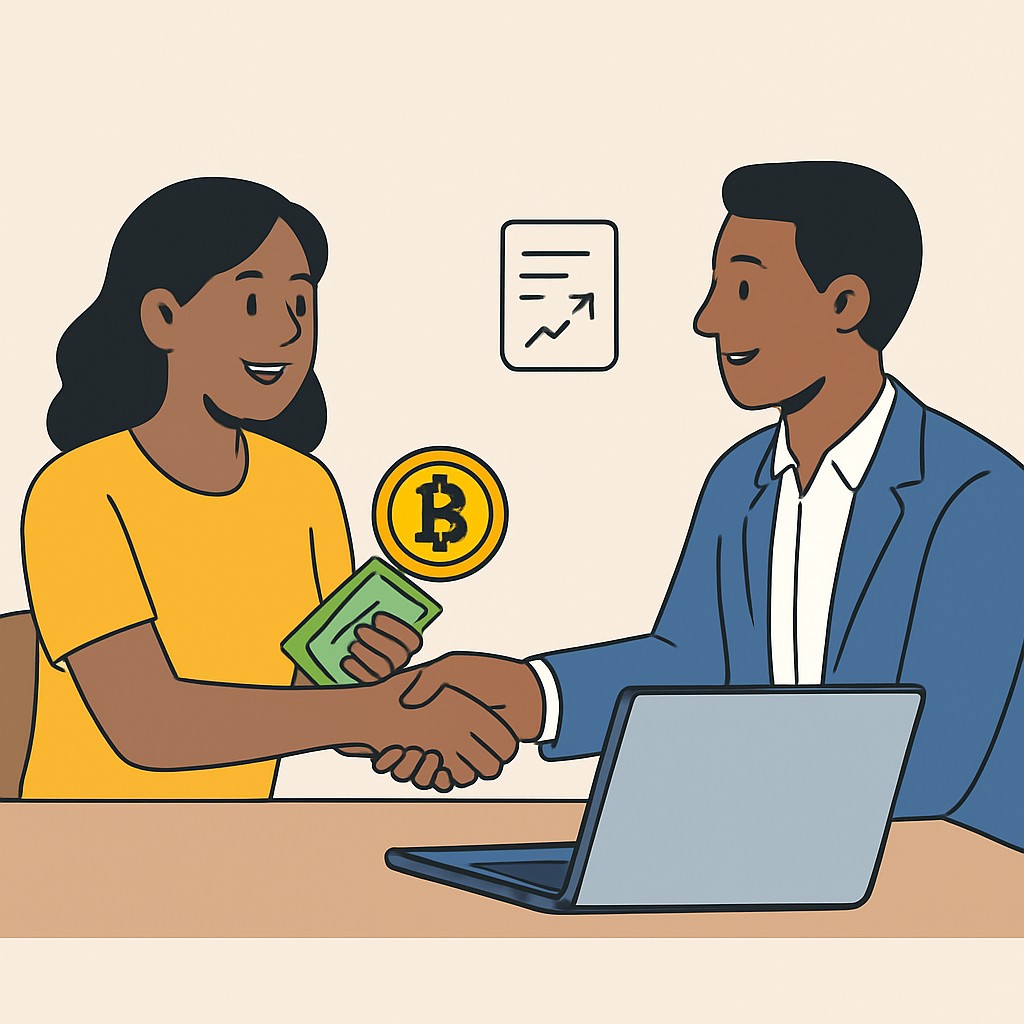
Regulatory Landscape and Enforcement Ambiguity
Regulatory signals in the sector often remain ambiguous.
Build The Software Your Business Needs To Grow
The next stage of your business will need better systems, smarter automation, and stronger digital tools. We help businesses turn ideas into websites, apps, and software platforms built for growth, revenue, and long-term scale.
Build For GrowthMoreover, enforcement can vary across time and agencies.
Additionally, policy intentions sometimes outpace formal regulations.
Overview of Regulatory Ambiguity
Consequently, operators must interpret guidelines with caution.
Ambiguity also creates space for pragmatic innovation and adaptive models.
For example, firms can design flexible compliance frameworks.
Risks for Platforms and Users
- Unclear requirements can create compliance uncertainty for platforms.
- Therefore, users may face sudden interruptions to service access.
- Furthermore, ambiguous enforcement can increase operational and legal risk.
- Moreover, reputational damage can arise from perceived noncompliance.
- Also, enforcement variability can raise unforeseen costs for businesses.
Opportunities for P2P Operators
Moreover, operators can build trust through transparent practices.
Additionally, local engagement can shape clearer expectations over time.
Therefore, deliberate risk management can turn uncertainty into competitive advantage.
Practical Measures for Navigating Uncertainty
- Implement compliance-by-design to adapt to changing rules.
- Maintain clear user-facing policies and educational resources.
- Establish robust dispute resolution and escrow mechanisms.
- Engage with local stakeholders to monitor enforcement trends.
- Develop flexible operational processes for rapid regulatory response.
Stable-Value Instruments and NGN On-Ramps
This section examines stable-value instruments and NGN on-ramps.
It focuses on liquidity, pricing, and settlement considerations.
The content highlights mechanisms that reduce currency risk and improve matching.
Role of Stable-Value Instruments
Stable-value instruments anchor trades by reducing local currency risk.
They provide predictable value for buyers and sellers during settlement.
Additionally, they simplify price discovery on peer-to-peer platforms.
Moreover, they lower the need for constant price adjustments by traders.
Importance of Local Fiat Pairs
Local fiat pairs enable users to price assets directly in the national currency.
Therefore, they improve accessibility for users who transact in the local currency.
They also reduce friction by minimizing currency conversion steps.
Consequently, they facilitate faster matching between buyers and sellers.
Operational Considerations for On-Ramps
On-ramps must connect crypto liquidity with local payment options.
For this reason, reliable settlement mechanisms remain essential for P2P.
Furthermore, escrow workflows can help manage counterparty risk in trades.
Additionally, transparent fee structures encourage participation and reduce disputes.
- Payment integration and settlement timing matter for user experience.
- Liquidity provisioning and arbitrage pathways support continuous market operations.
- Identity verification and compliance workflows affect onboarding speed and risk.
- Transparent pricing displays reduce negotiation friction and enhance trust.
User Experience and Trust
Clear local pricing builds user confidence.
Moreover, fast and reliable settlement improves repeat usage.
User support and dispute resolution also shape platform trust.
Therefore, simple onboarding lowers barriers to entry for new users.
Designing for Liquidity and Settlement
Platforms should incentivize both buy-side and sell-side liquidity.
Additionally, stable-value instruments can reduce inventory risks for makers.
Meanwhile, flexible settlement windows can balance speed with risk controls.
Finally, transparent market data helps participants make informed decisions.
Trust, Reputation and Escrow Mechanisms
This section outlines trust, reputation, and escrow mechanisms for peer to peer systems.
It highlights verification, escrow, dispute resolution, and design principles.
These topics support safer exchanges and predictable outcomes for users.
Social Trust and Reputation Systems
Social trust anchors peer to peer trade within social markets.
Reputation systems aggregate feedback to reflect user behavior.
Designers should prevent easy manipulation and fake accounts.
Visible verification badges increase confidence during first interactions.
Reputation decay encourages consistent positive behavior over time.
Escrow and Conditional Settlement
Escrow mechanisms hold funds until both parties fulfill agreed conditions.
Build The Software Your Business Needs To Grow
The next stage of your business will need better systems, smarter automation, and stronger digital tools. We help businesses turn ideas into websites, apps, and software platforms built for growth, revenue, and long-term scale.
Build For GrowthSmart contracts or custodial escrows can automate conditional releases.
Multi step escrow supports staged deliveries and partial releases.
Time locks and dispute windows add predictable safety for users.
Dispute Resolution and Arbitration
Clear dispute workflows reduce escalation and build predictable outcomes.
Platforms should enable evidence submission with secure timestamps.
Trained human moderators can adjudicate complex cases fairly.
Binding arbitration options can resolve persistent disputes efficiently.
Design Principles for Safe P2P Systems
Design should balance friction and convenience to deter fraud without harming adoption.
Progressive verification scales trust without creating early barriers.
Transparency of fees and settlement timelines increases user trust and retention.
Automated risk scoring powers real time restrictions and alerts.
Audit trails enable accountability and support dispute resolution processes.
User Experience and Onboarding
Make escrow mechanics clear using plain language and simple visuals.
Guide users step by step during first trades to build confidence.
Progressive onboarding collects only necessary identity details at each stage.
Local language support and accessible design reduce user errors.
Community Moderation and Incentives
Communities enforce norms through ratings, reports, and peer reviewed moderation.
Incentives align behavior by rewarding honest actors and penalizing bad actors.
Reputation weighted privileges can empower trusted users to moderate disputes.
Transparent appeals protect users from erroneous moderation decisions.
Practical Controls and Safeguards
Platforms can limit exposure with controlled escrow hold periods.
Operators should impose transaction limits on new users to reduce risk.
Identity tiers should match verification depth to transaction risk.
- Escrow hold periods limit exposure during disputes.
- Transaction limits on new users reduce high risk trades.
- Identity tiers match verification depth to transaction risk.
- Automated monitoring spots unusual patterns promptly.
- Optional protection pools can compensate verified victims.
Integration with Local Rails
This section covers offline integration options.
It includes USSD, mobile wallets, and agent networks.
The section also addresses user experience and operational considerations.
Why Offline Accessibility Matters
Offline access widens user reach beyond smartphone users.
It also extends services to people with limited banking access.
Cash and banking frictions increase demand for offline options.
USSD Integration
USSD provides menu-based access on basic phones.
Platforms can accept trade intents without internet connectivity.
USSD can also initiate on-chain or off-chain settlement flows.
Mobile Wallet Partnerships
Mobile wallets enable fast fiat transfers within existing ecosystems.
Platforms link wallet transfers directly to P2P escrow flows.
They also simplify onboarding and verification journeys.
- Reach: wallets extend services to existing wallet users.
- Convenience: users move funds without visiting bank branches.
- Continuity: wallets bridge online and offline transaction steps.
Agent Networks and Retail Onboarding
Agent networks convert cash into digital value at retail locations.
Agents serve as trusted touchpoints for deposits and withdrawals.
They also facilitate identity verification and dispute resolution.
- Local presence: agents provide nearby access for rural users.
- Human support: agents assist users unfamiliar with digital flows.
- Liquidity: agents help maintain on-the-ground fiat availability.
User Experience and Trust Considerations
Design clear UX flows between offline and online steps.
Use simple prompts to reduce errors in USSD and agent interactions.
Build The Software Your Business Needs To Grow
The next stage of your business will need better systems, smarter automation, and stronger digital tools. We help businesses turn ideas into websites, apps, and software platforms built for growth, revenue, and long-term scale.
Build For GrowthVisible escrow receipts strengthen user trust in trades.
Operational Considerations
Integrations require reconciliation between wallets, USSD logs, and ledgers.
Platforms must design robust audit trails and error-handling paths.
Teams should schedule regular coordination with local partners to maintain operations.
Risks and Mitigation Strategies
This section addresses core risks for peer-to-peer crypto platforms.
Additionally, it focuses on fraud prevention, AML/KYC design, and user education.
Platforms should complement reputation systems with these controls.
Fraud Prevention Measures
Implement layered verification for high-risk operations.
Next, monitor transactions for unusual patterns in real time.
Additionally, apply rate limits and velocity checks to reduce abuse.
Use dispute resolution and escrow to protect counterparties during trades.
Moreover, combine device fingerprinting with session analysis to flag anomalies.
Finally, require extra verification for large or suspicious transactions.
- Key preventive controls include identity checks and behavioral analytics.
- They include transaction monitoring and escrow workflows.
- Other controls include automated alerts and manual review queues.
AML and KYC Design Principles
Design KYC with a risk-based approach and proportional checks.
Also, enable ongoing monitoring rather than one-time verification only.
Record compliance actions and retain audit trails securely.
Furthermore, balance verification with user privacy and minimal data collection.
Additionally, automate screening for sanctions and suspicious entities.
User Education and Trust Building
Educate users about common fraud schemes and secure practices.
Provide clear onboarding guides and step-by-step safety tips.
Also, highlight red flags and how to report suspicious counterparts.
Use in-app prompts and periodic reminders to reinforce safe behavior.
Moreover, offer simulated scenarios to help users practice secure trades.
Operational Controls and Incident Response
Establish clear escalation paths for fraud investigations.
Train staff to recognize abuse and handle disputes efficiently.
Also, prepare playbooks for freezing funds and containing incidents.
Furthermore, communicate transparently with affected users during incidents.
Privacy and Data Protection
Limit personal data collection to what is strictly necessary.
Encrypt sensitive data both in transit and at rest.
Also, obtain consent and explain data use practices clearly.
Monitoring and Adaptive Measures
Continuously measure fraud signals and update rulesets.
Moreover, incorporate user feedback into safety improvements.
Finally, run periodic reviews of controls and risk thresholds.
- Watch indicators such as unusual volumes and rapid account changes.
- Observe indicators such as repeated failed verifications and device churn.
- Monitor indicators such as concentrated counterpart activity and dispute frequency.
Additional Resources
Google search results for Why Nigeria Is A Strong Market For Crypto P2P Apps Insights
Bing search results for Why Nigeria Is A Strong Market For Crypto P2P Apps Insights
Before You Go…
Hey, thank you for reading this blog post to the end. I hope it was helpful. Let me tell you a little bit about Nicholas Idoko Technologies.
We help ambitious businesses build the digital systems they need to grow, compete, and scale — including web platforms, mobile apps, desktop software, and blockchain solutions designed around real business goals.
We also help aspiring software developers and programmers learn the skills they need to have a successful career.
Take your first step to becoming a programming expert by joining our Learn To Code academy today!
Be sure to contact us if you need more information or have any questions! We are readily available.
Build The Software Your Business Needs To Grow
The next stage of your business will need better systems, smarter automation, and stronger digital tools. We help businesses turn ideas into websites, apps, and software platforms built for growth, revenue, and long-term scale.
Build For Growth