


Digital Adoption Shapes Delivery Expectations
Digital habits influence customer expectations for delivery.
Customers now expect app-like convenience from purchase to delivery.
They also expect clear tracking and timely notifications.
Context of Digital Habits
Smartphones, widespread internet and mobile apps have trained customers to expect app-like convenience.
Consequently, shoppers prefer faster and simpler delivery interactions than before.
Additionally, they value continuous visibility into order progress.
How App Habits Translate to Delivery
App habits change how delivery features should behave.
Users expect intuitive flows that reduce friction.
They also monitor orders throughout their journey.
- App-like convenience means intuitive steps from purchase to delivery. Therefore, users expect minimal friction when managing orders.
- Real-time tracking means visibility into where an order currently is. Consequently, customers monitor deliveries throughout the journey.
- Instant updates mean notifications when statuses change. Additionally, customers expect immediate alerts for delays or arrivals.
Core Expectations from Customers
Customers demand smooth interactions that mirror mobile experiences.
They expect clear, continuous information about delivery status.
Furthermore, they want prompt notifications when anything changes.
What Businesses Should Prioritize
Businesses should focus on transparency across the delivery lifecycle.
They must send timely notifications when statuses change.
Also, companies should simplify order management and open communication channels.
- Provide transparent tracking information throughout the delivery lifecycle.
- Send timely notifications when delivery status changes occur.
- Simplify order management to reduce friction for customers.
- Maintain open channels for quick customer communication when needed.
E-commerce Competition and Delivery Baselines
E-commerce platforms have expanded rapidly.
Competition has raised baseline expectations for delivery service.
Marketplaces now emphasize service quality and fulfillment performance.
Market Growth Drives Expectations
Market growth drives customer delivery expectations.
Customers now expect faster delivery options.
Moreover, marketplaces compete on service quality and fulfillment performance.
Raised Baseline Expectations
Buyers expect delivery speed as a standard service feature.
Also, they expect greater reliability in order arrival.
Additionally, customers evaluate packaging as part of overall value.
How Competition Shapes Seller Practices
Sellers invest in logistics partnerships.
They also invest in fulfillment processes.
Many merchants refine packaging to protect products and enhance presentation.
Practical Expectations from Customers in Nigeria
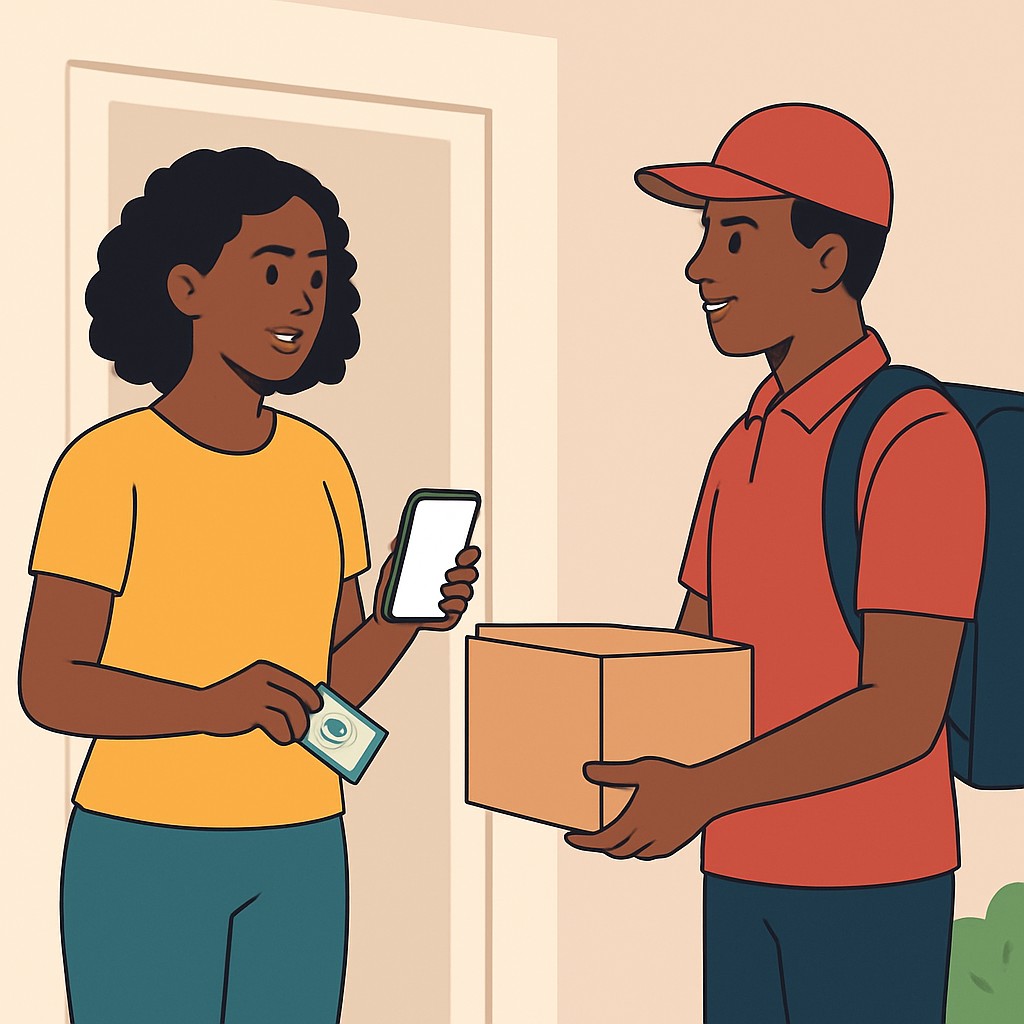
Customers in Nigeria expect consistent delivery windows.
Also, they expect dependable handovers.
They also expect returns and exchanges to work smoothly.
Operational Priorities for Marketplaces and Stores
- Optimize fulfilment speed through efficient warehouse workflows.
- Prioritize delivery reliability with consistent carriers and schedules.
- Improve packaging to protect items and enhance unboxing experience.
- Clarify delivery promises to set appropriate customer expectations.
- Support easy returns to maintain customer trust.
Social Visibility and Delivery Expectations
Social visibility reshapes customer expectations for delivery.
Public sharing accelerates the spread of delivery incidents.
Organizations must adapt processes to meet these expectations.
How Public Visibility Shapes Customer Demands
Social visibility makes individual delivery stories public quickly.
Consequently customers expect companies to answer public complaints fast.
Moreover visibility increases pressure on brands to act transparently.
Common Public Channels
- Social platforms allow customers to share delivery experiences publicly.
- Review sites collect customer feedback for others to read.
- Public complaint forums highlight unresolved delivery problems visually and textually.
Business Accountability in Practice
Companies must monitor public feedback continuously.
For example they should acknowledge issues promptly in public posts.
Additionally they should provide clear next steps to affected customers.
Moreover transparent follow ups restore trust over time.
Build The Software Your Business Needs To Grow
The next stage of your business will need better systems, smarter automation, and stronger digital tools. We help businesses turn ideas into websites, apps, and software platforms built for growth, revenue, and long-term scale.
Build For GrowthSpeed of Resolution and Expectations
Customers expect quick acknowledgements when issues arise.
Consequently long public delays erode confidence rapidly.
Therefore businesses prioritize fast internal escalation paths.
Practical Steps for Clear Public Responses
- Set public response guidelines that emphasize clarity and empathy.
- Train frontline staff to respond to public complaints calmly.
- Use consistent messaging to avoid confusion among customers.
- Share progress updates publicly until issues reach resolution.
Reputation Effects and Peer Influence
Public posts shape peer perceptions about service quality.
As a result negative stories prompt other customers to demand fixes.
Therefore companies treat public feedback as strategic priority.
You Might Also Like: What To Know Before Building Logistics Tech Nigeria
Payments and Trust
As a result payments become a trust accelerator for delivery expectations.
Clear transaction flows explain what happens after payment.
Merchants should clarify payment and refund steps up front.
Smoother Online Payments
Smoother payment options reduce friction at checkout for Nigerian customers.
Consequently shoppers feel more confident completing purchases online.
Additionally faster confirmations reassure buyers about order status.
Clear Transaction Flows
Therefore customers expect transparent timelines for fulfilment and refunds.
Moreover clear receipts and messages limit confusion during disputes.
Faster payments raise expectations for equally fast fulfilment.
Raised Expectations for Fulfilment and Refunds
Consequently delays feel less acceptable to paying customers.
Furthermore buyers expect straightforward refund processes when necessary.
Additionally they should confirm transactions immediately after payment.
How Merchants Can Respond
- Communicate expected fulfilment timelines clearly on product pages.
- Provide simple visible refund instructions for customers.
- Resolve payment-related issues promptly to maintain trust.
Delve into the Subject: How A Logistics App Improves Speed Across Nigeria
Last-Mile Evolution and Delivery Expectations
Last-mile delivery has evolved due to network and fulfilment changes.
Customers now expect faster and scheduled delivery options.
Operations have adapted to meet these customer expectations.
Expanded Courier Networks
Courier networks have increased local coverage.
They now reach more neighborhoods efficiently.
Consequently, parcels can move shorter distances between hubs and final stops.
Gig Delivery Models
Gig delivery introduces flexible couriers who accept deliveries on demand.
This model lets providers scale delivery capacity during peaks quickly.
As a result, firms can handle sudden demand spikes without permanent hires.
Fulfilment Improvements
Fulfilment improvements reduce time between order receipt and dispatch.
They speed overall order processing.
Furthermore, placing inventory closer to demand areas speeds last-mile fulfilment.
Delivery Options Customers Now Expect
Customers expect faster delivery options for routine purchases.
They also expect scheduled delivery windows that suit their routines.
Moreover, customers increasingly prefer choosing delivery times that fit.
Operational Changes to Meet Expectations
Businesses reorganize operations to support faster scheduled deliveries consistently.
Therefore, they adjust staffing, vehicle allocation, and local staging practices.
Additionally, logistic teams plan routes that align with promised delivery windows.
Service Flexibility and Exception Handling
Customers now expect simple ways to change delivery timing.
They want flexibility when plans change.
Build The Software Your Business Needs To Grow
The next stage of your business will need better systems, smarter automation, and stronger digital tools. We help businesses turn ideas into websites, apps, and software platforms built for growth, revenue, and long-term scale.
Build For GrowthConsequently, providers must offer clear processes for rescheduling and redirection.
Capabilities That Enable Faster Scheduled Delivery
Nearby sorting and staging locations reduce final mile travel times.
Flexible courier pools allow capacity spikes without long-term hires.
Optimized route planning shortens delivery windows for multiple stops.
- Nearby sorting and staging locations reduce final mile travel times.
- Flexible courier pools allow capacity spikes without long-term hires.
- Optimized route planning shortens delivery windows for multiple stops.
- Clear exception workflows help handle reschedules and missed deliveries quickly.
Find Out More: Why Lotto Platforms Build Strong Loyalty In Nigeria
Global Benchmarking Shapes Local Delivery Expectations
Global standards redefine acceptable local delivery service expectations.
Customers compare local services to international experiences regularly.
These comparisons increase demand for consistent quality, speed, and clear policies.
International Exposure and Perception
Many customers now measure local delivery against global examples.
They expect parity in quality, speed, and transparency of policies.
Visible global benchmarks shift local expectations about acceptable service.
Key Expectations Shaped by Global Benchmarking
Customers demand delivery tracking similar to international services.
They want simple, clear return processes with understandable steps.
Reliable, faster delivery windows with predictable arrivals are expected.
- Demand for delivery tracking parity with international services.
- Clear and simple return processes with understandable steps.
- Faster and more reliable delivery windows with predictable arrivals.
- Consistent customer service across a range of communication channels.
Returns and Refund Expectations
Customers expect transparent return policies with stated timelines.
They expect refunds to be handled promptly after a return.
Visible status updates during returns increase customer confidence.
Customer Service Parity
Customers expect timely responses and accessible escalation paths.
They expect representatives to resolve issues decisively and respectfully.
Consistent service tone and fast resolutions now shape satisfaction.
Implications for Local Businesses
Companies must assess gaps between local offerings and global expectations.
Aligning policies, training, and communication helps meet evolving standards.
Delivering predictable and fair experiences supports long term trust.
Gain More Insights: What Nigerians Want From A Safe Lotto Platform
Personalisation and Communication
Personalisation and communication shape customer delivery expectations.
They affect satisfaction and reduce delivery friction.
Organizations should design messages and options to meet these expectations.
Flexible Delivery Choices
Customers expect flexible delivery options that match daily routines.
For example, time slots and alternate addresses provide practical convenience.
They also value the ability to update delivery details after ordering.
- Choose preferred delivery windows.
- Change delivery address before dispatch.
- Select an alternative recipient or pickup location.
Proactive Notifications
Customers expect clear notifications at key delivery milestones.
Consequently, timely alerts reduce uncertainty and missed deliveries.
Updates should explain delays and outline the next steps.
Easy Rescheduling and Returns
Customers expect effortless rescheduling when plans change.
They want simple and transparent return pathways.
Clear instructions help customers complete returns confidently.
Designing Customer-Friendly Communication Flows
Start with concise messages that state the next customer action.
Also, offer self-service options for scheduling and returns online or by phone.
However, provide a simple human contact option for complex issues.
- Flexible timing and flexible locations.
- Proactive, informative notifications.
- Easy rescheduling and straightforward returns.
- Clear, concise communication at every step.
Operational Digitalisation and Delivery Performance
Digitalisation improves delivery performance across operations.
Build The Software Your Business Needs To Grow
The next stage of your business will need better systems, smarter automation, and stronger digital tools. We help businesses turn ideas into websites, apps, and software platforms built for growth, revenue, and long-term scale.
Build For GrowthIt integrates systems, automates fulfilment, and optimises routes.
Additionally, orchestration and communication support scalable operations.
Integration through APIs
APIs connect systems and partners to streamline order handoffs.
Systems exchange data without manual re-entry or delays.
This integration reduces handoff friction across services.
Automation in Fulfilment
Automation reduces manual tasks across picking, packing and dispatch.
It enforces consistent processing that reduces errors and variance.
Teams rely on automation for repeatable fulfilment steps.
Route Optimisation and Fleet Efficiency
Route optimisation plans efficient paths for drivers and couriers.
As a result, routes become more predictable and fuel use decreases.
Therefore, delivery windows tighten and performance becomes more reliable.
Chatbots and Operational Communication
Chatbots handle routine customer queries and free agents for exceptions.
Thus, teams focus on complex issues while bots handle confirmations and updates.
Chatbots deliver automated confirmations and status updates to customers.
Operational Orchestration and Scalability
Orchestration layers coordinate multiple services in real time.
Consequently, businesses scale operations without increasing manual coordination.
Orchestration aligns workflows and resources across services.
- Reduced manual errors improve overall fulfilment accuracy.
- Faster order-to-dispatch cycles increase throughput and consistency.
- Improved exception handling channels resources to high-impact problems.
Customer Impact and New Expectations
Operational digitalisation raises baseline delivery consistency across providers.
Therefore, customers expect steady performance as the new normal.
Businesses must continuously maintain these systems to sustain customer trust.
Additional Resources
Google search results for Why Customers In Nigeria Expect Better Delivery Now Insights
Bing search results for Why Customers In Nigeria Expect Better Delivery Now Insights
Before You Go…
Hey, thank you for reading this blog post to the end. I hope it was helpful. Let me tell you a little bit about Nicholas Idoko Technologies.
We help ambitious businesses build the digital systems they need to grow, compete, and scale — including web platforms, mobile apps, desktop software, and blockchain solutions designed around real business goals.
We also help aspiring software developers and programmers learn the skills they need to have a successful career.
Take your first step to becoming a programming expert by joining our Learn To Code academy today!
Be sure to contact us if you need more information or have any questions! We are readily available.