
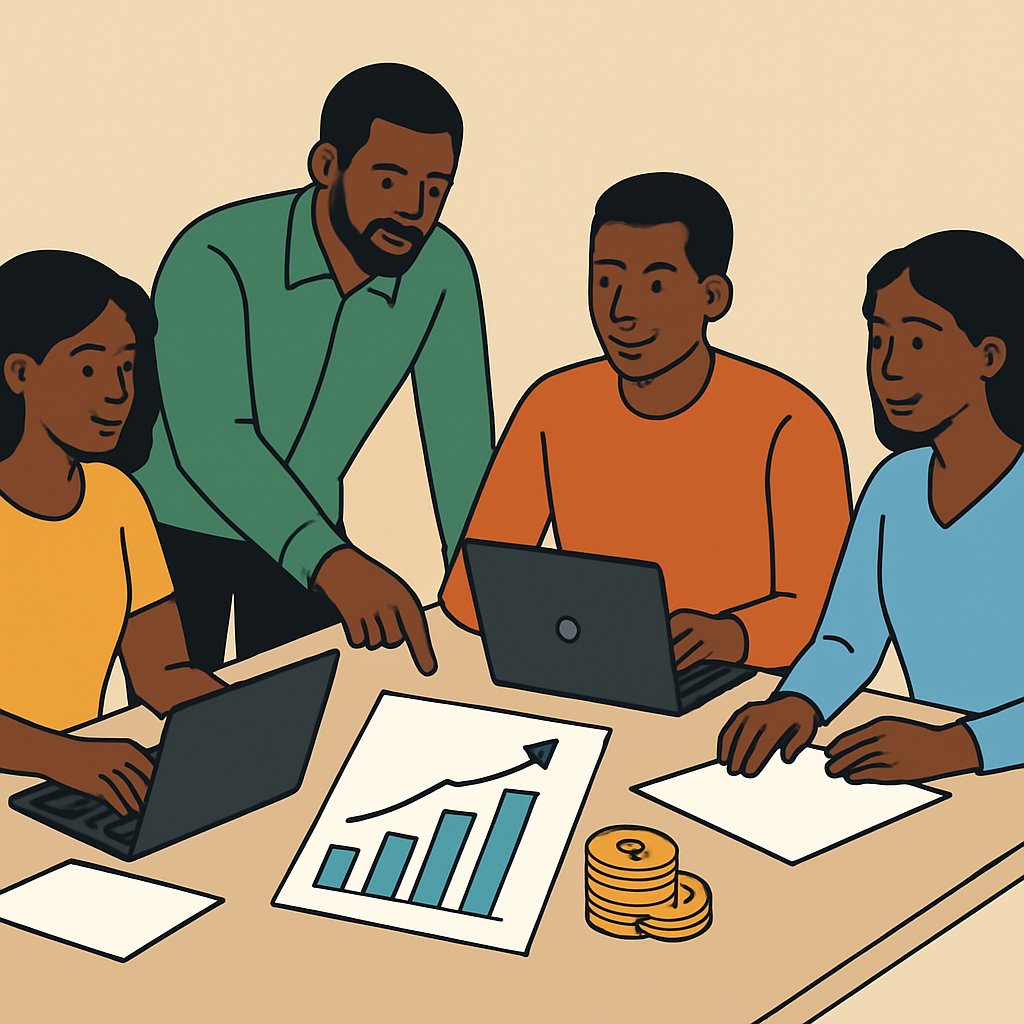

Overview of Media Buying Platforms and Their Role in Digital Advertising
Defining Media Buying Platforms
Media buying platforms enable advertisers to purchase digital advertising space efficiently.
These platforms connect brands with publishers and ad networks across various channels.
Brands use them to target specific audiences with precision and scale.
For instance, Nigerian businesses rely on platforms like Ad Dynamo and ClickMax to streamline their campaigns.
Moreover, automated bidding and real-time analytics enhance decision-making processes.
Key Functions of Media Buying Platforms
First, media buying platforms automate the ad purchase process.
This automation saves time and reduces cost.
Next, they optimize ad placements to improve campaign performance and reach.
Additionally, these platforms offer detailed reporting to track metrics and ROI.
They also support multiple ad formats, including display, video, and social media ads.
Furthermore, data-driven targeting helps brands engage relevant consumers effectively.
Enhancing Digital Advertising in Nigeria
Digital advertising in Nigeria faces unique challenges such as fragmented markets and diverse audiences.
Media buying platforms help brands overcome these barriers by centralizing campaign management.
For example, Lagos-based brand Lagos Belle uses such platforms to reach younger demographics online.
These tools provide access to both local and international ad inventory seamlessly.
Thus, Nigerian businesses enjoy improved brand visibility and better customer engagement.
Advantages of Media Buying Platforms for Nigerian Brands
Using media buying platforms allows brands to execute campaigns quickly and cost-effectively.
Brands can test different messages and channels to identify what resonates best with consumers.
Moreover, these platforms facilitate scalability as businesses grow beyond regional markets.
They empower marketers with data insights for continual campaign refinement.
Finally, media buying platforms enable stronger competition within Nigeria’s vibrant digital economy.
The Growth of Digital Media Consumption in Nigeria and Its Impact on Advertising
Rapid Increase in Internet and Mobile Usage
Nigeria has witnessed a significant surge in internet penetration over the past decade.
Mobile phone adoption plays a major role in this digital expansion.
Affordable smartphones have made the internet accessible to many Nigerians.
Growing connectivity enables brands to reach a wider and more diverse audience.
Advertisers now consider digital channels essential for marketing campaigns.
Changing Consumer Behavior Towards Digital Platforms
Many Nigerians increasingly turn to social media and online platforms for information and entertainment.
Platforms like Instagram, Facebook, and TikTok have become popular among youth demographics.
Traditional media consumption, like radio and print, has declined in urban areas.
Consumers prefer personalized and interactive content delivered through digital channels.
This shift demands brands adapt their advertising strategies to the digital environment.
Impact on Advertising Strategies for Brands
Advertisers prioritize digital media buying platforms to efficiently target audiences.
These platforms allow precise demographic, geographic, and behavioral targeting capabilities.
They also provide real-time campaign analytics which help optimize ad spend.
Brands like Lagos-based fashion retailer Amara Styles have leveraged these platforms successfully.
They have achieved better engagement and improved return on investment through digital ads.
Opportunities Presented by Digital Media Growth
Emerging platforms enable small and medium enterprises to compete with larger corporations.
Digital advertising offers flexible budget options suitable for Nigerian startups and entrepreneurs.
Brands can experiment with diverse formats such as video, display, and native ads.
This flexibility encourages innovation in content creation and marketing approaches.
Build The Software Your Business Needs To Grow
The next stage of your business will need better systems, smarter automation, and stronger digital tools. We help businesses turn ideas into websites, apps, and software platforms built for growth, revenue, and long-term scale.
Build For Growth- Localized content targeting regional languages and cultures
- Influencer collaborations to boost brand authenticity
- Interactive campaigns that engage users directly
- Programmatic advertising for automated media buying
Ultimately, these trends contribute to a more dynamic and competitive advertising ecosystem in Nigeria.
How Media Buying Platforms Streamline the Ad Purchasing Process for Nigerian Brands
Centralized Access to Multiple Advertising Channels
Media buying platforms provide Nigerian brands with centralized access to various advertising channels.
This eliminates the need to approach individual media outlets separately.
Platforms like AdConnect Nigeria and Lagos Media Hub enable easier campaign management.
Brands such as EkoSoft Technologies reach broader audiences efficiently.
Automation of Campaign Setup and Management
These platforms automate the creation and management of advertising campaigns.
Brands save time by using automated bidding and targeting tools.
BrightWave Solutions increased ROI by leveraging SmartAd’s automated features.
Automation reduces human error and speeds up campaign launches.
Real-Time Analytics and Performance Tracking
Media buying platforms provide real-time analytics for Nigerian advertisers.
Companies like GreenLeaf Cosmetics monitor ad performance instantly.
This helps them adjust strategies promptly to optimize results.
Detailed reports enable transparent assessment of campaign effectiveness.
Cost Efficiency Through Better Budget Control
Brands gain better control over budgets using media buying platforms.
Platforms offer bidding flexibility to avoid overspending on ads.
NaijaFashion Retail reduced costs by adjusting bids through AdStream Nigeria.
Brands maximize their advertising impact while minimizing unnecessary expenses.
Enhanced Targeting and Audience Segmentation
Platforms allow Nigerian brands to target specific demographics and behaviors.
This precision improves ad relevance and increases conversion rates.
Tropicana Foods targets urban millennials effectively through detailed segmentation.
Brands deliver personalized messages that resonate with their ideal customers.
Streamlined Communication with Media Vendors
Media buying platforms simplify communication between brands and media vendors.
Platforms often include messaging or project management features.
Lagos Creative Agency coordinates all vendor communications smoothly via MediaLink.
This reduces misunderstandings and accelerates negotiation processes.
Uncover the Details: How Custom Software Helps Nigerian Teams Work Better
Targeting and Audience Segmentation Capabilities Specific to Nigerian Markets
Understanding Local Demographics and Cultural Nuances
Media buying platforms in Nigeria analyze diverse demographic data effectively.
They consider age, gender, income, and education levels among the population.
Moreover, these platforms account for ethnic diversity and language preferences.
For instance, platforms tailor campaigns to Yoruba, Igbo, and Hausa-speaking audiences.
This cultural sensitivity helps brands connect authentically with Nigerian consumers.
Leveraging Geographic Targeting for Regional Campaigns
Platforms offer precise geographic segmentation across Nigerian states and cities.
Brands can target urban centers like Lagos, Abuja, and Port Harcourt specifically.
Simultaneously, rural areas receive focused attention based on campaign goals.
Such granularity allows marketers to allocate budgets efficiently and maximize reach.
Consequently, this geographic focus leads to higher engagement from targeted audiences.
Utilizing Behavioral and Interest-Based Segmentation
Nigerian media platforms track consumer behavior to refine audience segments.
They analyze online activities, purchase patterns, and content preferences.
For example, platforms detect interest in fashion, fintech, or agriculture sectors.
This data-driven insight enables brands like Aurelia Fashion House to personalize ads.
Build The Software Your Business Needs To Grow
The next stage of your business will need better systems, smarter automation, and stronger digital tools. We help businesses turn ideas into websites, apps, and software platforms built for growth, revenue, and long-term scale.
Build For GrowthHence, campaigns resonate better and encourage meaningful consumer responses.
Access to Mobile-Specific Audience Data
Given Nigeria’s mobile-first market, platforms emphasize mobile device targeting.
They segment users by device type, network provider, and mobile usage habits.
Brands benefit by creating mobile-optimized messages through platforms like VConnect.
Additionally, targeting mobile subscribers enhances accessibility in under-served regions.
This approach expands brand visibility and drives conversions in Nigeria’s digital space.
Integration of Socioeconomic and Psychographic Data
Platforms incorporate socioeconomic status in audience segmentation strategies.
They use data on spending power, lifestyle, and social values.
For example, advertisers can appeal to middle-class tech adopters in Lagos.
Furthermore, psychographic profiles help brands connect on emotional and aspirational levels.
This layered targeting improves message relevance and boosts campaign effectiveness.
Real-Time Analytics and Adaptive Targeting
Media platforms provide real-time campaign performance tracking and audience feedback.
This feedback enables quick adjustments to targeting strategies during campaigns.
Companies like Jumia Nigeria use these tools to optimize ad spend dynamically.
Therefore, brands can respond immediately to market changes and audience behavior shifts.
Ultimately, this adaptability increases return on investment for Nigerian advertisers.
Cost Efficiency and Budget Optimization Through Media Buying Platforms
Streamlined Budget Management
Media buying platforms help brands manage advertising budgets efficiently.
They provide tools that allocate funds based on campaign goals and performance.
As a result, marketers can avoid overspending on ineffective channels.
For example, Lagos retailer OluMart used a media buying platform to optimize ad spend.
This improved control over daily and overall campaign budgets.
Access to Real-Time Analytics
These platforms deliver real-time data on ad performance.
Marketers receive immediate feedback and make rapid adjustments.
Therefore, brands can shift funds to high-performing campaigns instantly.
Nigeria’s fashion brand EleganceWear used analytics to increase return on investment.
By tracking key metrics, they reduced wasted spend and improved targeting.
Automation and Programmatic Buying
Automation reduces the need for manual bidding and negotiation.
Programmatic buying helps ads reach the right audience at optimal costs.
Thus, brands benefit from lower operational expenses and better conversion rates.
For instance, digital agency BluePeak Media uses programmatic tools to maximize client results.
This approach streamlines campaigns and saves time and resources.
Targeted Audience Reach
Media buying platforms allow precise audience segmentation.
Brands can target demographics, interests, and behaviors with accuracy.
Hence, ads generate higher engagement with less budget waste.
Tech startup NexaTech targeted young professionals in Abuja effectively.
This strategy improved cost efficiency by focusing on relevant viewers.
Cost-Effective Multi-Channel Campaigns
Platforms enable simultaneous ad placements across multiple channels and devices.
This integrated approach amplifies brand visibility without greatly increasing costs.
Moreover, it simplifies budget distribution across TV, radio, online, and social media.
Media agency Horizon Connect reduced media buying expenses using multi-channel tools.
Build The Software Your Business Needs To Grow
The next stage of your business will need better systems, smarter automation, and stronger digital tools. We help businesses turn ideas into websites, apps, and software platforms built for growth, revenue, and long-term scale.
Build For GrowthThey achieved broader reach while maintaining strict budget limits.
Optimizing Spend Through Negotiated Deals
Some media buying platforms offer exclusive discounted rates and deals.
Brands gain access to bulk buying prices and special inventory.
Consequently, they stretch advertising budgets further than traditional channels allow.
A case study from FinBiz Solutions showed 15% savings in ad costs through platform-negotiated rates.
This helped the company allocate extra funds to creative development.
Integration of Local Payment Solutions and Financial Accessibility for Nigerian Advertisers
Adoption of Popular Nigerian Payment Methods
Media buying platforms now support widely used payment systems in Nigeria.
These include Paystack, Flutterwave, and Interswitch.
Such solutions simplify transactions for advertisers across many industries.
Additionally, integration reduces friction from traditional banking methods.
As a result, Lagos advertiser Chinedu Okafor can fund Zebra Apparel campaigns quickly.
Benefits of Seamless Payment Experiences
Advertisers launch campaigns faster because payment processes run smoothly.
Platforms that offer mobile money options improve accessibility further.
Moreover, real-time payment confirmation improves budget tracking and control.
For instance, Tolu Adebayo from Abuja’s BlueWave Media values clear billing.
Therefore, advertisers save time and focus on strategy instead of payment issues.
Financial Accessibility Through Flexible Payment Plans
Some platforms now offer installment and credit options for Nigerian businesses.
This flexibility helps smaller brands like Efe Kitchens participate more actively.
Platforms also partner with financial institutions to provide these tailored offers.
Consequently, entrepreneurs face lower upfront financial burdens.
Furthermore, these options support steady advertising investment and growth.
Supporting Currency Stability and Exchange Rate Management
Platforms often manage naira-dollar fluctuations to protect advertiser budgets.
This reduces uncertainty from volatile exchange rates in Nigeria’s economy.
Media buyers like Funmi Adeoye benefit from stable pricing during campaigns.
In turn, this builds confidence and encourages sustained advertising commitments.
Thus, platforms become reliable partners during economic challenges.
Enhancing Digital Inclusion for Nigerian Advertisers
By integrating local payment methods, platforms promote wider advertiser participation.
This inclusion helps small and medium-sized enterprises build brand visibility.
Moreover, it bridges the gap between urban and rural entrepreneurs.
Advertisers from Enugu and Kano gain equal access to tools.
These efforts strengthen Nigeria’s digital marketing ecosystem.

Case Studies of Nigerian Brands Leveraging Media Buying Platforms
Nollywood Fashion Expands Its Market Reach
Nollywood Fashion embraced digital media buying platforms to expand its audience.
The brand targeted specific age groups and interest-based segments.
It optimized ad placements and increased engagement significantly.
The company partnered with AdPulse Media to manage campaigns effectively.
It also used real-time data to adjust strategies promptly.
As a result, Nollywood Fashion boosted sales by 40% within six months.
AgroVista Builds Consumer Awareness
AgroVista used media buying platforms to promote its organic products.
The brand identified urban millennials as its key market segment.
Next, it ran targeted video ads on popular social media networks in Nigeria.
Build The Software Your Business Needs To Grow
The next stage of your business will need better systems, smarter automation, and stronger digital tools. We help businesses turn ideas into websites, apps, and software platforms built for growth, revenue, and long-term scale.
Build For GrowthGeo-targeting helped AgroVista focus on Lagos and Abuja markets.
It also collaborated with Hayat Ads to optimize advertising spend.
As a result, brand recognition grew by 65% and improved market share.
TechPulse Uses Programmatic Advertising
TechPulse implemented programmatic media buying to boost its fintech services.
The company used algorithms to purchase ad space automatically.
This approach ensured precise targeting and reduced wasted ad budget.
Moreover, TechPulse monitored analytics daily to refine audience segments quickly.
Its partnership with SmartReach Media helped scale campaigns smoothly.
Ultimately, TechPulse saw a 50% increase in user registrations in one quarter.
Zenith Travel Strengthens Its Campaign Performance
Zenith Travel used cross-channel media buying platforms to increase bookings.
It combined social media, search engine, and display advertising effectively.
This multi-channel approach improved brand visibility across Nigeria.
Zenith Travel also used retargeting tactics to capture interested users.
It worked with DigitalLeap Agency for expert campaign management.
The collaboration led to 35% growth in website traffic and bookings.
GreenAura Cosmetics Improves Market Penetration
GreenAura Cosmetics leveraged programmatic platforms to reach beauty-conscious consumers.
The brand focused on video ads and sponsored content for maximum impact.
GreenAura targeted women aged 18 to 35 in metropolitan regions.
Its data-driven approach reduced cost-per-acquisition by 25%.
Furthermore, Lumina Media helped optimize its budget and ad placements.
This strategy strengthened market penetration and customer loyalty.
Challenges Faced by Nigerian Brands in Media Buying
Lack of Access to Reliable Data
Nigerian brands often struggle with inaccurate audience data.
This weakens targeting precision during media campaigns.
As a result, brands experience poor return on investment.
Moreover, fragmented data sources create inconsistencies and delays.
Without clear insights, decision-making becomes guesswork.
Budget Constraints and Cost Efficiency
Many brands face tight budgets for advertising activities.
High traditional media buying costs limit campaign reach.
Additionally, manual processes raise operational expenses.
These challenges often reduce campaign effectiveness.
Complex Media Landscape and Fragmentation
The Nigerian media environment includes many local and digital outlets.
Brands find it difficult to navigate these media options.
This fragmentation demands more time and resources for efficient management.
Without proper tools, coordinating campaigns becomes overwhelming.
Trust and Transparency Issues
Some brands face a lack of transparency from media vendors.
Ad fraud and unclear reporting weaken trust in purchases.
Brands may lose confidence in their advertising investments.
Thus, verifying media effectiveness remains a persistent challenge.
How Media Buying Platforms Address These Challenges
Data-Driven Targeting and Analytics
Media buying platforms provide access to real-time audience data.
The platforms integrate multiple data sources for broader insights.
Build The Software Your Business Needs To Grow
The next stage of your business will need better systems, smarter automation, and stronger digital tools. We help businesses turn ideas into websites, apps, and software platforms built for growth, revenue, and long-term scale.
Build For GrowthThis consolidation improves targeting accuracy and campaign performance.
Brands can optimize budgets by focusing on high-value segments.
Cost-Effective Advertising Solutions
Platforms help brands automate media purchasing processes.
Automation reduces manual errors and administrative overhead.
They also offer flexible pricing models that fit brand budgets.
Consequently, brands achieve more with limited advertising funds.
Simplified Multi-Channel Campaign Management
Media buying platforms unify various media channels under one dashboard.
Brands can plan, execute, and monitor campaigns seamlessly.
This integration saves time and reduces complexity.
It also enables real-time adjustments based on campaign performance.
Enhanced Transparency and Reporting
Platforms provide detailed reports on ad placements and metrics.
Brands gain clear visibility into where and how their ads run.
Fraud detection tools help protect against invalid impressions.
In this way, platforms build trust between brands and media partners.
Case Study of a Lagos-Based Fashion Brand
Oluwaseyi, marketing manager at Elegance Apparel, adopted a media buying platform in 2023.
The platform’s data insights helped her improve audience targeting significantly.
She reduced costs by 30% through automation and better channel selection.
Moreover, comprehensive reports enabled continuous campaign optimization.
Elegance Apparel increased brand awareness and sales within six months.
The Role of Data Analytics and Real-Time Reporting in Enhancing Campaign Performance
Leveraging Data Analytics for Informed Decision-Making
Data analytics empowers brands to understand consumer behavior more effectively.
By analyzing demographic trends, marketers identify target audiences with precision.
This information allows campaign managers at Lagos-based firm NairaTech Media to tailor advertisements strategically.
Furthermore, insights from data reduce guesswork in budget allocation and media selection.
As a result, brands optimize their marketing spend to achieve better returns on investment.
Boosting Campaign Agility Through Real-Time Reporting
Real-time reporting enables brands to monitor campaign performance instantly.
Companies like Abuja Digital Solutions use live dashboards to track key metrics continuously.
Consequently, marketers detect underperforming ads promptly and take corrective actions.
This agility helps avoid wasted impressions and maximizes customer engagement opportunities.
Additionally, real-time updates allow teams to adapt messaging based on trending topics or events.
Key Benefits of Combining Data Analytics and Real-Time Reporting
- Improved targeting accuracy through detailed audience segmentation.
- Faster identification and resolution of campaign inefficiencies.
- Enhanced campaign transparency for stakeholders and clients.
- Data-driven optimization that increases overall conversion rates.
- Greater ability to personalize advertisements based on user interaction.
Case Study: How EkoBrands Increased ROI with Smart Analytics
EkoBrands, a Lagos-based fashion retailer, used data analytics to refine its marketing strategy.
Their team tracked real-time engagement metrics during a product launch campaign.
By adjusting ad placements based on early performance data, they boosted sales by 25%.
Moreover, leveraging consumer insights helped them create personalized offers, enhancing customer loyalty.
This success demonstrates the powerful impact of data-driven and real-time campaign management.
Future Trends of Media Buying Platforms in Nigeria’s Advertising Landscape
Integration of Artificial Intelligence and Machine Learning
Media buying platforms in Nigeria will increasingly adopt artificial intelligence technologies.
These tools improve campaign targeting and optimize ad spend effectively.
Machine learning algorithms also personalize advertisements based on consumer behavior.
As a result, brands like Lumen Ads Nigeria can achieve higher engagement rates.
Growth of Programmatic Advertising
Programmatic advertising will dominate Nigeria’s digital marketing strategies.
This method automates ad buying and placement in real time.
Build The Software Your Business Needs To Grow
The next stage of your business will need better systems, smarter automation, and stronger digital tools. We help businesses turn ideas into websites, apps, and software platforms built for growth, revenue, and long-term scale.
Build For GrowthTherefore, companies such as Eko Media Hub can reach wider audiences efficiently.
In addition, programmatic solutions reduce human error and increase campaign speed.
Expansion of Mobile-First Media Buying
With Nigeria’s rising smartphone usage, media buying platforms will target mobile devices heavily.
Mobile-first campaigns increase accessibility and immediacy for consumers.
As a result, brands like Zaika Consumer Goods can optimize mobile ad formats for better reach.
Furthermore, mobile payment integration strengthens conversion tracking and ROI measurement.
Enhanced Data Privacy and Regulatory Compliance
Data privacy concerns push media platforms to adopt stricter compliance measures.
Nigerian regulators encourage transparency in data collection and ad targeting.
Thus, platforms such as AdVantage Media invest in secure data handling systems.
In turn, brands build consumer trust through ethical advertising practices.
Increased Adoption of Omnichannel Advertising
Brands in Nigeria use media buying platforms for seamless omnichannel campaigns.
This approach integrates TV, radio, online, and outdoor advertising cohesively.
For example, Verity Communications creates synchronized messages across multiple media.
Consequently, consumers experience consistent brand storytelling across platforms.
Use of Advanced Analytics and Attribution Models
Media buying platforms now offer sophisticated analytics for campaign performance evaluation.
Advertisers like Emeka Digital Marketing use attribution models to measure effectiveness.
These insights help refine targeting and allocate budgets more strategically.
Thus, future campaigns become data-driven and results-oriented.
Rise of Localized and Culturally Relevant Advertising
Nigerian media platforms increasingly focus on culturally nuanced content creation.
This trend helps brands connect deeply with diverse regional audiences.
For instance, Olamide Media Crafts designs ads that reflect local languages and values.
Therefore, brands achieve stronger community engagement and loyalty.
Additional Resources
Marketing insights from Hong Kong’s Digital Day – LinkedIn
Influencers help brands build more personal consumer connections
Before You Go…
Hey, thank you for reading this blog post to the end. I hope it was helpful. Let me tell you a little bit about Nicholas Idoko Technologies.
We help businesses and companies build an online presence by developing web, mobile, desktop, and blockchain applications.
We also help aspiring software developers and programmers learn the skills they need to have a successful career.
Take your first step to becoming a programming expert by joining our Learn To Code academy today!
Be sure to contact us if you need more information or have any questions! We are readily available.