
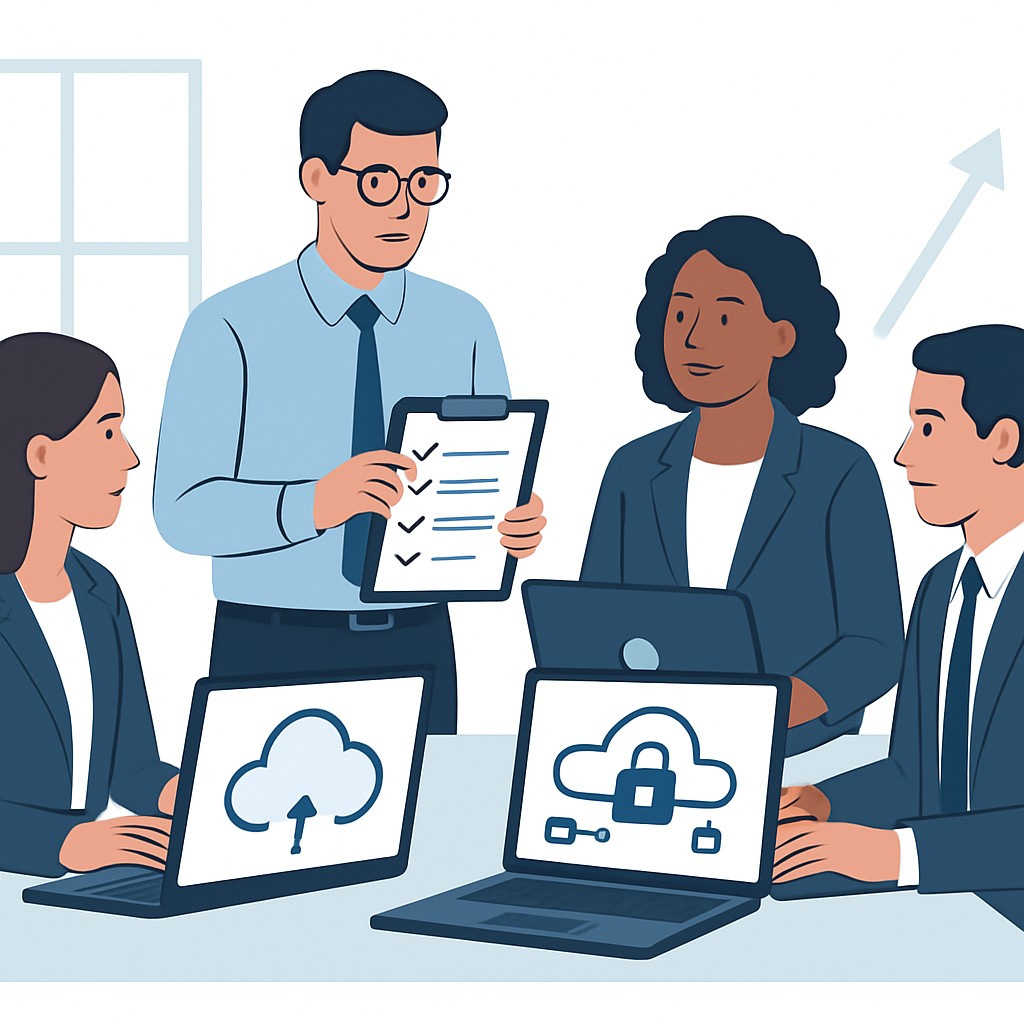

Introduction to SOC 2 and Its Importance for Engineering Teams
What SOC 2 Entails
SOC 2 is a security framework designed for service organizations handling customer data.
It focuses on five key trust service criteria: security, availability, processing integrity, confidentiality, and privacy.
Organizations use SOC 2 to demonstrate their commitment to protecting sensitive information.
Importance of Engineering Teams for SOC 2 Compliance
Engineering teams build and maintain systems that directly impact SOC 2 compliance.
They implement controls that safeguard data throughout the software development lifecycle.
Moreover, engineers enhance system reliability and monitor vulnerabilities proactively.
Benefits of Achieving SOC 2 Readiness
Achieving SOC 2 readiness improves customer trust and confidence.
This readiness also helps companies like Meridian Financial Solutions meet industry standards.
It further reduces the risk of costly data breaches and security incidents.
Additionally, SOC 2 readiness streamlines audits and reduces operational disruptions.
Core Practices for Engineering Teams to Prioritize
Engineering teams should prioritize secure coding, access control, and continuous monitoring.
These practices ensure compliance aligns with organizational risk management strategies.
Furthermore, collaboration between engineers and compliance officers strengthens overall security posture.
Key SOC 2 Trust Service Criteria Relevant to Engineering Practices
Security
Security is the foundation of SOC 2 compliance for engineering teams.
Companies must protect systems against unauthorized access and potential breaches.
Engineering practices involve implementing strong access controls and monitoring tools.
Teams deploy firewalls and intrusion detection systems to enhance security.
Regular vulnerability assessments identify and fix security weaknesses promptly.
Availability
Availability ensures systems operate reliably and as expected without interruption.
Engineers design infrastructure that supports uptime and fault tolerance.
They use redundancy and failover strategies to minimize downtime risks.
Continuous monitoring helps detect performance issues early.
Backup processes and disaster recovery plans are essential parts of availability.
Processing Integrity
Processing integrity guarantees system processing is accurate, complete, and timely.
Engineering teams automate validation checks to prevent data corruption or errors.
They implement logging mechanisms to track system operations thoroughly.
Developers apply testing standards to ensure system functionality remains sound.
Effective change management processes reduce the risk of introducing defects.
Confidentiality
Confidentiality protects sensitive information from unauthorized disclosure.
Engineers enforce encryption both at rest and during data transmission.
Access is limited based on roles to control who can view confidential data.
Teams audit data access to detect any unusual or unauthorized behavior.
Training developers on secure coding practices helps prevent data leaks.
Privacy
Privacy safeguards personal information collected by systems in compliance with policies.
Engineering teams integrate privacy controls aligned with regulations and standards.
They anonymize or pseudonymize data wherever feasible to reduce risks.
Data retention and deletion policies are enforced through automation and regular reviews.
Cross-functional collaboration ensures privacy requirements meet both legal and technical needs.
Establishing Secure Software Development Lifecycles for SOC 2 Compliance
Defining Security-Focused SDLC Processes
Developing secure applications begins with a well-structured Software Development Lifecycle.
Companies like NexaTech Solutions emphasize integrating security at every development stage.
Build The Software Your Business Needs To Grow
The next stage of your business will need better systems, smarter automation, and stronger digital tools. We help businesses turn ideas into websites, apps, and software platforms built for growth, revenue, and long-term scale.
Build For GrowthTeams must identify security requirements alongside functional needs first.
Design and architecture reviews assess potential security risks early in the process.
Development practices must align with secure coding standards and guidelines subsequently.
Strict version control and code review policies help maintain code integrity.
Testing phases include both functional and security-specific assessments to catch vulnerabilities.
Incorporating Threat Modeling and Risk Assessment
Threat modeling plays a critical role in anticipating security challenges effectively.
Engineers like Maya Chen at Apex Security use threat models to identify attack vectors.
This proactive approach helps prioritize risks and mitigate them efficiently.
Continuous risk assessments ensure evolving threats receive prompt attention.
Teams adapt development strategies to changing security landscapes as a result.
Implementing Secure Coding Best Practices
Secure coding prevents common vulnerabilities such as injection flaws effectively.
Developers at TitanSoft participate regularly in training sessions to stay current.
Important practices include input validation, output encoding, and proper error handling.
Tools like static application security testing automatically scan codebases efficiently.
These tools highlight security weaknesses before deployment to support developers.
Ensuring Comprehensive Testing and Validation
Testing must extend beyond functionality to thoroughly cover security requirements.
Automated security testing tools such as dynamic application security testing verify runtime behavior.
Penetration testing by external experts simulates real-world attacks realistically.
Integrating CI/CD pipelines streamlines consistent testing across development cycles.
Development teams led by Carlos Mendoza utilize these methods to enhance resilience.
Documenting and Monitoring SDLC Compliance
Proper documentation supports transparency and audit readiness during SOC 2 engagements.
Recording SDLC processes, decisions, and exceptions demonstrates control effectiveness clearly.
Monitoring tools track compliance with security policies throughout development cycles.
Project managers like Emma Fitzgerald ensure all artifacts satisfy SOC 2 evidence requirements.
Regular internal audits validate ongoing adherence to established security controls.
Fostering a Security-First Culture in Engineering Teams
Leadership promotes security awareness actively within engineering groups.
Training sessions, security champions, and reward programs enhance focus on secure development.
Teams at Orion Cyberguard demonstrate improved compliance by embracing these initiatives.
This engagement reduces human error and supports continuous improvement efforts.
Discover More: Email Deliverability: Getting Into the Inbox Reliably
Implementing Access Controls and Identity Management in Engineering
Establishing Robust Access Policies
Access control begins with defining clear policies based on roles.
Engineering teams at NexaCloud design policies tailored to job functions.
These policies restrict unauthorized access to sensitive systems.
Consequently, this reduces the risk of data breaches significantly.
Regularly reviewing access policies ensures they stay relevant and secure.
Role-Based Access Control
RBAC assigns permissions based on employee roles effectively.
The development team at VectorSoft uses RBAC to limit system privileges.
This method simplifies user management and improves security posture.
Additionally, RBAC allows quick revocation of access during personnel changes.
Therefore, enforcing RBAC supports SOC 2 compliance requirements efficiently.
Build The Software Your Business Needs To Grow
The next stage of your business will need better systems, smarter automation, and stronger digital tools. We help businesses turn ideas into websites, apps, and software platforms built for growth, revenue, and long-term scale.
Build For GrowthImplementing Multi-Factor Authentication
MFA adds an additional layer of security beyond passwords.
At LuminaTech, engineers integrate MFA to secure critical systems.
This approach prevents unauthorized access even if credentials are compromised.
Modern MFA techniques include biometrics, hardware tokens, and one-time passcodes.
Moreover, MFA aligns with industry best practices and compliance standards.
Managing the Identity Lifecycle
Managing the identity lifecycle covers onboarding, updates, and offboarding.
SecureSys Inc. automates identity lifecycle processes to reduce human errors.
This automation guarantees timely permission adjustments when employees change roles.
It also ensures immediate deactivation of accounts after departures.
Hence, comprehensive identity management maintains the integrity of access controls.
Auditing and Monitoring Access Activities
Continuous auditing tracks access events and identifies anomalies promptly.
Engineers at PrismData implement logging systems to monitor user activities.
These logs are reviewed regularly to detect unauthorized attempts.
Alerts trigger when suspicious behaviors arise, enabling fast incident response.
Such monitoring supports ongoing compliance and enhances system security.
Integrating Access Controls with Engineering Workflows
Embedding access controls within development pipelines maintains secure environments.
At Orion Solutions, teams use automated checks to enforce access policies.
This integration minimizes manual intervention and speeds up secure deployments.
Development tools also log access data, aiding audits and compliance tracking.
Therefore, seamless integration strengthens overall security culture in engineering.
Gain More Insights: Agile for Non-Technical Founders: What It Really Means
Change Management Processes to Support SOC 2 Readiness
Establishing a Controlled Change Environment
Maintaining a controlled change environment is critical for SOC 2 readiness.
Effective change management minimizes risks associated with system and process updates.
Therefore, companies like BlueWave Technologies implement formal change request procedures.
This ensures every change undergoes proper documentation and review.
By doing so, Meridian Systems reduces unauthorized or unplanned modifications.
Implementing Formal Approval Workflows
Formal approval workflows help maintain accountability during change activities.
At Nimbus Cloud Services, change requests require approval from relevant stakeholders.
Typically, this involves input from engineering leads, security officers, and compliance managers.
Consequently, this layered review ensures that changes align with security policies.
Moreover, it prevents changes that could compromise system integrity or data confidentiality.
Ensuring Thorough Testing and Validation
Comprehensive testing is essential before deploying any change to production.
For example, SoftPath Interactive mandates that developers run unit and integration tests.
Additionally, quality assurance teams perform regression testing to catch unforeseen issues.
Thus, the organization assures change stability while preserving system availability.
This practice reduces incidents that might trigger audit findings during SOC 2 assessments.
Maintaining Comprehensive Change Documentation
Detailed documentation of every change supports SOC 2 audit requirements.
At ClearStream Media, all change tickets include descriptions, approvals, test results, and deployment notes.
Furthermore, documentation helps in tracing the change history for troubleshooting or compliance reviews.
Therefore, maintaining an audit trail demonstrates transparency and process adherence.
Build The Software Your Business Needs To Grow
The next stage of your business will need better systems, smarter automation, and stronger digital tools. We help businesses turn ideas into websites, apps, and software platforms built for growth, revenue, and long-term scale.
Build For GrowthIt also facilitates continuous improvement by analyzing past change impacts and outcomes.
Monitoring and Reviewing Changes Continually
Continuous monitoring enables early detection of issues arising from recent changes.
CloudBridge Solutions uses automated tools to track change-related incidents and performance metrics.
Regular change reviews allow teams to reassess procedures and implement necessary adjustments.
Consequently, these activities improve overall change management maturity and SOC 2 readiness.
Encouraging Cross-Team Collaboration
Successful change management requires active collaboration between engineering, security, and operations.
At Vertex Innovations, cross-functional teams hold weekly change review meetings.
This openness enhances communication and ensures alignment across departments.
Additionally, it fosters a culture where compliance and security are integral to engineering practices.
Ultimately, collaborative environments create stronger safeguards against change-related risks.
Explore Further: Scaling to 1M Users: Patterns That Actually Hold Up
Monitoring Practices for Compliance
Establishing Continuous Monitoring Systems
Continuous monitoring detects anomalies in real-time.
Companies like NexaWare implement automated alerts to flag suspicious activities.
Moreover, regular reviews help maintain data integrity over time.
Defining Key Performance Indicators (KPIs)
Monitoring KPIs ensures system performance aligns with security standards.
For example, uptime, error rates, and access frequency are common KPIs.
Security teams track these metrics to identify potential compliance gaps quickly.
Utilizing Centralized Dashboards
Central dashboards provide a clear view of system health and incidents.
Tech firm CirrusSoft uses dashboards that integrate logs from multiple sources.
Consequently, this comprehensive visibility reduces response times during events.
Logging Practices That Support Security
Implementing Detailed Log Generation
Generating detailed logs captures user actions and system changes accurately.
Alpha Dynamics records login attempts, data access, and configuration updates automatically.
This granularity facilitates thorough audits and forensic analysis.
Securing Log Storage and Retention
Logs should be stored securely to prevent unauthorized access.
InnoSys Technologies employs encrypted storage solutions with strict access controls.
Additionally, retention policies comply with regulatory requirements and internal rules.
Regular Log Review and Analysis
Scheduled log reviews help uncover trends and detect unusual activity.
Security analyst Maria Chen emphasizes the importance of periodic log audits.
By doing so, companies identify risks before breaches occur.
Incident Response Practices to Ensure Compliance
Developing a Clear Incident Response Plan
A documented response plan guides teams during security incidents.
SecureNet Solutions crafts detailed protocols covering identification, containment, and recovery.
Furthermore, defining roles minimizes confusion under pressure.
Training and Simulating Incident Scenarios
Regular exercises prepare staff to respond effectively to threats.
Cybersecurity lead Daniel Morales conducts quarterly simulations for his team.
This practice enhances coordination and uncovers potential weaknesses.
Post-Incident Analysis and Reporting
After resolving incidents, thorough analysis helps prevent recurrence.
ZentraInfo compiles incident reports to improve future defense mechanisms.
Moreover, transparent reporting supports compliance audits and stakeholder confidence.
Delve into the Subject: High Availability 101: Uptime Without Over-Engineering

Data Encryption and Protection Techniques in Engineering Environments
Importance of Data Encryption
Data encryption protects sensitive information from unauthorized access.
Build The Software Your Business Needs To Grow
The next stage of your business will need better systems, smarter automation, and stronger digital tools. We help businesses turn ideas into websites, apps, and software platforms built for growth, revenue, and long-term scale.
Build For GrowthEngineering teams must prioritize encryption to secure client and company data.
Moreover, encryption helps meet SOC 2 compliance requirements.
Without robust encryption, data breaches can cause legal and financial consequences.
Types of Encryption Methods
Symmetric encryption uses a single key for both encryption and decryption.
This method is efficient but requires secure key management.
Asymmetric encryption uses a public and private key pair for data protection.
It improves security during key exchange but demands more computational resources.
Hybrid encryption combines both symmetric and asymmetric methods for optimal performance.
Encryption at Rest
Protecting data stored on disks is critical in engineering environments.
Disk-level encryption secures entire storage volumes from physical theft or loss.
File-level encryption allows selective protection of specific files or databases.
Furthermore, cloud platforms like StellarDataCloud offer built-in encryption at rest features.
Encryption in Transit
Encrypting data while it moves across networks prevents interception.
Transport Layer Security (TLS) is a widely adopted protocol for secure communication.
Engineering teams must enforce TLS for all APIs and web traffic.
Virtual Private Networks (VPNs) add another layer of security for remote access.
Implementing Key Management Best Practices
Effective encryption depends on strong key management procedures.
Teams should use hardware security modules (HSMs) or trusted key vaults.
Regular key rotation limits the impact of potential key compromise.
Access to encryption keys must be restricted based on roles.
Finally, logging and auditing key usage supports compliance monitoring.
Data Masking and Tokenization Techniques
Data masking hides sensitive information while keeping data format intact.
It helps engineers test systems without exposing real data.
Tokenization replaces sensitive data with surrogate values for secure processing.
These techniques reduce risk during development and testing phases.
Companies like RelyonTech integrate tokenization into their data workflows effectively.
Integrating Encryption into Development Workflows
Automating encryption processes reduces human error in engineering teams.
CI/CD pipelines should include steps to encrypt sensitive artifacts.
Developers must use secure libraries vetted by security experts.
Additionally, secure coding practices prevent common vulnerabilities.
Training sessions by firms such as Northgate Security improve team awareness.
Ensuring Vendor and Third-Party Risk Management in Engineering Operations
Establishing Clear Vendor Assessment Criteria
Engineering teams must define rigorous criteria to assess vendors effectively.
This process includes evaluating security controls, compliance certifications, and operational practices.
Risk factors should consider data sensitivity and service criticality as well.
Teams should involve security experts early to align assessments with SOC 2 requirements.
Using standardized questionnaires streamlines vendor evaluations and ensures consistency across teams.
Conducting Thorough Due Diligence
Due diligence helps verify that vendors meet organizational security expectations.
Teams should obtain and review SOC 2 reports, penetration testing results, and audit findings.
Contract terms must clearly define responsibilities related to data protection and incident response.
Engineering managers like Emily Reyes recommend periodic re-assessments to capture evolving risks.
Build The Software Your Business Needs To Grow
The next stage of your business will need better systems, smarter automation, and stronger digital tools. We help businesses turn ideas into websites, apps, and software platforms built for growth, revenue, and long-term scale.
Build For GrowthFurthermore, continuous monitoring tools provide real-time insights into vendor activities.
Implementing Effective Access Controls
Grant vendors only the necessary access levels to minimize exposure.
Role-based access control enforces the principle of least privilege efficiently.
Teams should audit vendor access logs regularly to detect any unusual behavior.
Integration with identity management systems boosts control over third-party permissions.
Automated alerts can enhance rapid response to unauthorized actions.
Maintaining Clear Communication Channels
Effective communication between engineering and vendors ensures quick resolution of security issues.
Designated points of contact improve accountability and streamline information flow.
Regular security reviews or meetings keep all parties aligned on compliance updates.
For example, TechNova Inc. schedules quarterly vendor security meetings to assess risks collaboratively.
Building strong relationships fosters transparency and mutual commitment to security goals.
Continuous Monitoring and Incident Response Integration
Engineering teams should integrate vendor monitoring into overall security operations.
SIEM systems help correlate vendor-related events with internal alerts efficiently.
Predefined incident response plans must include vendor involvement and communication steps.
Timely identification of vendor-related incidents minimizes potential damage effectively.
Regular drills involving vendors prepare both parties for efficient coordinated responses.
Documenting and Reviewing Vendor Risk Management Processes
Proper documentation supports audit readiness and accountability.
Teams should maintain records of assessments, approvals, and ongoing monitoring activities.
Periodic reviews ensure vendor risk management evolves alongside business needs.
CTO Aaron Mitchell urges incorporating feedback from engineering and legal teams.
This comprehensive approach safeguards engineering operations and enhances SOC 2 compliance efforts.
Continuous Training and Awareness Programs for Engineering Staff
Importance of Ongoing Education in SOC 2 Compliance
Continuous training helps engineering teams stay updated on SOC 2 requirements.
It ensures developers understand security, availability, and confidentiality concepts.
Moreover, regular education reduces the risk of compliance gaps.
Companies like Infratek prioritize sustained learning to maintain trust with clients.
Therefore, investing in ongoing training strengthens the overall control environment.
Designing Effective Training Programs
Engineering managers, such as Rachel Kim, structure training to suit technical teams.
They focus on relevant topics like access controls and secure coding practices.
Interactive workshops engage participants more deeply than passive lectures.
Additionally, scenario-based exercises reinforce real-world application of compliance standards.
Finally, assessments track knowledge retention and highlight areas for improvement.
Raising Awareness Through Communication Channels
Regular updates via newsletters keep the team informed on policy changes.
Slack channels dedicated to security foster quick discussions and knowledge sharing.
Monthly town halls hosted by security leads encourage questions and open dialogue.
These channels build a culture of security-minded thinking among engineers.
Furthermore, visible reminders, like posters or intranet banners, reinforce key practices.
Measuring Training Impact and Continuous Improvement
Survey feedback from engineers helps refine training content and methods.
Tracking compliance metrics reveals whether training translates into behavior change.
Leaders, such as CTO David Lin, use these insights to optimize ongoing programs.
Iterative improvements keep training relevant in evolving threat landscapes.
Build The Software Your Business Needs To Grow
The next stage of your business will need better systems, smarter automation, and stronger digital tools. We help businesses turn ideas into websites, apps, and software platforms built for growth, revenue, and long-term scale.
Build For GrowthUltimately, this approach ensures SOC 2 readiness remains a dynamic effort.
Encouraging Personal Accountability and Ownership
Empowering engineers to take responsibility increases ownership of compliance tasks.
Recognition programs reward employees who demonstrate strong security awareness.
Mentorship initiatives pair junior staff with security champions for guidance.
This environment motivates the team to proactively safeguard systems.
Consequently, accountability becomes embedded in the department’s daily routine.
Preparing for SOC 2 Audits Documentation and Evidence Collection
Establishing Clear Documentation Practices
Start by defining documentation standards tailored to your engineering teams.
Make sure all processes align with the Trust Services Criteria.
For example, the security team at Brightline Tech documents access control procedures thoroughly.
This clarity enables consistent evidence gathering and audit readiness.
Also, living documents keep information up to date and relevant.
Compiling Comprehensive Evidence for Controls
Gather records that demonstrate effective control implementation.
Examples include access logs, change management tickets, and incident reports.
At ClearSky Solutions, engineers regularly snapshot system configurations for audits.
Such proactive collection simplifies audit preparation significantly.
In addition, maintain version history to prove control evolution over time.
Collaborating Across Teams for Data Collection
Engage security, compliance, and engineering teams early in the process.
Each department holds crucial artifacts needed for audit evidence.
For instance, the DevOps group at ApexWare shares deployment logs weekly.
This collaboration helps uncover any documentation gaps swiftly.
Furthermore, it fosters a culture of shared responsibility towards compliance.
Utilizing Automated Tools for Efficient Tracking
Leverage software platforms that streamline evidence collection.
Tools like SecureTrack and AuditFlow reduce manual overhead effectively.
At HorizonApps, automation flags incomplete documentation promptly.
Consequently, teams can address issues before formal audits begin.
This approach improves accuracy and reduces the risk of missed controls.
Implementing Regular Review and Update Cycles
Schedule periodic audits of your internal documentation.
Doing so ensures files remain relevant and reflect real-world practices.
For example, Evergreen Analytics reviews encryption standards every quarter.
This habit strengthens readiness and reveals improvement areas.
Ultimately, well-maintained documentation builds auditor confidence.
Additional Resources
SOC 2 Compliance Checklist and Best Practices for an Audit
How much does it cost to obtain a SOC 2 Type 2 report? – Reddit
Before You Go…
Hey, thank you for reading this blog post to the end. I hope it was helpful. Let me tell you a little bit about Nicholas Idoko Technologies.
We help businesses and companies build an online presence by developing web, mobile, desktop, and blockchain applications.
We also help aspiring software developers and programmers learn the skills they need to have a successful career.
Take your first step to becoming a programming expert by joining our Learn To Code academy today!
Be sure to contact us if you need more information or have any questions! We are readily available.